 Sudden Valley
 Asphalt Shingle Roofing Built for Yew Street's Conditions
Homes along Yew Street sit in one of the shadier, more tree-covered pockets of Sudden Valley, and that combination of heavy canopy, moisture off Lake Whatcom, and the salt-tinged marine air that moves through Whatcom County creates a specific set of demands on a roof. An asphalt shingle roof that would hold up fine in a drier, more open part of the state can struggle here if it wasn't installed with this microclimate in mind. We've worked enough roofs in this neighborhood to know where the trouble spots usually show up first, and we build every install around avoiding them rather than reacting to them later.
This page focuses specifically on asphalt shingle roofing for Yew Street homes — what the climate does to a roof over time, what a correct installation actually involves, and why local experience matters more here than most homeowners assume.
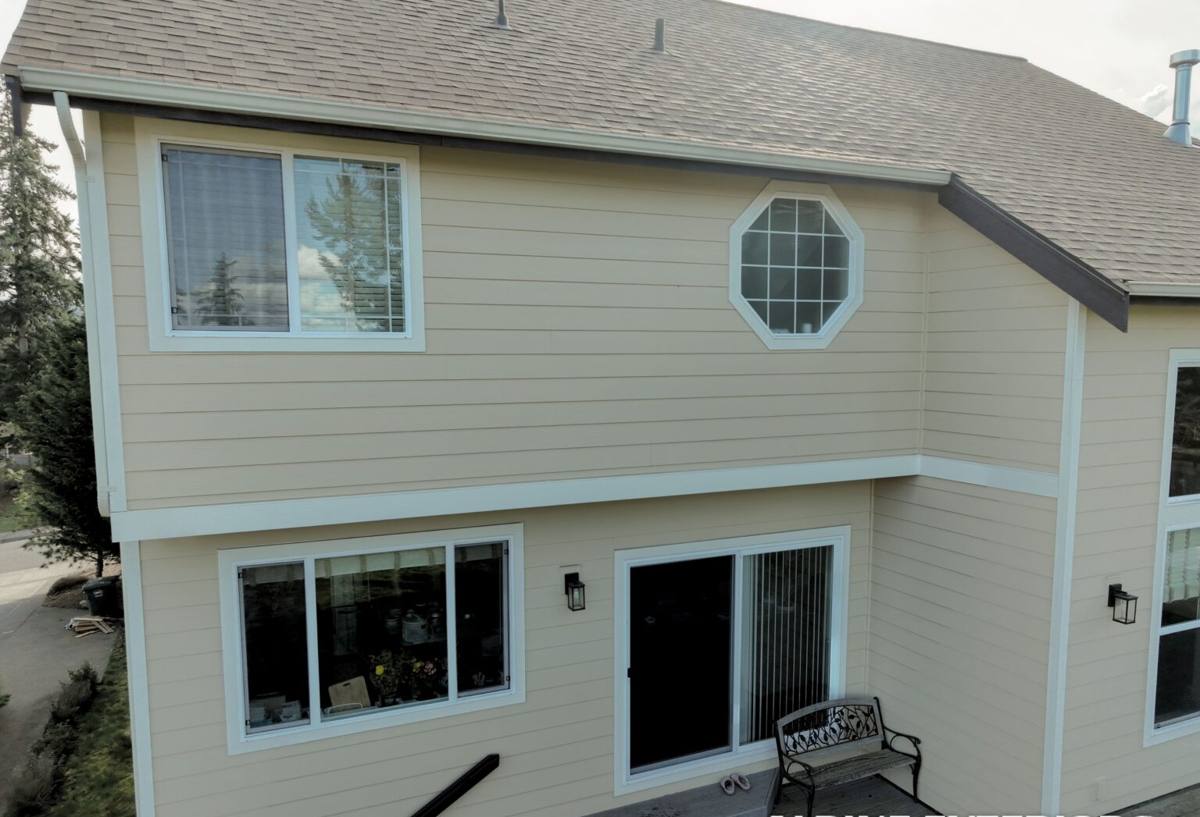
What Driving Rain, Shade, and Moss Actually Do to a Roof Here
Driving rain and wind-driven moisture
Sudden Valley gets its share of wind-driven rain, and on a roof, direction matters as much as volume. Rain that hits shingles at an angle instead of falling straight down works its way under tabs, into valleys, and along flashing edges in ways that a standard installation doesn't always account for. Over years, this is what leads to slow leaks at valleys, chimneys, and roof-to-wall transitions — long before the shingles themselves look worn out.
Shade and moss
Yew Street's tree cover keeps homes cooler in summer, but it also means roofs stay damp longer after every rain. Shingles that don't get a few hours of direct sun to dry out are exactly where moss and algae take hold fastest. Moss isn't just a cosmetic issue — its root structure lifts shingle edges and holds water against the roof deck, which accelerates granule loss and shortens the life of the roof.
Salt air and material fatigue
The marine-influenced air common across this part of Whatcom County adds a slow, steady wear factor to exposed metal — flashing, nail heads, gutter hardware — that inland roofs elsewhere in the state don't deal with as much. It's rarely dramatic, but it's cumulative, and it's one more reason material choice and detailing at every metal-to-shingle junction matters.
Signs a Yew Street Roof Needs Attention
- Moss growth concentrated on the north-facing or shaded slopes
- Granules collecting in gutters or at downspout outlets
- Shingle tabs that look cupped, curled, or lifted at the edges
- Dark streaking that doesn't wash off with normal rain
- Soft spots or discoloration on ceilings below valleys or chimneys
- Flashing that looks rusted, loose, or separated from the roof deck
Any one of these on its own isn't an emergency. Several at once, especially combined with a roof that's 15+ years old, usually means it's time to talk about replacement rather than another round of patching.
What a Correct Asphalt Shingle Installation Involves
A lot of roofing problems in this area don't come from bad shingles — they come from shortcuts in the layers you can't see once the job is done. For a climate like Sudden Valley's, the details below aren't optional upgrades; they're what keeps a roof dry through a normal Whatcom County winter.
Tear-off and deck inspection
We remove the old roofing down to the deck rather than installing over it. This lets us actually see the plywood or OSB underneath, replace any sections that are soft or delaminated from years of trapped moisture, and confirm the deck is fastened and flat before anything new goes down.
Ice and water shield at vulnerable points
Self-adhering waterproof membrane goes down first at eaves, valleys, and around roof penetrations — the exact spots where driving rain and moss-related water intrusion cause the most damage. This is the single detail that matters most for this specific climate.
Synthetic underlayment
Over the rest of the deck, synthetic underlayment gives a second line of defense against wind-driven rain that works past the shingles themselves, and it holds up better than old-style felt paper in a consistently damp environment.
Flashing at every transition
Chimneys, sidewalls, valleys, and roof-to-wall junctions all get new metal flashing, properly stepped and integrated with the underlayment — not just caulked over the old flashing. This is where most slow leaks start, and it's where corner-cutting shows up years later as interior damage.
Ventilation
Balanced intake and exhaust ventilation keeps the underside of the deck dry and temperature-stable, which matters in a shaded, moisture-heavy setting like Yew Street. Poor ventilation traps moisture in the attic, which works against the roof from below at the same time rain is working against it from above.
Shingle installation and nailing pattern
Shingles get nailed according to manufacturer specification — correct nail count, correct placement in the nailing zone, and correct exposure — because under-nailed shingles are one of the most common causes of wind and wind-driven-rain failures, and it's invisible from the ground once the job is finished.
Choosing the Right Shingle for This Neighborhood
Not every asphalt shingle product performs the same way under heavy shade, moss pressure, and driving rain. Here's how the common tiers compare for a Yew Street roof specifically:
| Shingle Type | Typical Lifespan | Moss Resistance | Best Fit For |
|---|---|---|---|
| 3-tab (standard) | 15–20 years | Standard — no built-in resistance | Budget-conscious re-roofs, less shaded slopes |
| Architectural / dimensional | 25–30 years | Standard unless algae-resistant granules specified | Most Yew Street homes — better wind rating and thickness |
| Algae-resistant (copper-infused granules) | 25–30 years | Higher — granules actively resist algae/moss growth | Heavily shaded lots and north-facing slopes |
| Impact-resistant (Class 4) | 30+ years, often with insurance discounts | Same as base product unless also algae-resistant | Homes wanting maximum durability and potential premium savings |
For most Yew Street properties, we lean toward architectural shingles with algae-resistant granules as the practical baseline — the added cost over standard 3-tab is modest, and it directly addresses the moss issue that's most common in this neighborhood's shaded lots.
Cost factors worth understanding upfront
| Factor | Why It Matters Here |
|---|---|
| Roof pitch and access | Steeper or tree-obstructed roofs take longer to tear off and stage material safely |
| Number of valleys and penetrations | Each one needs flashing and ice/water shield — more complexity, more labor |
| Deck condition | Moisture-damaged sheathing found during tear-off adds material cost but should never be skipped |
| Shingle tier selected | Algae-resistant and impact-resistant products cost more per square but reduce moss-related maintenance |
| Tree cover and cleanup | Heavily shaded lots often need extra debris cleanup and branch clearance before work starts |
How Our Process Works
- On-site inspection: we walk the roof (or use a lift/drone where pitch or access requires it), check the deck condition where visible, and look at ventilation, flashing, and moss patterns specific to your lot's sun exposure.
- Written estimate: a clear breakdown of material tier, scope, and price — no vague allowances, no pressure to decide on the spot.
- Scheduling: we plan around Sudden Valley's weather windows so tear-off and dry-in happen without leaving a deck exposed overnight.
- Tear-off and deck repair: full removal, deck inspection, and replacement of any damaged sheathing before anything new goes down.
- Install: ice and water shield, underlayment, flashing, ventilation, and shingles installed to manufacturer specification.
- Cleanup and walkthrough: full site cleanup including a magnetic sweep for nails, and a walkthrough so you understand what was done and what to expect going forward.
Ongoing Moss and Moisture Management
Even a well-installed roof benefits from a little seasonal attention in a shaded, moisture-heavy setting like this. A short annual checklist goes a long way:
- Clear gutters and downspouts before the fall rains set in, so water isn't backing up under the eaves
- Trim back overhanging branches to let more airflow and light reach shaded slopes
- Have moss brushed off gently (never pressure-washed) rather than left to grow into the shingle edges
- Ask about zinc or copper control strips at the ridge, which release trace metals that discourage moss regrowth on future rains
- Schedule a quick visual check every couple of years, especially after any major windstorm
Why Hiring a Crew That Already Works Yew Street Matters
A roofing crew unfamiliar with this specific stretch of Sudden Valley will treat every job the same way they would anywhere else in Whatcom County. A crew that already works this neighborhood knows which lots hold shade the longest, which slopes tend to collect moss fastest, and how the local combination of driving rain and lake-adjacent humidity behaves differently than it does even a few miles away in more open terrain. That familiarity shows up in small decisions — where extra ice and water shield gets added, how ventilation gets balanced, which flashing details get reinforced — that a generic approach would miss.
It also matters for the practical side of the job: knowing typical lot access, tree clearance needs, and the realistic weather windows for tear-off in this specific area, so your roof isn't left exposed longer than it needs to be.
Get a Straightforward Estimate
If you're seeing moss buildup, granule loss, or you're just not sure how much life is left in your Yew Street roof, we're happy to take a look. There's no pressure and no obligation — just a straight answer about what your roof needs and what it would cost to do right. Use the form below to request a free estimate.