 Sudden Valley
 Exterior Work in Geneva: A Different Set of Problems Than Most Contractors Plan For
Geneva homes in the Sudden Valley area deal with a combination of weather that doesn't let up for long stretches of the year. Salt-laden air moves through the region, wind-driven rain finds its way into every gap and seam a house offers, and a long, damp moss season settles into anything that stays shaded or shielded from direct sun. None of these are dramatic, one-time events. They're slow, cumulative conditions that work on a home's exterior year after year, and they punish shortcuts in materials and installation that might get away with it in a drier climate.
We've built our approach around that reality. A siding, roofing, window, or deck job that looks fine going in but wasn't built for Whatcom County's specific mix of moisture and salt exposure tends to show its weaknesses within a few years, not a few decades. That's the standard we hold every project to.
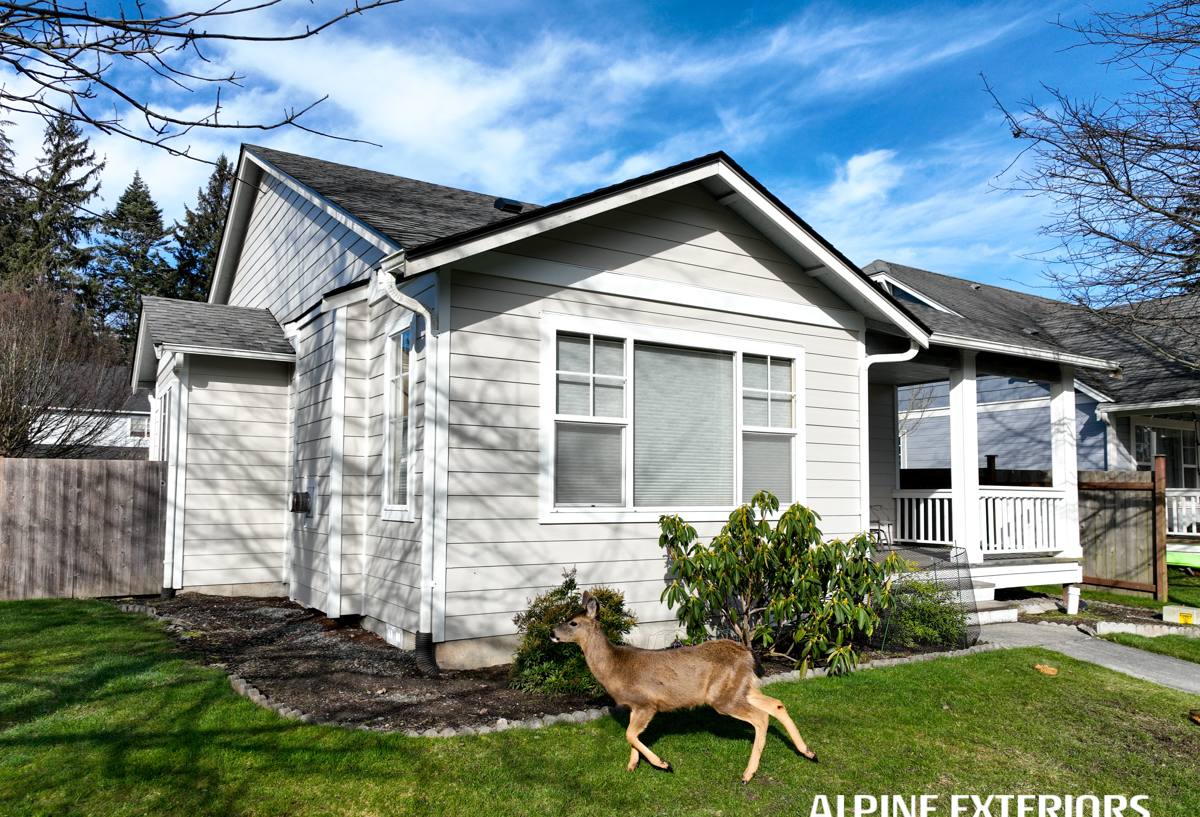
What Salt Air Actually Does to a Home's Exterior
Homes near larger bodies of water in this part of Washington get low-level salt exposure carried on the wind, even without being directly on saltwater. Over time, that exposure accelerates corrosion on fasteners, flashing, and any metal components on the exterior. It also interacts with paint and coatings, breaking down finishes faster than inland homes typically experience.
Where This Shows Up First
- Fasteners and flashing that weren't rated for corrosion resistance, showing rust streaks within a few seasons
- Paint and caulking failing early around windows, doors, and trim joints
- Faded or chalking finishes on siding that wasn't factory-coated for UV and moisture stability
This is one of the reasons material selection matters more here than in a lot of markets. Corrosion-resistant fasteners, properly detailed flashing, and a factory finish that's engineered to hold up under these conditions aren't upgrades — they're the baseline for doing the work correctly in Geneva.
Driving Rain and the Building Envelope
Wind-driven rain doesn't just fall on a house — it gets pushed sideways, up under laps, and into any gap in the water-resistive barrier. A siding or window installation that relies on caulk alone to keep water out, instead of proper flashing, drainage planes, and lap sequencing, will eventually let moisture behind the cladding. Once that happens, the damage is often invisible from the outside until it's serious: rotted sheathing, mold growth, or damaged framing discovered during a later renovation or inspection.
Getting the Details Right
Correct installation in a driving-rain climate means:
- Proper weather-resistive barrier installation with all seams and penetrations sealed
- Flashing at every window, door, and horizontal trim transition, installed to shed water outward and downward
- Siding laps and butt joints sequenced so water is directed away from the wall assembly, not trapped against it
- Adequate rainscreen or drainage gap behind the cladding so any incidental moisture can drain and dry
None of this is visible once the job is finished, which is exactly why it matters who does the work and how carefully they follow the manufacturer's installation instructions rather than cutting corners that won't show up until years later.
Moss Season and What It Means for Roofs and Shaded Siding
Whatcom County's long stretch of cool, damp weather each year gives moss plenty of time to establish itself on north-facing roof slopes, shaded siding, and anywhere tree cover keeps a surface from drying out between rain events. Moss holds moisture against the roofing or siding material longer than the material was designed to tolerate, and on some products it can work into seams and joints over time.
A few things reduce how much of a problem this becomes:
- Roofing materials and installation details chosen with moss and moisture resistance in mind, not just appearance
- Keeping gutters and valleys clear so water isn't sitting where moss thrives
- Trimming back tree cover where practical to let more sun and airflow reach shaded exterior surfaces
- Choosing siding that isn't sensitive to prolonged moisture contact, since moss and lichen growth on cladding is common in shaded areas around Sudden Valley
Why Our Siding Standard Is James Hardie — And Nothing Else
We install James Hardie fiber cement siding exclusively. We don't offer vinyl, LP SmartSide, Cemplank, Allura, primed spruce, or cedar, and that's a deliberate call based on what holds up in this climate, not a sales preference.
The Trade-Offs We Considered
Vinyl is inexpensive and low-maintenance, but it can warp under sustained temperature swings and doesn't offer the impact or fire resistance of fiber cement. Wood-based products like primed spruce or cedar look good initially but require diligent, ongoing maintenance — repainting, sealing, and moisture monitoring — to avoid rot in a climate that stays damp for months at a stretch. Engineered wood siding like LP SmartSide performs reasonably well when installed and maintained to spec, but it's still wood-based at its core, meaning moisture management and edge sealing are permanent maintenance obligations, not one-time installation tasks. Other fiber cement brands, like Cemplank or Allura, are legitimate competitors to Hardie on paper, but we standardized on one manufacturer so our crews install one system to one specification, every time, rather than juggling different fastening patterns, clearances, and finish requirements across brands.
What Hardie Gets Right for This Climate
James Hardie's fiber cement is non-combustible, holds up to moisture without the rot risk of wood-based products, and comes with a factory-applied ColorPlus finish engineered to resist fading and hold up under UV and coastal-air exposure better than field-applied paint. The HZ5 product line in particular is engineered for wetter, harsher climates, which fits Whatcom County's rain and moss exposure. It also carries a strong transferable warranty, which matters to homeowners who may sell the property before the siding's functional life is over.
Roofing, Windows, and Decks: The Rest of the Exterior Envelope
Siding is only part of what keeps water out of a Geneva home. We handle roofing, window, and deck work as well, because these systems all interact — a well-installed siding job can still let water in if flashing at the roofline or around windows isn't detailed correctly.
Roofing
Roof work in this area needs to account for both driving rain and moss season: proper underlayment, correctly lapped shingles or panels, and valley and flashing details that won't trap standing water or debris where moss can take hold.
Windows
Window replacement and installation is one of the most common places water intrusion starts if flashing and sealant details are rushed. We flash every window opening to shed water outward, not just caulk around the trim afterward.
Decks
Outdoor living space in Sudden Valley has to tolerate months of damp conditions each year. Ledger board flashing, proper fastener selection, and decking material choice all affect how well a deck resists rot and how much upkeep it demands over time.
Cost Factors for Exterior Projects in Geneva
Every project is different, but the factors below tend to have the biggest impact on scope and price for homes in this area.
| Factor | Why It Matters Here |
|---|---|
| Existing moisture damage | Driving rain and long damp seasons mean some homes need sheathing or framing repair discovered once old siding comes off |
| Home size and wall complexity | More corners, dormers, and trim details mean more flashing and labor, regardless of material |
| Roof condition and moss buildup | Heavy moss growth or gutter neglect can add cleanup and repair scope to a roofing project |
| Access and tree cover | Mature trees common around Sudden Valley properties can affect equipment access and add setup time |
| Material selection | Fiber cement, roofing systems, and window lines vary in upfront cost and long-term maintenance demand |
What to Expect From a Local Exterior Contractor
A crew that works regularly in Whatcom County has already run into the specific problems Geneva homes face — salt-air corrosion on fasteners, moss-related roof and gutter issues, and the flashing failures that show up after a few wet winters. That experience shows up in the details: which fasteners get specified, how flashing gets sequenced, and where extra attention goes on a shaded, north-facing wall versus a sun-exposed one.
Questions Worth Asking Any Contractor Before You Hire
- Are they using corrosion-resistant fasteners and flashing appropriate for this climate?
- Do they follow the manufacturer's written installation instructions for siding, roofing, and window products?
- Will they explain their approach to drainage planes and water management, not just the finished appearance?
- Can they speak specifically to how their materials and methods hold up to driving rain and moss growth?
- Do they carry proper licensing, insurance, and manufacturer certifications for the products they install?
Maintenance That Actually Extends the Life of Your Exterior
Good installation only gets you part of the way. A few habits make a real difference in how long siding, roofing, windows, and decks last in this climate.
- Clear gutters and valleys at least twice a year to reduce standing water and moss growth
- Rinse siding periodically in shaded areas prone to moss or algae buildup
- Inspect caulking and sealant around windows and trim annually, and address gaps before winter rains set in
- Trim back tree cover where it keeps exterior surfaces from drying out between storms
- Address small issues — a loose piece of trim, a cracked sealant joint — before the next wet season, not after
If you're weighing exterior options for a home in Geneva or elsewhere around Sudden Valley, we're happy to take a look and talk through what actually makes sense for your property. There's a free, no-pressure estimate form below — no obligation, just a straight answer about what your home needs.