 Sudden Valley
 Deck Repair Built for Barkley's Weather, Not a Generic Checklist
A deck in Barkley takes a different beating than a deck two hours inland. Between salt-laden air drifting off the water, driving rain that comes in sideways for months at a stretch, and a moss season that seems to start earlier every year, the wood, fasteners, and finishes on a Barkley deck are under constant low-grade attack. Most of the repair calls we run in this area aren't from one dramatic failure — they're from years of that slow chemistry finally catching up: soft boards, rusted-out fasteners, ledger boards holding more moisture than they should, and railings that flex more than they used to.
This page is specifically about deck repair for homes in and around Barkley. If you're dealing with a full deck replacement or you're not sure whether repair or rebuild makes sense, that's a conversation worth having before any work starts — but the diagnostic process below applies either way.
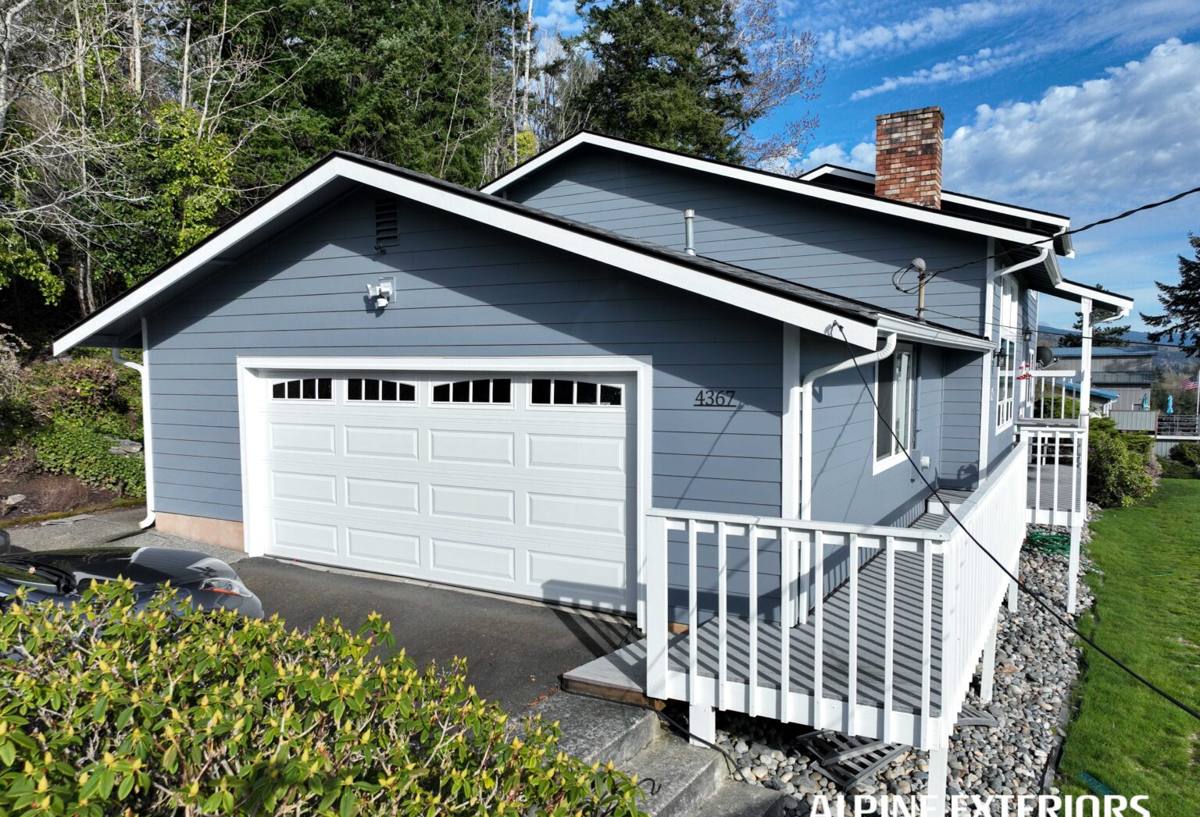
What Whatcom County Weather Actually Does to a Deck
Salt Air and Metal Fatigue
Salt in the air accelerates corrosion on anything metal — nails, screws, joist hangers, bolt connections at the ledger and railing posts. Corroded fasteners don't just look bad; they lose holding strength gradually and invisibly, which is exactly why a deck can feel "fine" right up until a board or a railing section doesn't.
Driving Rain and Trapped Moisture
Wind-driven rain doesn't just fall on a deck, it gets pushed sideways and up under boards, into end grain, and behind any trim or fascia that isn't properly flashed. Wood dries out fine when air can move around it. It rots when water gets in and has nowhere to go — which is the situation at ledger connections, stair stringers, and anywhere two pieces of wood meet tightly.
Moss, Algae, and the Surfaces They Sit On
Whatcom County's long, damp stretch of the year is ideal for moss and algae growth on horizontal wood and composite surfaces. Beyond looking bad, moss holds moisture against the deck surface far longer than open air would, and it makes boards slick and genuinely dangerous underfoot, especially on stairs.
How We Diagnose a Deck Before We Touch It
Repair work only holds up if it's based on an honest read of what's actually failing versus what just looks worn. Our process on every Barkley deck call:
- Structural check first. We test the ledger board attachment, joists, posts, and footings before looking at anything cosmetic. A deck can have a great-looking surface over a structural problem.
- Fastener inspection. We check joist hangers, structural screws, and post connections for corrosion or loosening, since these fail quietly and are the most safety-relevant part of the job.
- Moisture mapping. We probe boards, especially near the house, at butt joints, and under railings, to find soft or saturated wood that isn't visible from the surface.
- Surface and finish condition. Cracking, cupping, splintering, and moss/algae buildup are assessed last, because they're the easiest to see but not always the most urgent.
- Railing and stair safety. Code-relevant items like railing height, baluster spacing, and stair stringer condition get checked regardless of why you called.
What a Correct Deck Repair Involves
"Deck repair" covers a wide range of actual work, and the right scope depends entirely on what the diagnosis turns up. Common repair scopes we run in this area:
- Replacing individual rotted or cupped boards while matching board profile and fastening pattern so the repair doesn't stand out or create a new weak point
- Re-securing or rebuilding a ledger board connection, including correcting flashing so water sheds away from the house rather than into the rim joist
- Sistering or replacing compromised joists found during a structural check
- Swapping corroded fasteners and hangers for stainless or coated hardware rated for coastal/high-moisture exposure
- Rebuilding or reinforcing railing posts and connections that have loosened over time
- Repairing or replacing stair stringers and treads, which take disproportionate wear and moisture exposure
- Cleaning and treating moss/algae-affected surfaces as part of a repair, not as a substitute for fixing the underlying moisture issue
Repair vs. Replace: How We Think About It
| Situation | Usually Repair | Usually Replace |
|---|---|---|
| Structural framing (joists, ledger, posts) | Isolated rot or corrosion, framework otherwise sound | Widespread rot or an undersized/outdated original structure |
| Decking boards | Scattered soft or damaged boards | Most boards cupped, splintering, or soft across the deck |
| Railings | Loose posts or a section of damaged balusters | Railing system doesn't meet current safety spacing/height |
| Age of the deck | Under roughly 12-15 years, well-built originally | Older deck already showing multiple failure points |
| Fasteners/hardware | Corrosion limited to a few connections | Corrosion widespread throughout the structure |
These are general guidelines, not hard rules — the actual call comes from what we find during inspection, not from the deck's age alone.
Materials: What Holds Up Here vs. What Doesn't
For repairs, we match materials to what's already there whenever that's the sound choice, but we're upfront when the original material or hardware isn't well suited to this climate. Standard galvanized fasteners, for example, hold up fine in a lot of the country but corrode faster than they should in a salt-air, high-humidity environment like this one — so where we're replacing hardware, we default to stainless or a coating rated for coastal exposure, even if that costs a bit more up front. Similarly, if a deck's original wood species or grade wasn't well suited to constant moisture exposure, we'll say so and explain the trade-offs rather than just replacing like-for-like out of habit.
Our Process for Barkley Deck Repair Jobs
- Free on-site assessment. We walk the whole deck, not just the spot you called about, since problems in this climate rarely stay isolated.
- Written scope and estimate. You get a clear description of what's being repaired and why, before any work begins.
- Repair work scheduled around weather. Given how much of the year sees rain here, we plan repair timing to avoid working wet lumber into a deck, which just locks moisture problems back in.
- Cleanup and a final walkthrough. We check railings, stairs, and the repaired area together with you before calling the job done.
Cost Factors for Deck Repair
Every deck repair job is different, but the main things that move the price are consistent:
| Factor | Why It Matters |
|---|---|
| Extent of structural damage | Framing and ledger repairs take more labor and often involve temporary support of the deck |
| Number of boards affected | Isolated board swaps cost far less than resurfacing large sections |
| Access and deck height | Elevated decks or tight access add labor time and sometimes equipment |
| Hardware upgrades | Stainless or coated fasteners cost more than standard hardware but last longer here |
| Railing/stair code work | Bringing older railings or stairs up to current safety spacing can add scope |
We don't quote a number without seeing the deck — but we'll always give you a straight, itemized estimate so you know exactly what you're paying for and why.
A Pre-Winter Checklist for Barkley Deck Owners
Whether or not you're ready for a repair, a quick seasonal check can catch problems while they're still small:
- Press on decking boards near the house and at stair landings — soft spots mean trapped moisture
- Check railing posts by hand for any give or wobble
- Look under the deck at the ledger board connection for staining, dark streaks, or visible gaps
- Clear moss and debris from between boards before it holds water through the wet months
- Check fasteners and hardware for rust bleed-through on the surface
- Confirm stairs and treads feel solid, especially if they get shaded and stay damp
Why a Crew That Already Works in Barkley Makes a Difference
Deck repair isn't just carpentry — it's judgment about what a specific structure has been through, and that judgment gets sharper the more decks you've actually opened up in the same conditions. A crew that regularly works Barkley and the wider Whatcom County area has already seen how ledger connections fail in this rainfall pattern, which hardware actually holds up against salt air over years rather than months, and how fast moss takes over a shaded, north-facing deck versus one that gets sun. That local pattern-recognition means fewer surprises once we open things up, and a repair that's sized to match how this specific climate treats a deck — not a generic playbook written for a drier region.
If you've got a deck in Barkley that's showing soft boards, a wobbly railing, or just general wear, we're happy to come take an honest look. The estimate is free, there's no pressure, and you'll get a straight answer about whether you're looking at a repair or something bigger — just fill out the form below.