 Sudden Valley
 Board & Batten Siding in Cordata: A Look That Demands the Right Material
Board and batten has become a popular choice for homes in Cordata and across the greater Sudden Valley area — the vertical lines read as modern farmhouse, craftsman, or clean-contemporary depending on the trim details around it. It's a striking look. It's also a siding style that behaves very differently from standard horizontal lap siding once Whatcom County weather gets involved, and that difference matters more than most homeowners realize when they're comparing bids.
This page is specifically about board and batten siding for homes in and around Cordata — what the local climate does to it, what a correct installation actually requires, and why we install it in James Hardie fiber cement only.
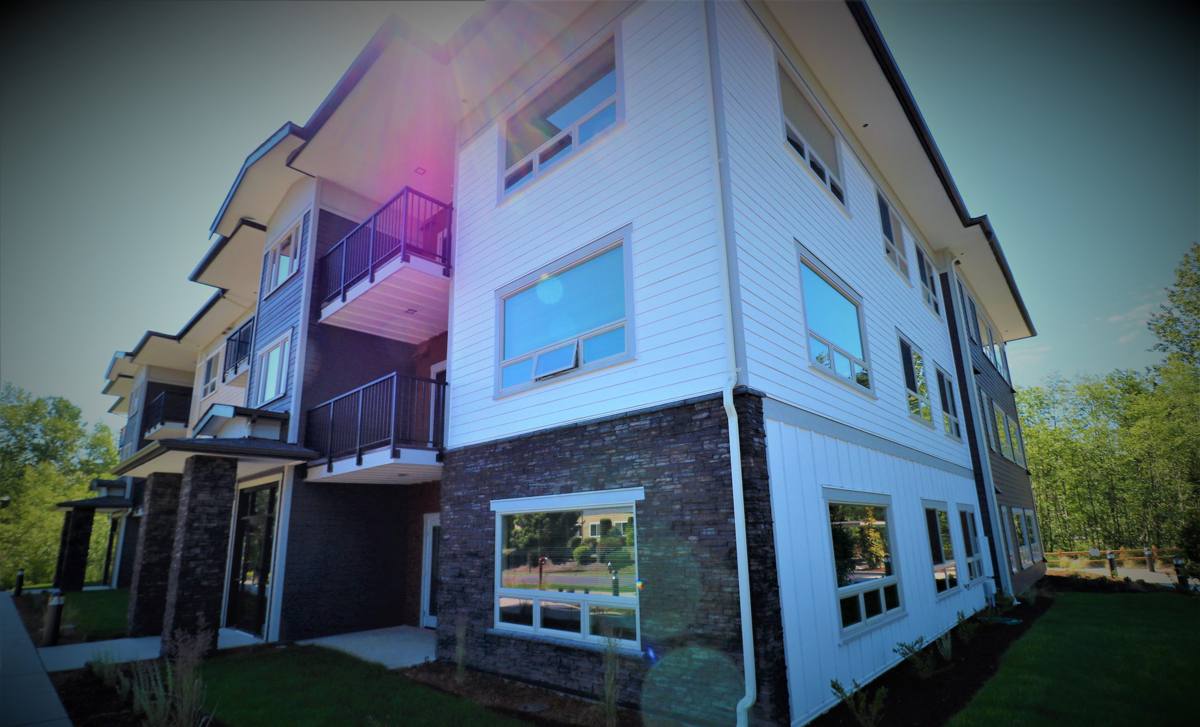
What Whatcom County Weather Does to Vertical Siding
Cordata and the broader Sudden Valley area deal with a combination that's tough on any exterior cladding: salt-laden air moving in off the water, long stretches of driving rain, and a moss season that can run from early fall through late spring. Vertical siding profiles interact with all three differently than horizontal lap does.
Why the Vertical Seams Are the Weak Point
On board and batten, water doesn't just sheet down and off the wall the way it does on lap siding — it runs down the face of each board and batten and tends to concentrate at the horizontal joints, the bottom terminations, and any spot where a batten meets trim. Salt air accelerates corrosion on fasteners and hardware at those joints, and the moss that thrives in our wet, shaded seasons finds a foothold anywhere moisture lingers instead of shedding. A material that swells, absorbs water, or isn't factory-sealed on every face is going to show problems at those seams years before the field of the wall does.
Why This Matters More in Cordata Specifically
Homes here often sit under mature tree cover, which means extended shade, slower drying times after rain, and more moss and algae pressure than an open, sun-exposed lot would see. Combined with the moisture coming off the water, that's a demanding environment for any board and batten installation — and it's exactly the kind of environment where installation shortcuts show up fastest.
Why Board & Batten Is Less Forgiving to Install Than Lap Siding
Board and batten isn't a single layer — it's a base board or panel with a batten fastened over each seam, which means every vertical joint is a place water can get behind the cladding if it's not detailed correctly. A few things make this style more installation-sensitive than lap siding:
- Fastening runs through two layers. Battens are typically fastened through the board or panel beneath them and into structural framing or blocking — get the fastener spacing or embedment wrong and you get pops, cracks, or a batten that works loose over a wind season.
- Rainscreen gap matters even more. Vertical siding channels water downward across a longer run, so a proper drainage gap behind the cladding isn't optional — without it, water that gets past the battens has nowhere to go but into the wall assembly.
- Batten spacing has to be engineered, not eyeballed. Reveal width, batten width, and expansion allowance all affect how the wall performs and how it looks — inconsistent spacing is both a cosmetic and a moisture-management problem.
- Every horizontal joint needs flashing. Board and batten runs are often broken up by window heads, belt lines, or story breaks, and each one needs proper flashing detail, not just caulk.
A rushed or under-detailed board and batten job can look fine at handoff and start failing within a couple of wet Whatcom County seasons — buckled boards, streaking below the joints, moss establishing at the reveals.
The James Hardie Board & Batten System
We install board and batten in James Hardie fiber cement exclusively — no vinyl, no LP SmartSide, no primed wood board and batten. Here's what the system actually consists of.
Panel and Batten Components
Hardie's vertical siding system pairs fiber cement panels (available in smooth or textured finishes) with Hardie Trim battens sized and engineered to be fastened together as a system, not improvised on site from separate trim stock. That matters for consistent reveal lines and for making sure the fastening schedule matches what the product is actually rated for.
ColorPlus Factory Finish
For a style built on clean, uniform vertical lines, a factory-applied finish is a real advantage. ColorPlus finish is baked on in a controlled environment, cures harder than field-applied paint, and resists the fading and moisture intrusion that shows up first at cut edges and joints — exactly the areas board and batten stresses most. It also means the boards and battens match each other consistently, without the subtle tone shifts you get when trim is painted separately from siding in the field.
Climate-Engineered HZ Formulation
Hardie manufactures its fiber cement in different HZ formulations matched to regional climate demands — moisture exposure, freeze-thaw, and humidity all factor in. For a marine, high-rainfall climate like ours, that engineering isn't a marketing detail, it's the difference between a product formulated for our conditions and one formulated for somewhere drier.
What a Correct Board & Batten Installation Involves
The material is only half the equation. A correct install on a Cordata home should include:
- A continuous weather-resistant barrier installed and lapped correctly behind the siding
- A furred rainscreen gap to let any moisture that gets past the cladding drain and dry
- Flashing at every horizontal transition — window heads, belt lines, story breaks — not just caulk
- A fastening schedule for both boards and battens that matches Hardie's published installation specs, including edge and field spacing
- Engineered, consistent batten spacing and reveal width across the whole elevation
- Caulking used only where Hardie specifies it — not as a substitute for proper flashing at every joint
- Correct clearance from grade, roofing, and decking so the bottom of the siding isn't sitting in standing water or splash-back
Skip any one of these and the wall can look complete while still being set up to fail early — which is a common story with board and batten more than with lap siding, simply because there are more seams to get right.
Our Process for Cordata Homes
When we quote board and batten for a home in Cordata or elsewhere around Sudden Valley, the process looks like this:
- Site walk and moisture check. We look at existing siding condition, sheathing access points, tree cover and shade patterns, and any spots already showing moss or water staining.
- Product and pattern selection. We match panel texture, batten spacing, and ColorPlus color to the home's architecture — board and batten reads very differently at a wide reveal versus a tight one, and we help homeowners land on a pattern that fits the house.
- Tear-off and sheathing inspection. Old siding comes off and we check the sheathing underneath before anything new goes up — this is where hidden moisture damage from a prior installation usually turns up.
- Rainscreen and weather barrier installation. This step doesn't get skipped to save time, regardless of what the old wall had.
- Board and batten installation to spec. Fastening schedule, flashing, and reveal spacing follow Hardie's installation requirements, not shortcuts.
- Final inspection and cleanup. We walk the finished elevations with the homeowner before calling the job done.
Cost Factors for Board & Batten Siding in Cordata
Board and batten pricing varies more than lap siding pricing because trim complexity and pattern choice have a bigger impact on labor. Rough factors that move the number:
| Factor | Why It Matters |
|---|---|
| Home size and wall height | More elevation area and taller walls mean more material, more scaffolding, and more labor hours |
| Old siding removal and sheathing repair | Tear-off complexity and any hidden moisture damage found underneath add time before new siding goes up |
| Batten spacing and pattern | Tighter reveals and more battens per elevation mean more fastening and trim work than a wider-spaced pattern |
| Trim and corner detailing | Window and door casing, corner boards, and story-break flashing all add labor beyond the flat field of siding |
| Color selection | Standard ColorPlus colors versus premium or custom options can shift material cost |
| Site access | Tree cover, terrain, and driveway/staging access around Sudden Valley properties can affect setup time |
We give homeowners a real, itemized number after seeing the house — not a phone estimate based on square footage alone.
Why Hiring a Crew That Already Works in Cordata Matters
A crew that regularly works Cordata and the surrounding Sudden Valley area already understands the moisture patterns specific to this pocket of Whatcom County — which elevations take the worst driving rain, where moss pressure is heaviest under tree cover, and how salt air affects fastener and hardware choices over time. That local pattern recognition shows up in the details: where extra flashing gets added even though it's not strictly required, which batten spacing holds up best on a shaded north wall, and how to sequence a tear-off around our wet season instead of leaving sheathing exposed longer than it should be.
It also means straightforward permitting and a crew that isn't guessing at Whatcom County requirements for the first time on your project.
Signs Your Existing Board & Batten Siding Is Already Failing
- Boards or battens that look wavy, cupped, or bowed rather than dead straight
- Moss or dark streaking concentrated at the seams and horizontal joints rather than spread evenly across the wall
- Soft or spongy spots at the base of battens or near the bottom of the wall
- Paint peeling or finish breaking down at cut edges and joints before the rest of the wall
- Fastener heads showing rust streaks or backing out of the batten face
- Gaps opening up at butt joints that weren't there when the siding was new
Any of these on a board and batten wall usually points back to a moisture-management or fastening issue from the original install, not just age.
If you're weighing board and batten for a home in Cordata or anywhere around Sudden Valley, we're glad to walk the exterior with you, talk through pattern and color options, and put together a straightforward, no-pressure estimate — just fill out the form below.