 Sudden Valley
 Board & Batten Siding in Geneva: Built for This Specific Property Type
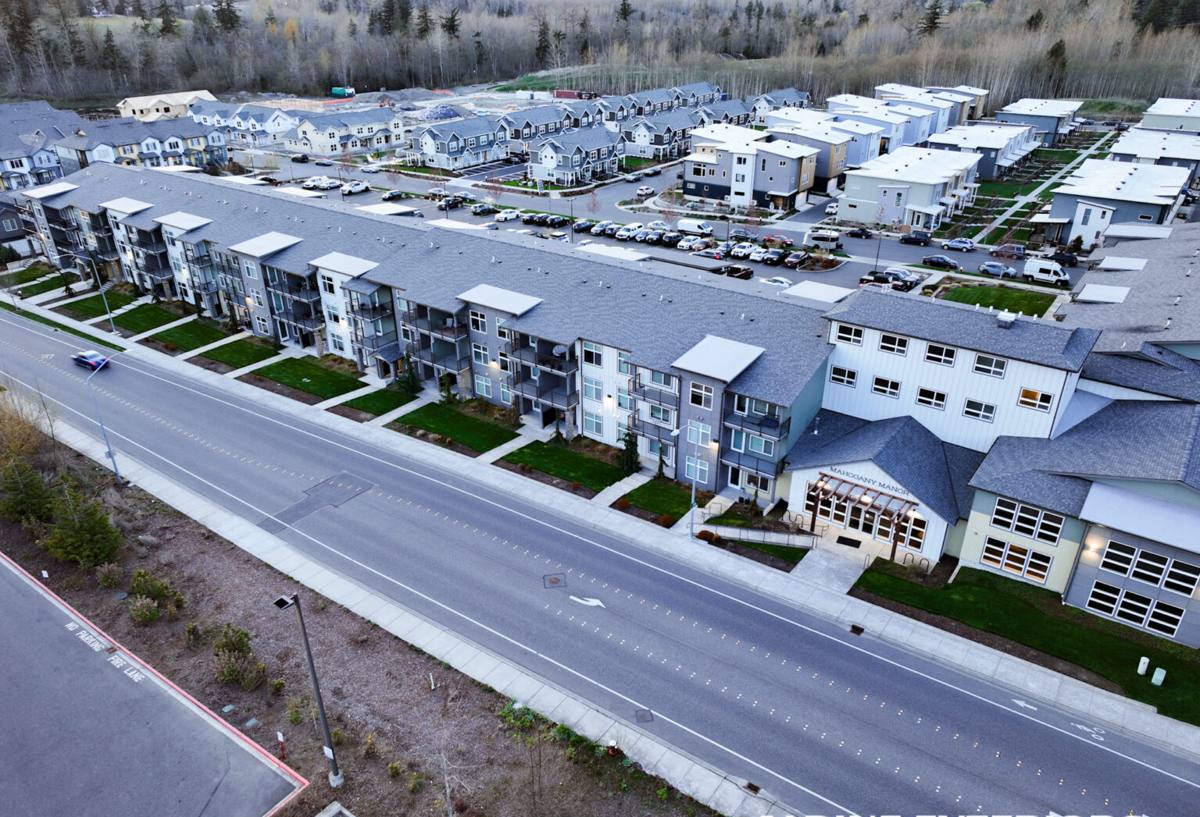
Geneva sits inside the Sudden Valley community on Lake Whatcom, and the homes here share a few things that matter a great deal when you're choosing and installing siding: heavy tree cover, shaded north and east elevations that stay damp for days after a storm, and a mix of steep, view-oriented lots where wind can funnel down the water and drive rain sideways into the walls. Board and batten siding — vertical panels with raised battens covering the seams — is a popular choice here because it fits the cabin-and-craftsman character a lot of Geneva homes were built with, and it reads as a step up from flat lap siding on a two-story elevation facing the lake. But board and batten is also less forgiving of a sloppy install than horizontal lap siding, because every vertical seam is a potential water path if it's not detailed correctly. This page is about what that means specifically for a Geneva home, not board and batten in general.
What Whatcom County's Climate Actually Does to This Siding Style
Moss and algae on shaded, low-airflow walls
Board and batten's vertical battens create small ledges and shadow lines that hold moisture longer than a smooth lap profile, especially on the shaded sides of a lot ringed by evergreens. Add Whatcom County's long wet season and you get walls that stay damp well into spring, which is exactly the condition moss and algae need to take hold. On wood-based siding, that moisture sits against the substrate for months at a time. On correctly installed fiber cement with a factory finish, it sheds instead of soaking in — but only if the installation gave the wall somewhere for that moisture to drain and dry.
Driving rain off the lake
Sudden Valley's exposure to weather rolling across Lake Whatcom means wind-driven rain hits some elevations at an angle, not just straight down. That matters for board and batten because the batten-to-board seam is a vertical joint running the full height of the wall — if it's caulked instead of properly lapped and flashed, driving rain will eventually find its way behind it.
Salt-tinged marine air
Whatcom County's proximity to the coast means the air carries a low, steady load of salt and moisture even well inland. Over years, that air quietly corrodes cheap or under-spec fasteners, trim nails, and exposed metal flashing. It's a slow problem, which is exactly why it gets ignored until siding starts failing at the fastener points.
What a Correct Board & Batten Install Actually Involves
A lot of what separates a board and batten job that lasts twenty-plus years from one that fails at year seven happens behind the boards, where a homeowner can't see it during the walk-through. Here's what we build into every install:
- A drainage plane (weather-resistant barrier, correctly lapped and taped) installed before any siding goes up, so any moisture that does get past the cladding has somewhere to go
- A rainscreen air gap — furring strips behind the boards — so the back side of the siding can dry out instead of sitting wet against the wall sheathing
- Stainless or hot-dip galvanized fasteners rated for the coastal-influenced air common to this area, not the cheaper fasteners that show rust streaks within a few years
- Batten spacing and fastening per the manufacturer's engineering, not "close enough" — this affects both appearance and how the panel handles seasonal movement
- Flashing at every window, door, and roofline intersection, done with metal and proper lap sequencing rather than covered over with a bead of caulk
- Factory-applied ColorPlus finish on the boards and battens, so the cut ends and any field touch-up are the only places relying on site-applied paint
Skip any one of these and the siding can still look right for a few years. The failures that show up later — soft spots at the base, streaking below battens, paint that won't hold near fastener heads — almost always trace back to one of these steps being shortcut.
Why We Install Only James Hardie Fiber Cement for This
Board and batten is offered in wood, engineered wood, vinyl, and fiber cement. We install James Hardie fiber cement exclusively, and for a moisture-heavy, moss-prone lakeside lot like the ones in Geneva, the reasoning is straightforward: fiber cement doesn't swell, rot, or feed fungal growth the way wood and engineered wood products can when they stay damp for extended periods. It's also non-combustible, which matters given how many Sudden Valley properties back up to trees. Hardie's HZ5 product line is engineered specifically for climates that see prolonged moisture exposure, and the ColorPlus factory finish holds color and resists the fading and peeling that site-applied paint eventually suffers on a shaded, damp wall. We won't install vinyl board and batten here because it doesn't hold up structurally to the temperature swings and impact this area sees, and we won't install primed wood or engineered wood board and batten because both require a maintenance commitment — recaulking, repainting, moisture monitoring — that most homeowners underestimate until the siding is already compromised.
Board & Batten vs. Lap Siding for a Geneva Lot
| Factor | Board & Batten | Horizontal Lap |
|---|---|---|
| Look on a shaded, wooded lot | Strong vertical lines read well against tree cover; common cabin/craftsman fit | Traditional, blends into most neighborhoods but less distinct |
| Moisture management complexity | Higher — every vertical seam needs correct lapping and flashing | Lower — horizontal overlap is a simpler, more forgiving water path |
| Moss/algae visibility | Shows on batten shadow lines first | Shows along board laps, usually lower on the wall |
| Best fit | Gable ends, entry features, full accent walls | Full-elevation coverage, budget-driven full re-sides |
Many Geneva projects we look at end up as a mix: board and batten on a gable or entry feature, lap siding on the broader wall planes. That's a legitimate design choice, not a compromise, and it's worth discussing during your estimate.
How We Approach a Geneva Project
Because we already work this community regularly, we walk into a Geneva estimate already familiar with the terrain: tight, tree-lined lots, driveways that limit staging space, and in some cases community design guidelines that Sudden Valley's HOA applies to exterior changes. That familiarity shortens the estimate-to-start timeline and avoids surprises mid-project. Our process on a board and batten job:
- On-site assessment of existing siding, moisture points, and any rot or soft sheathing found during removal
- Confirm color, batten spacing, and coverage plan (full re-side vs. accent application) against any applicable community guidelines
- Tear-off and sheathing inspection — we don't cover up a problem, we tell you what we find
- Weather-resistant barrier and rainscreen furring installed correctly, not skipped to save a day
- James Hardie board and batten installed to manufacturer fastening and clearance specs
- Final trim, caulking at appropriate joints only, and site cleanup
Signs Your Current Siding Is Already Behind
- Dark streaking or green growth concentrated below the battens or along the shaded elevation
- Soft or spongy siding near the base of the wall, especially close to grade or downspouts
- Paint that's peeling or chalking faster on this wall than the rest of the house
- Visible rust bleeding from fastener heads
- Gaps opening up at batten edges where caulk has failed
- A noticeable musty smell near an exterior wall from inside the house
Any one of these on its own isn't an emergency. Two or three together, especially on a wall that gets little direct sun, usually means moisture has been getting behind the siding for a while.
What to Ask Before You Hire
Whatcom County has a fair number of siding crews, and not all of them have handled a lake-adjacent, shaded-lot project like the ones common in Geneva. Before you sign anything, it's worth asking a contractor:
- Will you install a rainscreen gap, or just nail the siding straight to the weather barrier?
- What fastener material are you specifying, and is it rated for coastal-influenced air?
- Who handles the flashing at windows and rooflines — is it detailed in metal, or relying on caulk?
- Have you worked in Sudden Valley before, and are you familiar with the community's exterior guidelines?
- What's the manufacturer's transferable warranty, and what does correct installation require to keep it valid?
If a contractor can't answer these clearly, that's worth knowing before the tear-off starts, not after.
If you're weighing board and batten for a home in Geneva or elsewhere around Sudden Valley, we're happy to walk the property, look at what your walls are actually dealing with, and give you a straight answer on what it'll take to do it right. Reach out for a free, no-pressure estimate.