 Sudden Valley
 Siding Built for the Alger Stretch, Not Just the Coast
Alger sits in that in-between zone a lot of Whatcom and Skagit County homeowners know well: close enough to the water to catch salt-laden air off the Sound, wooded enough to stay shaded and damp most of the year, and rural enough that a siding problem can sit unnoticed for a season before anyone spots it. Homes out here don't fail the same way a subdivision house in a dry inland town does. The siding takes a slower, quieter beating from salt air, driving rain, and moss, and by the time it shows on the surface, the substrate underneath has often been dealing with it for years.
We install siding for homeowners in and around Sudden Valley, and Alger is part of that regular service area. This page is about one thing: what it actually takes to install siding correctly on an Alger home, given what the local climate does to a wall system over time.
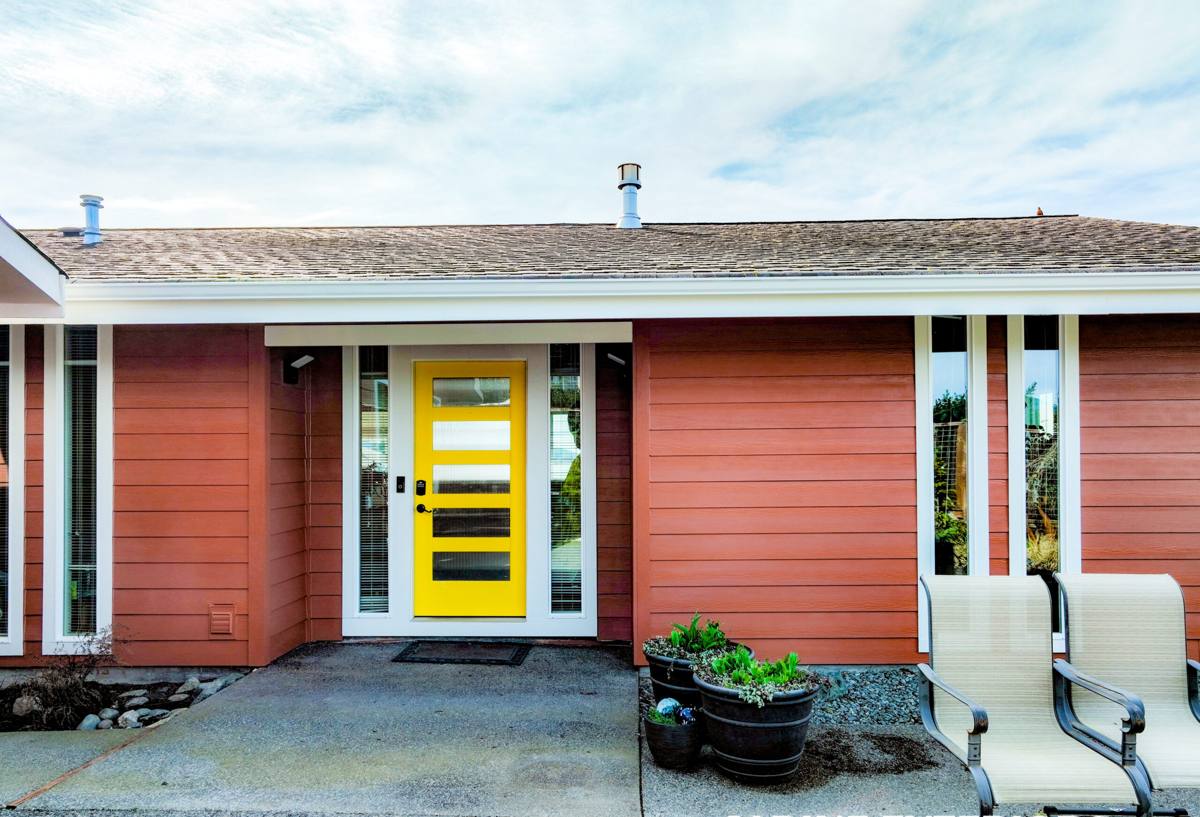
What the Local Climate Actually Does to Siding
Salt Air
Airborne salt doesn't just corrode metal — it's hygroscopic, meaning it pulls moisture out of the air and holds it against whatever surface it settles on. On a house, that means fasteners, flashing, and the siding material itself stay damp longer than they would inland. Cheaper coatings and untreated metal components degrade faster in this environment, and any gap in a protective finish becomes a starting point for corrosion or rot.
Driving Rain
This part of Washington doesn't just get rain — it gets rain pushed sideways by wind off the water, which behaves very differently against a wall than a straight vertical downpour. Driving rain finds horizontal laps, unsealed penetrations, and any spot where flashing was skipped or shortcut. A siding job that would hold up fine in a calmer climate can leak here within a couple of seasons if the water-management details weren't done right.
A Long Moss Season
Shade, moisture, and mild temperatures are exactly what moss wants, and Alger has all three for most of the year. Moss doesn't just sit on the surface — it holds water against the siding and, on north-facing and tree-shaded walls, keeps that surface damp far longer than it should stay. On paint-dependent or moisture-sensitive materials, that constant dampness accelerates swelling, cracking, and coating failure.
What Correct Installation Involves
None of these climate stresses are unusual to us — they're the baseline we design every installation around. The difference between siding that lasts and siding that fails early almost always comes down to details most homeowners never see once the job is finished.
- Weather-resistive barrier installed continuously, lapped correctly, with no gaps at seams or penetrations
- Flashing at every horizontal transition — window and door heads, trim boards, roof-to-wall intersections — so water is directed out, not behind the cladding
- Proper fastener type and placement, matched to the substrate and spaced per the manufacturer's installation manual, not "close enough"
- Correct clearances at grade, roofline, and deck ledgers so siding isn't sitting in standing water or trapped moisture
- Rainscreen or drainage gap where conditions call for it, giving incidental moisture a way to drain and the wall a way to dry
- Factory-finished panels installed with the manufacturer's specified caulking and touch-up process, so the finish isn't compromised at the cut edges
Skip any one of these and the siding might look fine for a year or two. In a climate that combines salt exposure, wind-driven rain, and constant shaded moisture, shortcuts show up faster than they would somewhere drier and calmer.
Why We Only Install James Hardie Fiber Cement
We made a decision a while back to standardize on one product line, and we don't deviate from it: James Hardie fiber cement siding, installed to manufacturer spec. That's not a marketing position — it's a practical one, built around exactly the conditions Alger homes deal with.
Fiber cement is non-combustible, dimensionally stable, and doesn't swell or rot the way wood-based and some engineered wood products can when they take on repeated moisture. Hardie's ColorPlus factory finish is baked on under controlled conditions rather than field-applied, which matters a great deal in a climate where paint has to fight salt air, UV, and constant damp shade to hold its color and seal. Hardie also engineers specific product lines (their HZ5 line, for example) for wetter, harsher coastal and Pacific Northwest conditions rather than shipping one generic product everywhere.
We don't install vinyl, LP SmartSide, primed wood, cedar, or other fiber cement brands. That's a deliberate limitation, not an oversight — every product has real trade-offs, and after years of installation and repair work in this climate, fiber cement done right has consistently held up the best against what salt air, driving rain, and moss actually do to a wall over 15, 20, or 30 years.
Comparing Siding Materials for Alger's Conditions
| Material | Behavior in Salt Air / Damp Shade | Maintenance Burden | Typical Lifespan Here |
|---|---|---|---|
| Vinyl | Can warp or become brittle with temperature swings; seams are a moisture entry point | Low, but limited repair options once damaged | 15–25 years, shorter with impact or fading |
| Primed wood / cedar | Absorbs moisture readily; moss and mildew take hold fast in shaded areas | High — repainting and caulk maintenance every few years | Highly variable, often 10–20 years without diligent upkeep |
| LP SmartSide (engineered wood) | Better than raw wood but still moisture-sensitive at cut edges and seams | Moderate — edge sealing and caulk checks matter | 20–30 years with strict maintenance |
| James Hardie fiber cement | Non-combustible, dimensionally stable, factory finish resists salt/UV fade | Low — periodic wash, no repainting cycle required | 30+ years, backed by transferable warranty |
Our Installation Process
- On-site assessment — we look at sun exposure, tree cover, drainage patterns, and existing moisture damage specific to the home's location
- Tear-off and substrate inspection — old siding comes off and we check sheathing for rot or hidden damage before anything new goes up
- Water-resistive barrier and flashing — installed per code and manufacturer spec at every window, door, and transition
- Hardie panel or lap installation — fastened, spaced, and finished according to James Hardie's published installation guide
- Trim, caulking, and touch-up — using Hardie-approved sealants and finish products so the warranty stays intact
- Final walkthrough — we go over the finished job with the homeowner before calling it done
Signs Alger Homeowners Should Watch For
Because the damage here tends to build slowly, it's worth knowing what early failure actually looks like rather than waiting for something obvious.
- Moss or dark streaking concentrated on shaded or north-facing walls
- Soft or spongy spots when you press on siding near the bottom courses or around windows
- Paint that's peeling or bubbling rather than just fading
- Visible gaps, cracks, or separation at seams and corner trim
- A musty smell or discoloration on interior walls that back up to exterior siding
Any one of these is worth a look before it turns into a sheathing or framing repair, which costs a lot more than a siding job on its own.
Why a Crew That Already Works This Area Matters
Siding installation isn't one-size-fits-all, even within a fairly small geographic radius. A crew that's used to installing on homes closer to town, with less tree cover and less salt exposure, isn't necessarily thinking about drainage gaps and flashing details the same way a home tucked into the trees near Alger requires. We work this stretch regularly — Sudden Valley out toward Alger and the surrounding rural pockets — and that means we're not guessing at how a given lot's sun exposure, shade, and moisture pattern should shape the installation. We've seen what happens when those details get skipped, and we build every job to avoid it.
What to Ask Before Hiring Any Siding Contractor Here
- Do they install to the manufacturer's written specification, or a generalized approach?
- Will they inspect and address sheathing damage before installing new siding over it?
- Do they detail flashing at every horizontal transition, not just windows?
- Is the warranty backed by the manufacturer and transferable if you sell the home?
- Can they explain why they chose the specific product line for your home's exposure?
If your Alger home's siding is showing moss, moisture damage, or just isn't holding up the way it should, we're happy to take a look and walk you through what correct installation would involve for your specific property. There's a free, no-pressure estimate form below — fill it out and we'll get back to you.