 Sudden Valley
 Siding Replacement for Happy Valley Homes
Happy Valley sits inside the broader Sudden Valley community in Whatcom County, and homes here face the same slow, steady pressure that wears down siding all across this part of Washington: long wet seasons, heavy tree cover in many yards, and air that carries moisture and salt inland from Bellingham Bay and the Puget Sound basin. None of that damage happens overnight. It shows up as soft trim boards, streaked paint, swollen panel edges, and moss lines that keep coming back no matter how many times you scrub them off. By the time those signs are visible, the siding underneath has usually been losing its fight with moisture for years.
This page is about one job done right in one area: replacing siding on a Happy Valley home with a system built for this climate, installed the way the manufacturer actually specifies, not the shortcut version. If you're weighing whether it's time, or comparing bids, the details below are what separate a replacement that lasts three decades from one that starts failing again in eight or ten years.
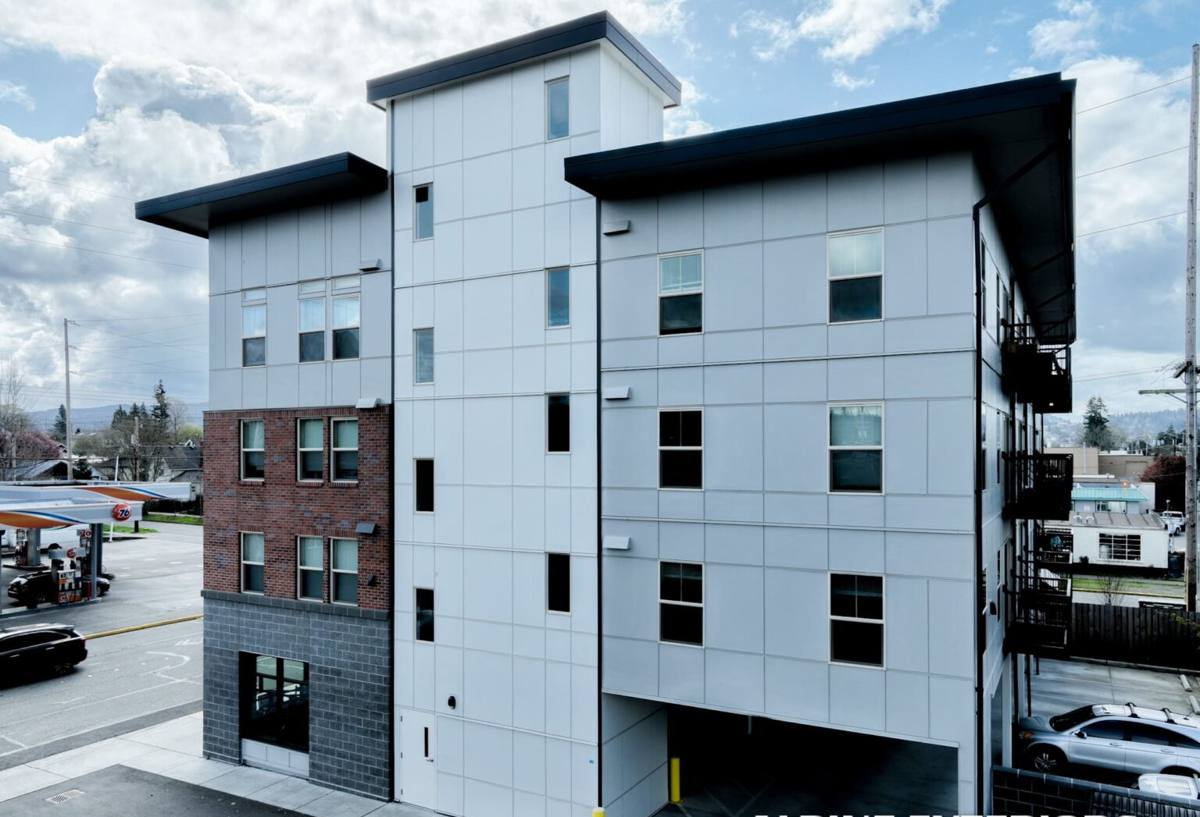
What Whatcom County's Climate Does to Siding
Three things drive nearly every siding problem we see in this area, and Happy Valley gets all three.
Salt Air
Proximity to the Sound and Bellingham Bay means the air here carries more salt than it would further inland. Salt is hygroscopic — it pulls moisture out of the air and holds it against whatever surface it lands on. On siding, that means paint finishes break down faster, fasteners corrode sooner, and any material that isn't dimensionally stable starts to swell and shrink unevenly at the seams.
Driving Rain
Whatcom County doesn't just get a lot of rain — it gets wind-driven rain that hits siding at an angle instead of running straight down. That matters because driving rain finds every gap in flashing, every under-caulked seam, and every panel that wasn't lapped correctly. A siding system that only manages water falling straight down will leak here.
A Long Moss Season
Between the moisture, the shade from mature trees common in this neighborhood, and the mild temperatures, moss and algae have a growing season that runs most of the year, not just a few weeks. Moss holds water against the siding surface far longer than open air would, which accelerates rot in wood-based products and stains paint finishes on anything porous.
Put together, these three conditions mean siding in Happy Valley works harder than siding in a drier, more sheltered part of the state. The material and the installation both have to account for that, not just the paint color.
Signs a Happy Valley Home Needs Siding Replacement
Repainting or patching can buy time, but some signs mean the siding itself — not just the finish — has reached the end of its service life.
- Soft, spongy, or crumbling spots when you press on the siding, especially near the bottom courses and around windows
- Paint that keeps failing within a year or two of repainting, even with quality paint
- Visible gaps, warping, or buckling between panels or boards
- Moss or dark streaking that returns within weeks of cleaning
- Soft or stained sheathing visible when a piece of siding is removed or damaged
- Rising energy bills with no other explanation, which can point to compromised weather barriers behind the siding
- Visible rot, delamination, or insect damage at butt joints and corners
One or two of these on their own might mean a repair. Several together, especially on a home with wood-based or older composite siding, usually mean full replacement is the more honest recommendation.
What a Correct Siding Replacement Actually Involves
The finished siding is the part homeowners see, but most of the work — and most of what determines whether it lasts — happens underneath it. A correct replacement in a climate like this one includes several layers that a rushed job skips or shortcuts.
Full Tear-Off and Sheathing Inspection
We remove the old siding down to the sheathing rather than installing over it. That's the only way to find hidden rot, soft spots, or past water damage before it gets sealed behind a new wall. Any damaged sheathing gets replaced before anything else goes back on.
A Continuous Weather-Resistive Barrier
A proper water-resistive barrier (WRB) goes over the sheathing, lapped correctly from bottom to top so water is always directed outward and down, never trapped behind the siding. In a driving-rain climate, gaps or shortcuts in this layer are where leaks start, even when the siding above looks perfect.
Flashing at Every Penetration
Windows, doors, vents, hose bibs, and any other penetration in the wall need proper flashing integrated with the WRB — not just caulk. Caulk fails; correctly lapped flashing sheds water on its own even after the sealant around it eventually wears out.
Correct Fastening and Clearances
Fiber cement siding has specific nailing patterns, fastener types, and clearance requirements — ground clearance, roof-line clearance, and gaps at butt joints — that are spelled out by the manufacturer for a reason. Skipping them is one of the most common ways installers void a warranty without the homeowner ever knowing it happened.
Factory-Finished Material, Field-Caulked and Painted Correctly
We use factory pre-finished siding rather than field-painted material wherever possible, because a factory finish is more consistent and better bonded than anything applied on site. Where field touch-up is needed — at cut edges, for example — it's done with manufacturer-matched product, not generic paint.
Why We Install Only James Hardie Fiber Cement
We don't install vinyl, LP SmartSide, primed wood, or cedar, and that's a deliberate standard, not a limitation of what we're capable of doing. In a climate with this much sustained moisture and salt exposure, the trade-offs of those products — moisture-sensitive cores, dimensional movement, more frequent repainting, and shorter transferable warranties — show up faster here than they would in a drier region.
James Hardie fiber cement is non-combustible, doesn't swell or rot the way wood-based sheet products can, and holds its factory ColorPlus finish far longer than field-applied paint on other materials. Hardie also builds regional engineering into its HZ5 product line specifically for wetter, harsher climates like this one. That's the material we stand behind, and it's what goes on every home we side, including in Happy Valley.
Our Process for a Happy Valley Siding Replacement
- On-site assessment. We walk the exterior, check for soft spots and moisture damage, and look at how the home is exposed to prevailing wind and rain direction on that particular lot.
- Written estimate. You get a clear scope — material, prep work, flashing details, and price — before anything is scheduled, with no vague allowances hiding extra cost later.
- Tear-off and sheathing repair. Old siding comes off, damaged sheathing is replaced, and we document anything we find so you know what was actually going on behind the old material.
- Weather barrier and flashing installation. This is the step that determines whether the home stays dry for the next 30-plus years, and it's not one we compress to save a day.
- Hardie siding installation to manufacturer nailing, clearance, and joint specifications, including trim, corners, and any accent detailing.
- Final walkthrough with you before we consider the job finished, including a look at caulking, paint touch-up, and cleanup.
Cost Factors for Siding Replacement in This Area
Every home is different, but the same handful of factors drive most of the price variation we see on Happy Valley and broader Sudden Valley projects.
| Factor | Why It Matters Here |
|---|---|
| Sheathing condition | Moisture-related rot found during tear-off adds repair scope; homes with a history of leaks or moss cover are more likely to need it |
| Home access | Wooded lots, steep driveways, and hillside grading common in this area can affect staging, scaffolding, and material handling |
| Wall complexity | Dormers, multiple gables, and cut-in windows increase flashing and trim labor |
| Siding profile | Lap width, shingle-style panels, and board-and-batten each carry different material and labor costs |
| Trim and accent scope | Full trim replacement versus reusing sound existing trim changes both cost and long-term water management |
We'd rather walk your specific home and give you real numbers than quote a broad range that doesn't mean much either way.
Why Hiring a Crew That Already Works This Area Matters
Siding installation isn't just about following a spec sheet — it's about knowing how a specific climate behaves against a specific kind of lot. A crew that regularly works Sudden Valley and Happy Valley already knows which wall orientations take the worst of the driving rain, which yards hold shade and moisture long enough to grow moss fastest, and where past installers around here have historically cut corners on flashing. That local pattern recognition doesn't replace following manufacturer specs, but it does mean fewer surprises during tear-off and a better sense of where to pay extra attention on your particular home.
It also means accountability. A contractor with an ongoing presence in Whatcom County has a reputation to protect in the community, not just a single job to finish and move on from.
Caring for New Siding in a Wet Climate
Even the right material installed correctly still benefits from basic upkeep in this climate.
- Rinse siding annually to keep moss, algae, and pollen from building up, especially on shaded, north-facing walls
- Keep gutters clear so overflow doesn't run down the siding face during heavy rain
- Trim back tree branches and shrubs to keep airflow and sunlight reaching the siding surface
- Re-caulk penetration points on the manufacturer's recommended schedule, even though Hardie's factory finish itself needs very little attention
- Walk the exterior after major storms and note anything that looks different, like a lifted panel edge or fresh staining
None of this is heavy maintenance — it's the kind of occasional attention that keeps a well-installed siding system performing for its full service life instead of quietly losing ground to the climate.
Getting an Honest Look at Your Home
If your Happy Valley home is showing soft trim, recurring moss, failing paint, or you're just planning ahead, it's worth having someone look at what's actually happening rather than guessing from the driveway. We're happy to walk the exterior, tell you honestly whether you're looking at a repair or a full replacement, and explain exactly what we'd do differently and why. Use the form below to request a free, no-pressure estimate.