 Sudden Valley
 Why Silver Beach Siding Wears Differently Than Siding Ten Miles Inland
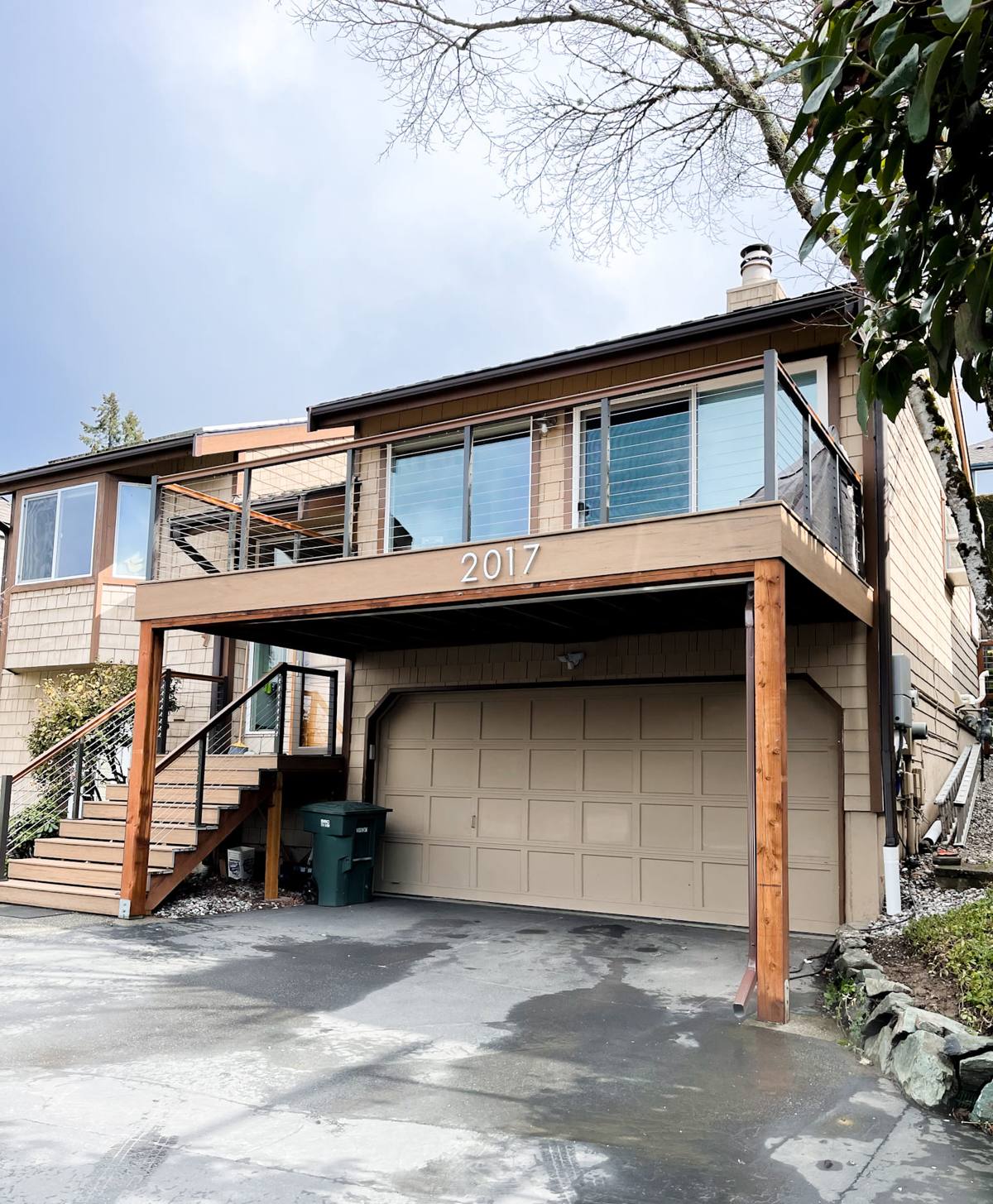
Silver Beach sits close enough to open water that homes here take a different kind of beating than a house set back in the trees outside Bellingham. Salt-laden air moves off the water and settles on everything, including your siding, trim, and fasteners. Add Whatcom County's long wet season and the moss that comes with it, and you've got a exterior that's under near-constant moisture and mineral load for months at a stretch. Siding that would hold up fine in a drier, inland lot can start failing years earlier out here.
We've worked on homes throughout the Sudden Valley area long enough to see the pattern repeat: siding repair calls in Silver Beach are rarely about one random crack. They're almost always about water and salt finding a way in through a joint, a fastener, or a seam that wasn't sealed or flashed correctly to begin with, then working on that weak point every day it's exposed.
What Actually Damages Siding Near the Water
Salt Air and Corrosion
Salt in the air doesn't just sit on the surface — it works into fastener heads, trim joints, and any exposed metal flashing. Over time it accelerates corrosion on nails and screws, which loosens boards and opens tiny gaps that water then exploits. On older siding, you'll often see rust streaking below fastener heads before you see any other sign of trouble.
Driving Rain
Wind off the water doesn't just drop rain straight down — it drives it sideways into wall assemblies, which puts real pressure on lap joints, butt seams, and anywhere siding meets a window, door, or trim board. A gap that would stay dry in calm rain becomes an entry point when rain is being pushed horizontally against the wall.
Moss and Sustained Moisture
Whatcom County's moss season runs long, and moss doesn't just sit on top of siding looking bad — it holds moisture against the surface for extended periods, which is exactly the condition that causes rot in wood-based products and accelerates coating breakdown on anything not built to handle sustained damp. Moss in gutters and on roof edges also redirects runoff onto siding in ways the original design never accounted for.
Signs a Silver Beach Home Needs Siding Repair
- Soft or spongy spots when you press on siding near the bottom of walls or below windows
- Visible rust streaking or corrosion around fastener heads
- Boards that have started to bow, cup, or pull away from the wall at seams
- Persistent moss or dark staining that keeps returning even after cleaning
- Paint or coating that's peeling, chalking, or bubbling rather than wearing evenly
- Visible gaps at trim, window, or corner joints that weren't there when the siding was new
- Interior signs — a musty smell, discoloration on interior walls, or peeling interior paint near exterior walls
Any one of these on its own might be minor. Several together, especially near the base of walls or on the side of the house that faces the water and prevailing wind, usually means moisture has been getting behind the siding for a while.
What a Correct Repair Actually Involves
A siding repair that just patches the visible damage and skips the cause is a repair you'll be paying for again in a few years. In a location like Silver Beach, that's especially true — the same salt air and rain pattern that caused the original failure is still going to be there after the patch goes in.
Our repair process
- Diagnose the actual water path. We open up the damaged area enough to see where moisture is actually getting in — often it's not directly behind the visible damage, it's a seam, fastener, or flashing detail nearby.
- Check for hidden damage. Sheathing, house wrap, and framing behind failed siding sometimes need attention too. We won't close up a repair over a problem we can see.
- Correct the underlying detail. This might mean re-flashing a window head, correcting a butt joint that wasn't sealed to spec, or replacing corroded fasteners with the right hardware for a coastal-exposure environment.
- Replace with matching material, installed to spec. Panels, laps, and trim are cut, fastened, and finished the way the manufacturer specifies — not just close enough to blend in visually.
- Verify the fix. We check that water sheds away from every repaired joint the way it's supposed to before we call the job done.
Why We Only Repair and Replace With James Hardie Fiber Cement
When a repair calls for new material — a full course, a damaged corner, or enough of a wall that patching in a mismatched product doesn't make sense — we use James Hardie fiber cement. That's not a brand preference we picked at random. In a salt-air, high-moisture environment like Silver Beach, the material matters as much as the workmanship.
Fiber cement doesn't absorb water and swell the way some wood-based and engineered wood siding products can, which matters directly here: swelling and re-drying cycles are what open up seams and loosen fasteners over time in a wet climate. Hardie's ColorPlus factory finish is also baked on and warrantied against fading and peeling, so a repaired section doesn't need repainting on the same schedule as the rest of a coated wood product might. And because Hardie is non-combustible, it doesn't add fuel-related risk to a home the way some siding materials do — a small but real consideration for insurance and long-term value.
We don't install LP SmartSide, vinyl, Cemplank, Allura, or primed spruce or cedar siding. Those aren't bad products in every situation, but for the moisture and salt exposure homes face this close to the water, we've made a standing decision to build and repair with the product that holds up best here, backed by a strong transferable warranty when installed correctly.
How Repair Material Options Compare in This Climate
| Material | Moisture Behavior Near Water | Salt/Coastal Air Durability | Repaint/Recoat Cycle |
|---|---|---|---|
| James Hardie fiber cement | Does not swell or rot; engineered for wet climates | Strong; factory ColorPlus finish resists fade and peel | Long — factory finish is warrantied |
| Engineered wood (e.g. LP SmartSide) | Treated to resist moisture, but still wood-based; edge/cut exposure needs vigilant sealing | Moderate; sensitive to sustained damp if maintenance lapses | Shorter — field-applied or factory coatings need more upkeep |
| Vinyl | Doesn't rot, but can warp/distort and doesn't stop water reaching sheathing behind it | Can become brittle over time with UV and temperature swings | No repaint, but color is baked in and can't be refreshed |
| Primed cedar/spruce | Natural wood; needs consistent sealing and upkeep to resist rot in wet climates | Lower without diligent maintenance | Frequent — regular repainting/staining required |
What Repair Typically Costs — and What Drives the Range
Every repair is different, but a few factors consistently drive the cost up or down on jobs like this:
| Cost Factor | Why It Matters |
|---|---|
| Extent of hidden damage | If sheathing or framing behind the siding needs repair, that adds labor and material beyond the visible siding itself |
| Access and wall height | Second-story or hard-to-reach walls take more setup time and equipment |
| Material matching | Matching existing Hardie profile, color, and reveal keeps the repair from standing out |
| Number of affected areas | A single localized repair costs far less than addressing multiple failure points around the house |
| Trim and flashing work involved | Correcting the underlying water path often means more than swapping siding panels alone |
Small, localized repairs are typically a modest cost; repairs that involve significant hidden damage or multiple wall sections run higher. We'll always give you a specific number after we've actually looked at the damage — not a guess over the phone.
Why Hiring a Crew That Already Works This Area Matters
Siding repair done right in Silver Beach isn't just about general carpentry skill — it's about knowing what this specific stretch of Whatcom County does to an exterior over time. A crew that mostly works drier, inland jobs may not think to check fastener corrosion first, or may not flash a joint with the same margin you'd want on a wall that takes direct wind-driven rain off the water. We work this area regularly, and we know which details fail first out here and why.
We also know the practical side of working in Sudden Valley and Silver Beach specifically — the kind of site access, weather windows, and seasonal timing that make a repair job go smoothly versus one that drags on through the wettest months of the year.
Maintaining Your Siding Between Repairs
- Rinse siding periodically to clear salt residue and organic buildup before it sets in
- Keep gutters and downspouts clear so runoff doesn't sheet down walls or pool at the base
- Trim back vegetation that shades siding and keeps it damp longer than it needs to be
- Address moss on roofing and siding promptly rather than letting it establish
- Have any soft spots, gaps, or coating failures looked at as soon as you notice them — small fixes now prevent bigger ones later
If you're seeing early signs of trouble on your Silver Beach home, or you just want an honest look at what's going on behind a section of siding, we're happy to come take a look. Request a free, no-pressure estimate below and we'll tell you straight what we find and what it'll take to fix it right.