 Sudden Valley
 Storm Damage Roof Repair Built for Fairhaven's Weather
Fairhaven sits close enough to open water that a roof here takes a different kind of beating than one twenty miles inland. Wind-driven rain, salt-laden air, and the long stretch of gray, wet months that Whatcom County is known for all add up over time. A single storm rarely destroys a roof outright, but it can open a small gap that lets months of moisture start doing quiet damage underneath the surface. Storm damage repair in this area isn't just about patching what you can see from the ground — it's about understanding how coastal wind and prolonged dampness actually move through a roof system and repairing it so the same spot doesn't fail again next season.
We work storm calls in Fairhaven and the surrounding Sudden Valley area regularly, which matters more than it sounds. A roof that's been exposed to salt air and driving rain for years behaves differently than one further from the water, and repairing it correctly means accounting for that from the first inspection.
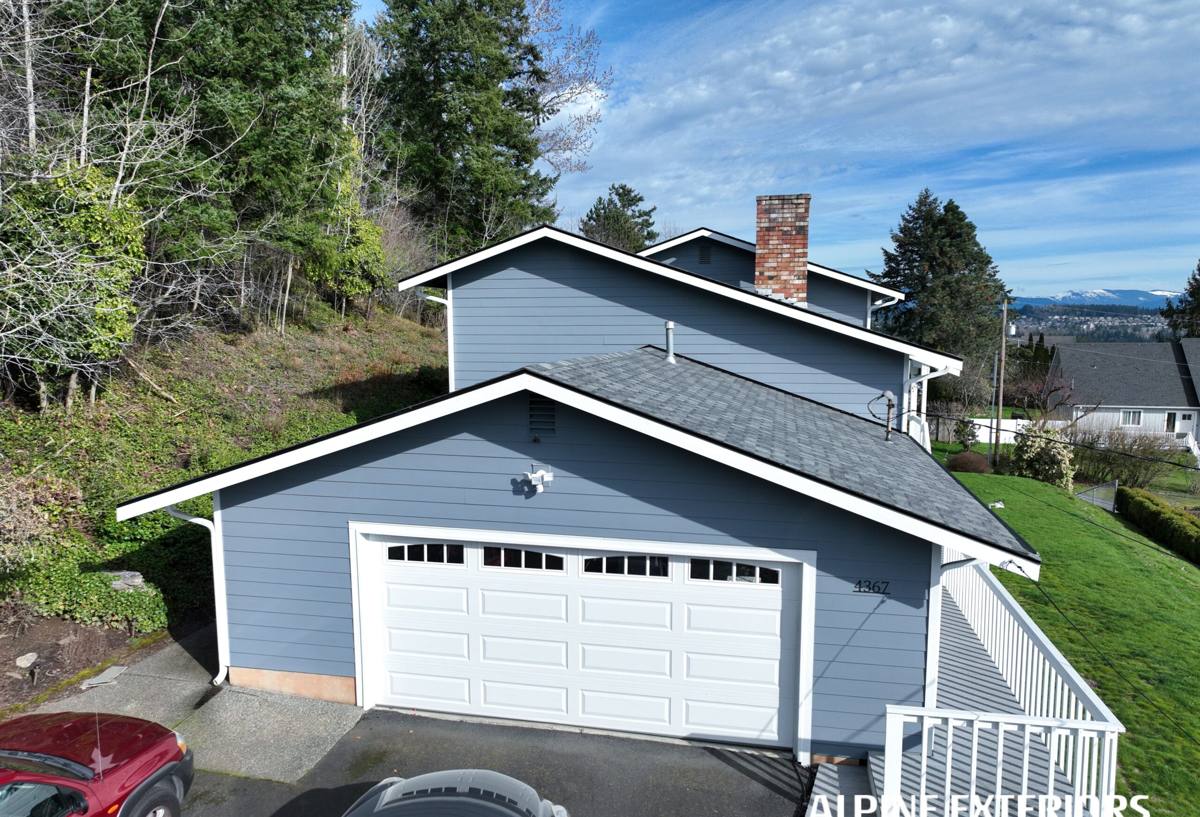
What Storms Actually Do to a Roof in This Area
Wind and Driving Rain
Wind off the water doesn't just push rain sideways — it pushes it sideways under shingle edges, ridge caps, and around flashing that's even slightly loose. That's how a roof can pass a casual visual check and still be leaking into the attic. Repeated wind events also work shingle tabs loose gradually, so damage from one storm often isn't obvious until the next storm finds the weak spot.
Salt Air and Metal Fatigue
Homes closer to the bay deal with a slow corrosion process on exposed metal — flashing, fasteners, gutter hardware, and vent caps age faster here than they would inland. A fastener that's lost some of its grip from years of salt exposure is far more likely to work loose during a wind event, which is one reason storm damage tends to show up first at flashing and fastener points rather than in the middle of a roof field.
Moss and Trapped Moisture
Whatcom County's long wet season is good growing weather for moss, and moss doesn't just sit on top of shingles — it holds water against the roof surface and works its way under shingle edges as it grows. A roof already carrying a moss mat is more vulnerable when a storm hits, because wind can lift shingles that moss has already loosened, and the moisture that moss traps has often started softening the roofing material underneath before the storm ever arrives.
What a Correct Storm Repair Actually Involves
The visible damage after a storm — a missing shingle, a dented vent cap, a strip of torn ridge cap — is usually the easy part. A repair done right also checks everything around that damage, because storm force rarely stays contained to one small area.
Inspecting Beyond the Obvious Damage
A proper storm inspection looks at the underlayment condition where shingles are missing, the state of the decking underneath (soft or delaminating plywood needs to be addressed, not covered over), the flashing at every penetration near the damaged area, and the attic side of the roof for any moisture staining that suggests water has already been getting in before the storm made the damage visible. Skipping any of these steps means the visible repair might hold while the real problem — a soaked underlayment or a compromised deck — keeps causing trouble.
- Shingle or roofing material condition beyond just the damaged section
- Underlayment integrity where materials have been lifted or torn
- Flashing at chimneys, vents, skylights, and roof-to-wall transitions
- Decking for soft spots, delamination, or staining
- Attic interior for moisture, staining, or mold odor
- Gutters and downspouts for storm debris blocking proper drainage
What Affects the Cost of Storm Damage Repair
Every storm repair is different, and giving a number without seeing the roof isn't honest. What we can lay out clearly is what tends to drive cost up or down, so you know what to expect before an estimate.
| Factor | Why It Matters |
|---|---|
| Extent of visible damage | A few lifted shingles is a different job than a section stripped by wind |
| Decking condition | Soft or rotted plywood underneath adds material and labor beyond the surface repair |
| Flashing involved | Flashing around chimneys, skylights, and valleys takes more time to do correctly than open field shingles |
| Moss or prior moisture damage | Pre-existing moss mats or soft spots found during inspection can expand the repair scope |
| Roof access and pitch | Steeper or harder-to-reach roof sections take longer to work safely |
| Matching existing materials | Older roofing may require sourcing a close match rather than an exact one |
Our Process, From Call to Completed Repair
- Initial inspection. We look at the whole roof, not just the spot you called about, and explain what we find in plain terms.
- Temporary protection if needed. If there's an active leak or exposed decking, we get it covered to stop further water intrusion before anything else happens.
- Written scope and estimate. You get a clear breakdown of what needs to be repaired and why, including anything we found beyond the original storm damage.
- The repair itself. Matching materials where possible, correcting flashing and underlayment issues, and replacing any decking that didn't hold up.
- Final check. We walk the completed repair with you and check the attic side again if that was part of the original concern.
Working With Insurance on Storm Claims
Many storm repairs in this area do involve an insurance claim, and we're glad to document damage clearly with photos and a written scope that your adjuster can work from. What we won't do is tell you a claim will be approved or estimate what your insurer will pay — that's between you and your policy. What we can do is make sure the damage is documented honestly and completely, including anything an adjuster might miss on a quick pass, like flashing that's been compromised or decking that's starting to soften.
Why a Crew That Already Works Fairhaven and Sudden Valley Matters
Storm damage repair isn't a one-size-fits-all trade. A roof a mile from the water ages differently than one further inland, and a crew that only occasionally works this stretch of Whatcom County may not immediately recognize the difference between fresh wind damage and the slower deterioration that salt air and moss have already been causing. Working Fairhaven and Sudden Valley regularly means we're used to spotting both — the obvious storm damage and the quieter problems building underneath it — and pricing and scoping the repair accordingly instead of guessing.
It also means faster response. After a significant wind event, roofing crews across the county get busy fast, and having a contractor who already knows the area's common trouble spots — chimney flashing, valley areas, moss-prone north-facing slopes — speeds up both the inspection and the repair.
Homeowner Checklist: After a Storm
If a storm has come through Fairhaven or Sudden Valley, here's what's worth checking from the ground before you call anyone — none of this requires getting on the roof yourself.
- Look for shingle pieces or granules in the yard or gutters
- Check ceilings and attic access points for new staining or damp spots
- Look at gutters for sagging, separation, or debris blocking flow
- Note any visible dents or damage to vent caps, flashing, or skylights from the ground
- Check for branches or debris resting on the roof surface
- Watch for any musty smell in upstairs rooms, which can indicate hidden moisture
- Take dated photos of anything you notice, in case a claim is needed later
Preventing the Next Storm From Causing the Same Damage
Storm damage repair holds up better when the rest of the roof isn't already compromised. Two things make the biggest difference in this climate: moss control and drainage. A roof kept clear of moss buildup sheds wind-driven rain the way it's designed to, instead of holding water against vulnerable seams. Gutters and downspouts kept clear handle heavy rain properly instead of backing water up under the roof edge during a storm. Neither of these is a one-time fix — given how long the wet season runs here, they're worth checking at least once a year, and after any major storm.
If you've had storm damage in Fairhaven or Sudden Valley, or you just want an honest look at how your roof is holding up against the salt air and rain this area gets, we're happy to come take a look. The estimate is free, there's no pressure, and you'll get a straight answer about what actually needs attention — just fill out the form below.