 Sudden Valley
 Windows Built for the Yew Street Stretch of Sudden Valley
Homes along Yew Street sit close enough to Lake Whatcom and the surrounding tree cover that their windows take a different kind of beating than a house out on open, dry ground. You get shaded, damp siding for months at a time, wind-driven rain that finds its way sideways under eaves, and a moss season that seems to stretch longer every year. Windows are one of the first places that shows up — fogged glass, soft trim, sashes that stick or won't seal tight anymore. If you're on Yew Street and your windows are starting to feel like the weak link in the house, this is what a correctly done replacement actually looks like, and why it matters to work with a crew that already knows this specific pocket of Whatcom County.
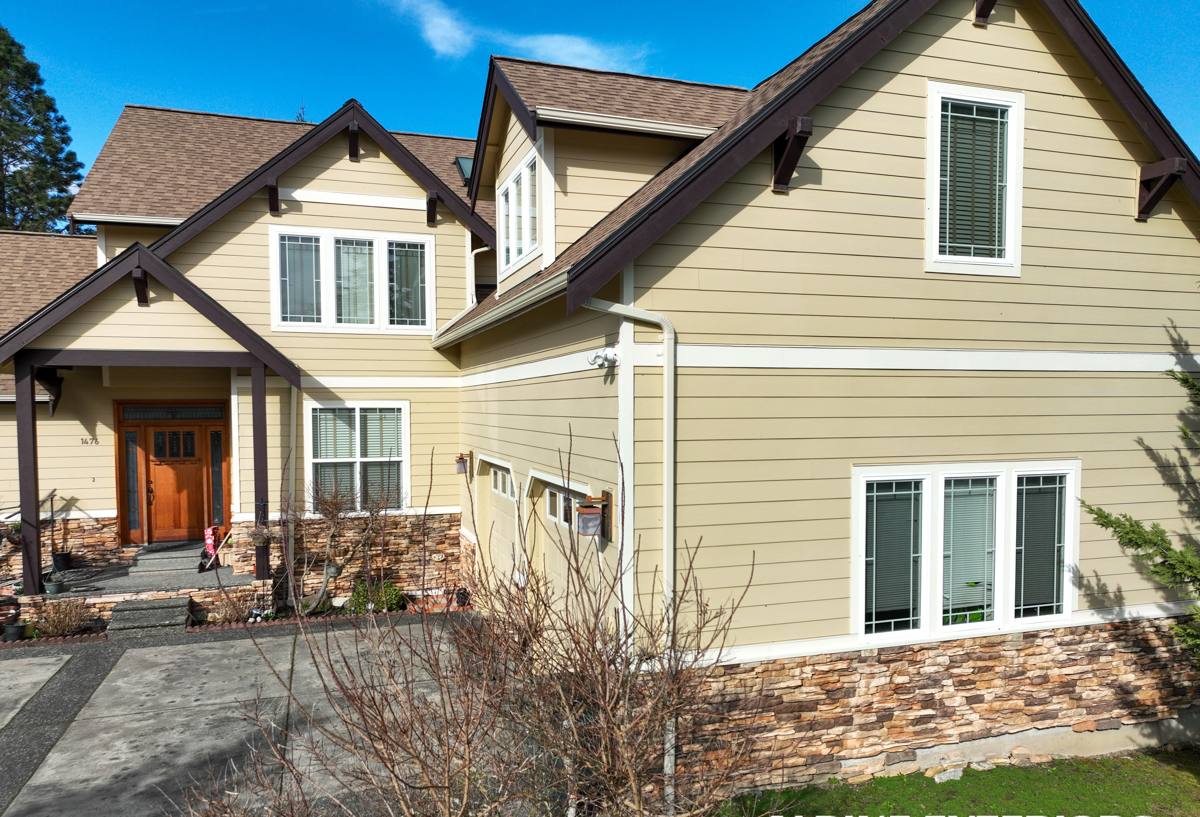
What This Climate Actually Does to Windows
Sudden Valley's setting is beautiful and it's also hard on building materials in specific, predictable ways. Understanding the failure pattern is the first step to buying the right window instead of the flashiest one.
Moisture, Not Just Rain
The bigger issue isn't rain hitting the glass — it's the humidity that lingers in shaded, tree-covered lots long after a storm passes. That moisture works into wood frames, sash tracks, and old glazing compound over years, and it's what causes swelling, sticking, and eventual rot around the window opening, not just water intrusion during a single storm.
Wind-Driven Rain and Flashing
Storms off the water don't always fall straight down. When rain comes in at an angle, a window's weakest point isn't the glass — it's the flashing and sealant detail around the frame. A window that's a fine product but poorly flashed will leak eventually, no matter the brand name on the sticker.
Moss and Organic Growth
Moss doesn't just grow on roofs here — it takes hold on window sills, in track channels, and in any spot that stays damp and shaded. Left alone, it holds moisture against the frame and finish, which shortens the life of both wood and some composite materials.
Salt Air
Being near the water means a low but steady exposure to salt-laden air, which is harder on exposed metal hardware — hinges, locks, cranks — than most homeowners expect. Cheaper hardware finishes can pit or corrode years before the window itself would otherwise need replacing.
What a Correct Window Job Involves Here
Replacing a window is not just popping in a new unit where the old one sat. On a Yew Street home, the sequence matters as much as the product.
Removal and Opening Inspection
Once the old window is out, we check the rough opening itself — sill, jack studs, and header — for any hidden rot or soft wood before anything new goes in. This is the point where problems that have been building for years finally become visible, and it's far cheaper to deal with them now than to seal a new window over a compromised opening.
Flashing and Water Management
This is the step that determines whether a window leaks in five years or lasts decades. Proper flashing tape, correctly lapped house wrap, and a sloped sill pan give water a path out instead of a place to collect. This step matters more in a wind-driven-rain climate than the window brand does.
Air Sealing and Insulation
The gap between the window frame and the rough opening gets sealed with low-expansion foam or backer rod and sealant — never packed tight with fiberglass alone, which does little for air sealing and nothing for water management.
Interior and Exterior Finish
Trim, caulking, and paint or stain get finished to shed water, not just to look clean. On the exterior especially, the caulk joints and any exposed wood trim are where moss and moisture problems start if they're rushed.
Choosing the Right Window for This Location
There's no single "best" window — there's the right window for how exposed the opening is and what the homeowner wants long-term. Here's the practical breakdown for wall orientation and exposure on lots like the ones along Yew Street.
| Frame Material | How It Handles Local Moisture | Maintenance | Where We'd Use It |
|---|---|---|---|
| Vinyl | Won't rot or corrode; performs well in damp, shaded spots | Low — occasional cleaning | Most shaded, tree-covered elevations |
| Fiberglass | Very stable in moisture and temperature swings; holds paint well | Low to moderate | Higher-exposure walls, larger openings |
| Wood-clad | Interior wood look but exterior clad against weather; still relies on flawless flashing | Moderate — clad exterior, wood interior needs occasional attention | Homes prioritizing an interior wood appearance |
| Aluminum | Prone to condensation and, near the lake, more susceptible to hardware corrosion over time | Higher — thermal and moisture issues compound | We steer away from this as a primary choice in this climate |
We're upfront that we don't push bare aluminum-frame replacements out here — not because the product is bad everywhere, but because in a shaded, damp, salt-tinged setting like this one, it's simply not the frame material that holds up as well over time. That's a standard we apply based on climate fit, not a knock on any manufacturer.
Energy Efficiency: What Actually Moves the Needle
"Energy-efficient" gets used loosely in this industry. For homes in this part of Whatcom County, a few specific factors matter more than others.
- Low-E glass coatings — reduce heat loss in winter and glare in summer without darkening the glass noticeably
- Double or triple pane with argon fill — the gas fill between panes is what actually slows heat transfer, more than pane count alone
- Warm-edge spacers — the material separating the panes at the edge affects condensation resistance, which matters in a consistently damp climate
- Tight, correct installation — even a top-tier window underperforms badly if it's installed with air gaps or poor flashing
- Proper sizing and fit — an oversized rough opening filled with foam and hope is never as efficient as a properly measured and shimmed install
In practice, we've found that installation quality closes or widens the efficiency gap between window lines more than the marketing materials suggest. A mid-tier window installed correctly will usually outperform a premium window installed poorly.
Our Process
- On-site assessment — we look at each window opening individually, not just the whole house as one line item, since exposure varies wall to wall
- Honest recommendation — frame material and glass package matched to that specific window's sun, wind, and moisture exposure
- Written estimate — clear scope, materials, and a straightforward price range before any work starts
- Removal and opening check — old window out, rough opening inspected and repaired if needed before the new unit goes in
- Install with full flashing and air-sealing detail — the step that determines long-term performance
- Finish work and walkthrough — trim, caulking, and a final check with the homeowner before we call it done
Why a Local, Familiar Crew Matters Here
Sudden Valley isn't a typical subdivision — lot grading, tree cover, and proximity to the lake vary block to block, and Yew Street has its own particular mix of shade and wind exposure. A crew that's already worked this area knows what to check before the first window ever comes out: which walls tend to hold moisture, where moss builds up fastest, and which flashing details actually hold up through a wet Whatcom County winter. That's not something you get from a five-minute video call estimate or a crew driving in from outside the area for the day. It also means if a question comes up two years down the road, you're calling a company that's still working in your neighborhood, not one that's moved on to the next region.
Before You Book a Window Replacement
A few things worth checking or asking about before committing to any bid, local or otherwise:
- Does the estimate specify flashing method and materials, or just "new window installed"?
- Is the rough opening inspection included, or only discovered (and priced) once work has started?
- What frame material is being recommended for each specific wall, and why?
- Is there a plan for finish work — trim, caulk, paint — or is that assumed to be a separate cost?
- Does the crew have recent, verifiable work in Sudden Valley or nearby Whatcom County neighborhoods?
- Is the warranty structure — manufacturer versus installation — explained clearly, not just mentioned?
What This Typically Costs
Pricing depends heavily on window size, frame material, number of openings, and whether the rough opening needs repair. As a broad range for standard residential window replacement in this area, most projects fall somewhere between a few hundred dollars per window for straightforward vinyl replacements and well over a thousand per window for larger openings, fiberglass, or units requiring structural repair at the opening. The only way to get a real number is a site visit — anything quoted without seeing the actual windows is a guess.
If your windows on Yew Street are fogging, sticking, or letting in more draft and moisture than they used to, we're happy to come take a look. A free estimate means an honest walk-through of your specific windows, a straight answer on what needs replacing versus what can wait, and no pressure either way — just fill out the form below to get started.