 Sudden Valley
 Why Roofs Age Differently Around Lake Whatcom
A roof on a home near Lake Whatcom does more work than a roof in a dry inland climate. The basin holds moisture longer than open ground, tree cover keeps large sections of most roofs shaded for much of the day, and Whatcom County's marine-influenced weather sends driving rain sideways as often as it falls straight down. Add in a moss season that can stretch from fall through spring, and you have a set of conditions that will find every weak point in a shingle roof faster than a drier region would.
None of that means asphalt shingles are the wrong choice for this area. They're not. It means the installation details, ventilation, and maintenance plan have to be matched to how this specific location behaves, not just to a generic spec sheet. That's the difference between a shingle roof that looks tired at year eight and one that's still doing its job at year twenty-five.
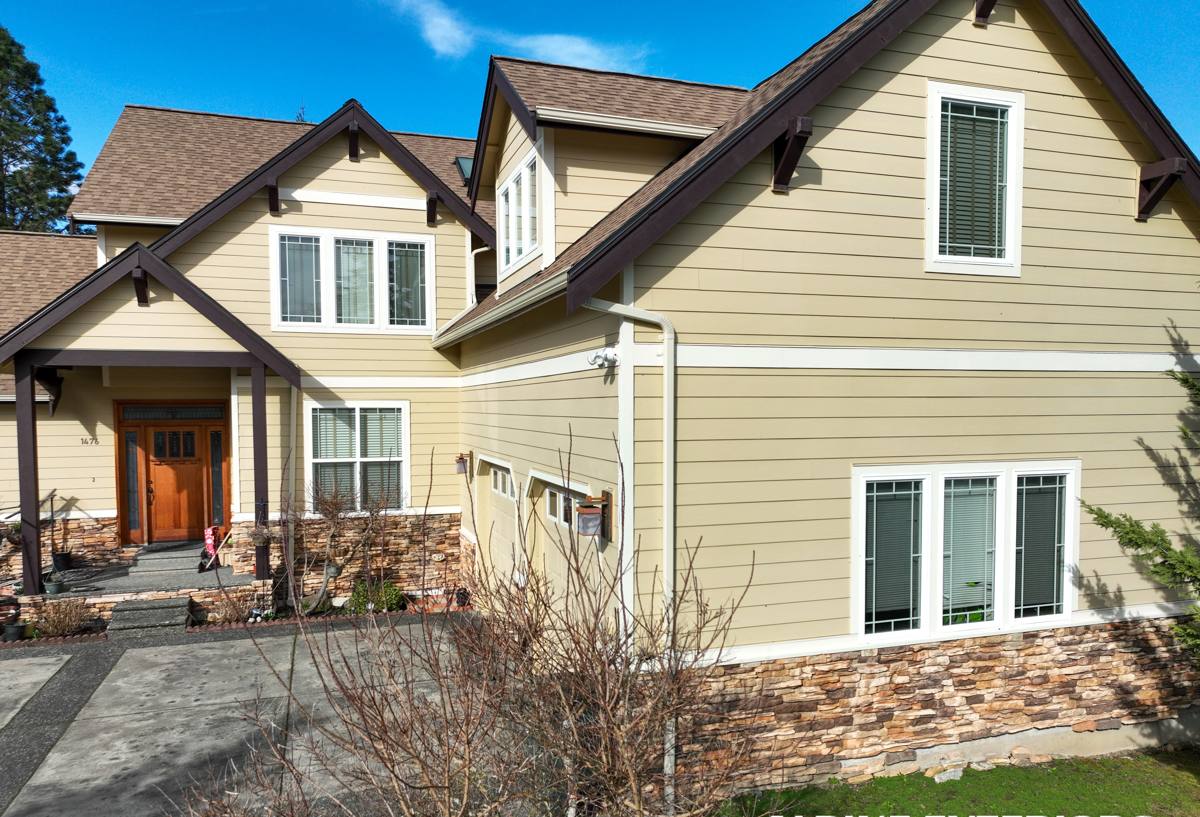
What the Local Climate Actually Does to a Shingle Roof
Moss and Algae
Shaded, north-facing slopes near the lake stay damp longer after every rain, and damp shingle surfaces are exactly what moss spores and algae need to take hold. Once moss establishes itself, it doesn't just look bad — it lifts shingle edges as it grows, holds water against the roof deck, and accelerates granule loss. Left alone long enough, a mossy roof section can shed water improperly for years before a leak ever shows up inside the house.
Wind-Driven Rain
Storms coming off the water don't always drop rain straight down. Wind pushes it sideways and up under shingle edges, ridge caps, and anywhere flashing isn't sealed correctly. A roof that would be fine in a calm-rain climate can leak here if the underlayment, flashing, and shingle overlap weren't installed with that wind pattern in mind.
Slow-Drying Sections
Mature tree cover around many Lake Whatcom properties is part of what makes the area attractive, but it also means valleys, north slopes, and areas near overhanging branches dry out slowly between storms. Those are the spots that need the most attention during installation and the most frequent check-ins afterward.
Choosing the Right Shingle for This Environment
Not every asphalt shingle product is built the same way, and in a moss-and-moisture climate, the differences matter more than they would somewhere drier. We look at algae resistance, wind rating, and how the shingle performs when it stays wet for long stretches — not just upfront cost.
| Shingle Type | Typical Lifespan Here | Best Fit | Trade-Offs |
|---|---|---|---|
| Standard 3-tab | 12–18 years | Budget-conscious re-roofs, low-slope simple roofs | Lower wind rating; algae shows sooner without a treated cap |
| Architectural / dimensional | 20–30 years | Most Lake Whatcom homes | Higher upfront cost; needs correct ventilation to hit full lifespan |
| Algae-resistant (AR) shingles | 20–30 years, cleaner appearance longer | Shaded lots, north-facing slopes, tree-heavy properties | Slight cost premium; resistance fades gradually over the shingle's life, it doesn't eliminate cleaning entirely |
| Impact-rated shingles | 25–30+ years | Homes wanting extra durability against debris and hail | Higher material cost; benefit is durability, not moss resistance |
For most homes around the lake, we lean toward a mid-to-high grade architectural shingle with algae-resistant granules, paired with proper ventilation. That combination handles the shade, the moisture, and the wind exposure better than a basic 3-tab product, without pushing into premium pricing that isn't necessary for the conditions.
What a Correct Installation Actually Involves
The shingle brand on the wrapper matters less than what's underneath it and how it was put on. A roof fails from the deck up, not just the surface down.
Underlayment
In a climate with this much sustained moisture, we use synthetic underlayment rated for extended exposure and add self-adhered ice-and-water membrane at eaves, valleys, and around penetrations — the spots where wind-driven rain and slow-draining snow melt cause the most trouble.
Flashing
Step flashing at walls and chimneys, and properly lapped valley flashing, are what actually keep water out — shingles alone can't do it. We replace flashing rather than reuse it whenever a roof is torn off, since old flashing has usually already taken damage that isn't visible from the ground.
Ventilation
A roof deck that can't breathe stays damp longer after every rain, which feeds moss growth and shortens shingle life from underneath. We check ridge and soffit venting on every project and correct imbalances rather than just laying new shingles over an old ventilation setup.
Nailing and Wind Exposure
Lakefront and hillside lots around Sudden Valley catch more direct wind than sheltered inland streets. We follow manufacturer nailing patterns for the wind zone rather than the minimum code requirement, since under-nailed shingles are one of the most common causes of early wind damage we see on older roofs in this area.
Our Process for a Lake Whatcom Roofing Project
- Inspection first. We look at the deck condition, existing ventilation, flashing points, and the shaded or damp sections specific to your lot before quoting anything.
- A written scope. You get a plan that spells out the underlayment, flashing approach, shingle product, and ventilation work — not just a square-footage price.
- Weather-aware scheduling. Roofing work has to happen in a dry window. We plan install days around forecasts rather than pushing through wet conditions that compromise the underlayment or deck.
- Tear-off and deck check. Old material comes off completely so we can see and repair any soft or rotted decking before new material goes down — this is where hidden moisture damage from years of moss or slow leaks usually turns up.
- Cleanup and walk-through. Magnetic sweep for nails, debris hauled off, and a final walk-through so you know what was done and what to watch for going forward.
Maintenance That Actually Matters in a Moss-Prone Climate
A well-installed roof still needs upkeep in this environment. Most of it is simple and inexpensive if it's done on a schedule, and expensive to ignore if it isn't.
- Have moss and algae growth removed with proper low-pressure methods before it lifts shingle edges — never power-washed, which strips granules and shortens shingle life.
- Keep gutters and valleys clear of needles and leaf litter, especially on tree-covered lots, so water isn't held against shingle edges.
- Trim back overhanging branches where possible to cut down on shade and debris buildup on the roof surface.
- Check flashing around chimneys, skylights, and vent pipes annually — these are the first places a wind-driven rain leak shows up.
- Address small moss patches early; a light treatment now is far cheaper than a section of damaged decking later.
- Schedule a professional inspection after any major windstorm, not just on a fixed calendar interval.
Signs Your Lake Whatcom Roof Needs Attention
Because moisture damage under shingles can develop before it shows up as an indoor leak, it's worth knowing what to look for from the ground or during a walk around the property:
- Dark streaking or visible moss patches, especially on north-facing or shaded slopes
- Granules collecting in gutters or at the base of downspouts
- Shingles that look cupped, curled, or lifted at the edges
- Soft spots or sagging when walking the attic, or daylight visible through the roof deck
- Water stains on interior ceilings that appear after wind-driven storms specifically
Any one of these on its own isn't necessarily an emergency, but they're all worth a look before they turn into a deck repair instead of a simple shingle repair.
Why Local Roofing Experience Matters Here
A crew that only occasionally works this side of Whatcom County will treat every roof the same way they'd treat one in a drier, more sheltered area. A crew that regularly works around Lake Whatcom already knows which slopes hold moss longest, which lots need extra ventilation because of tree cover, and how the wind behaves differently on exposed versus sheltered sections of the same street. That knowledge shows up in fewer callbacks and a roof that performs the way it's supposed to for its full expected life, not just for the first few dry summers.
It also matters for practical reasons — many neighborhoods around the lake are part of an established community association with expectations around roof color and material, and knowing that going in avoids delays. A contractor familiar with the area can also plan around narrower access roads and sloped driveways that are common on lakefront and hillside lots, which affects how material staging and tear-off debris removal are handled.
Get a Straightforward Estimate
If your roof is showing moss, granule loss, or you just want an honest read on how many years it has left, we're happy to take a look. The estimate is free, there's no pressure attached to it, and you'll get a clear explanation of what we find — use the form below to get started.