 Sudden Valley
 Windows Built for Barkley's Climate, Not Just Its Openings
Barkley sits close enough to Lake Whatcom and the broader Sudden Valley area that homes here take a steady beating from moisture year-round. It's not one dramatic storm that wears out a window — it's the accumulation. Driving rain off the water, salt-tinged air moving up from the Sound, and a moss season that can stretch from October through May all work on window frames, sills, and seals in ways that drier climates never have to plan for. A window that's correctly sized and correctly installed for Barkley isn't the same job as installing that same window somewhere inland and dry.
When we talk about "custom windows" for this area, we mean two things at once: windows built to the actual openings in your home (not stock sizes forced to fit), and windows and installation details chosen specifically to handle what Whatcom County weather does to a house. Both matter. A beautiful window installed with the wrong flashing detail will fail here faster than it would in most other parts of the country.
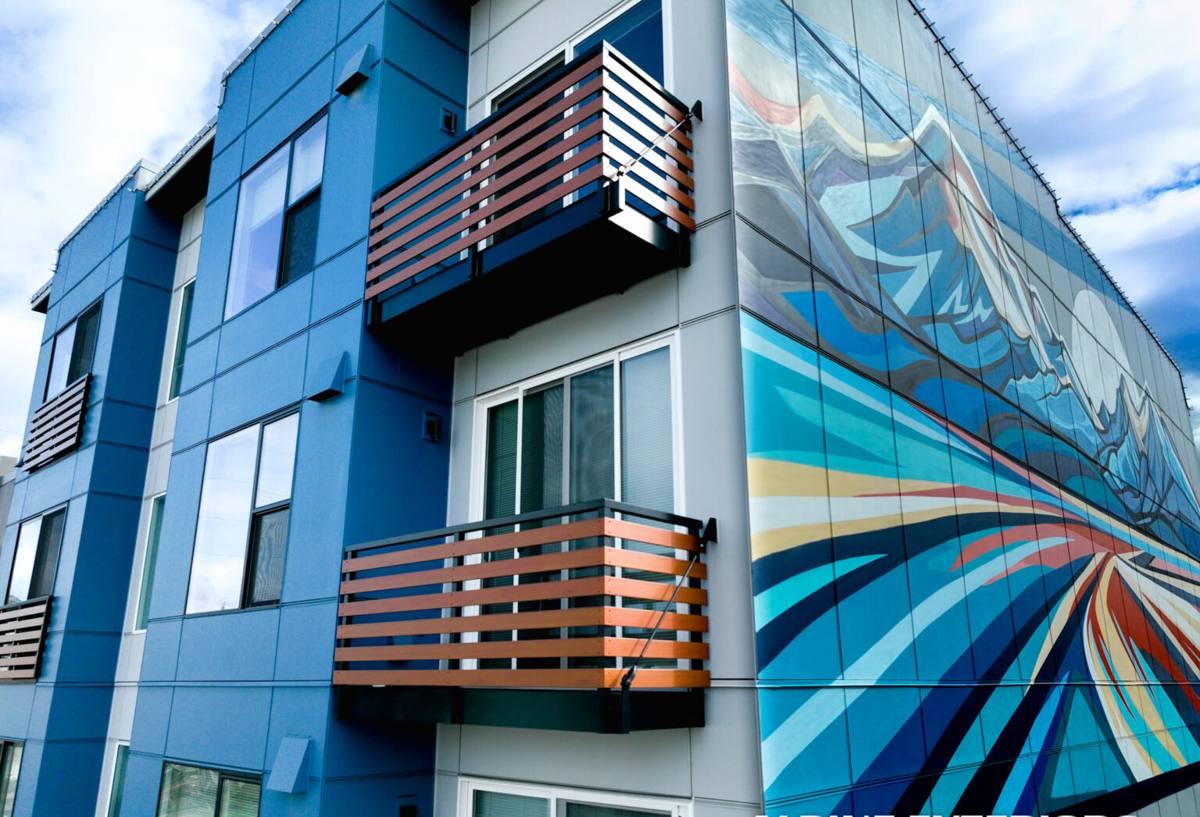
What Local Homes Actually Need
Moisture Management First
Every window replacement in Barkley starts with the same question: where does water go if it gets past the glass? Wind-driven rain doesn't just hit a window head-on — it gets pushed sideways and up under trim, especially on exposed elevations facing the lake or open yard. That means proper flashing, correctly lapped house wrap, and a sill pan that sheds water outward instead of trapping it are not optional upgrades. They're the baseline for this climate.
Moss and Organic Growth
Long wet seasons mean moss, algae, and mildew get a real foothold on anything that stays damp — including window sills, trim, and the caulk lines around frames. Material choice and drainage detail both affect how much of that growth you'll deal with later. A sill that holds standing water, or trim that's tight against siding with no airflow, gives moss exactly what it needs.
Salt Air and Hardware
Proximity to the Sound means a light but steady exposure to salt-laden air, which accelerates corrosion on lower-grade hardware — hinges, locks, and cranks on operable windows in particular. It's a slower problem than moisture intrusion, but it's a real one, and it's why hardware quality matters more here than in a landlocked market.
What "Correct" Actually Looks Like
A correctly installed window in Barkley involves more than setting a unit in the opening and running a bead of caulk. Here's what we consider non-negotiable on every job:
- Sill pan flashing that directs any water that gets past the window back outside the wall, not into the framing
- Properly lapped flashing tape integrated with the existing house wrap or building paper, shingle-style, so water always flows down and out
- Backer rod and quality exterior sealant sized correctly for the gap — not just caulk smeared over a joint
- Shimming and squaring the frame so the window operates smoothly and the seal stays consistent over time, instead of racking as the house settles
- Insulation in the gap between the window frame and rough opening, not left empty or overstuffed
- Exterior trim and caulk lines detailed to shed water rather than collect it
Skip any one of these and the window can still look fine for a season or two before problems show up — usually as staining, soft trim, or drafts that get worse every wet season.
Choosing the Right Window for This Location
"Custom" doesn't have to mean exotic or expensive. Most of the time it means matching the frame material, glass package, and operating style to both the home's exposure and the homeowner's maintenance tolerance. Here's how the common options stack up for a Barkley home:
| Frame Material | Moisture Performance | Maintenance | Typical Fit |
|---|---|---|---|
| Vinyl | Good — won't rot, handles moisture well | Low | Most homes, especially exposed elevations |
| Fiberglass | Excellent — very stable, resists warping | Low | Higher-exposure walls, larger openings |
| Wood (clad exterior) | Good if maintained; vulnerable if seals fail | Higher — needs periodic inspection | Homes prioritizing interior wood look |
| Aluminum | Prone to condensation without thermal breaks | Moderate | Rarely our first recommendation in this climate |
We lean toward vinyl and fiberglass for most Barkley homes because they don't give moisture and salt air a foothold the way bare wood or poorly broken aluminum can. That's a maintenance-and-longevity call, not a knock on any manufacturer — every material has a place, but this climate rewards materials that shrug off moisture with minimal upkeep.
Glass Packages Worth Considering
Double-pane, low-E glass is the practical standard here — it cuts heat loss through our long heating season and helps control condensation on the interior side of the glass, which is a common complaint in older single-pane or early double-pane windows around Sudden Valley. Argon-filled units add a modest efficiency bump for a modest cost difference. Triple-pane is available but usually only worth the added cost on north-facing or highly exposed rooms where comfort, not just energy savings, is the goal.
Our Process for a Barkley Window Job
1. On-Site Assessment
We walk the exterior and look at each opening individually — sun exposure, wind exposure, existing flashing condition, and any signs of past water intrusion around the current windows. Barkley homes vary enough in orientation to the lake and tree cover that a one-size approach doesn't hold up.
2. Measuring and Ordering
Custom windows are built to your actual rough openings, which are rarely perfectly square on older homes. We measure precisely rather than rounding to a stock size, so the finished install fits tight without excessive shimming or filler.
3. Removal and Opening Prep
Old windows come out carefully so we can inspect the framing underneath. This is often where hidden moisture damage from years of marginal flashing shows up — and it's better to find it now than to seal a new window over a problem that's already started.
4. Flashing and Installation
New sill pan, flashing tape, and house wrap integration happen before the window ever goes in. The window itself is shimmed, squared, and fastened to manufacturer spec, then sealed on the exterior with materials rated for our wet climate.
5. Interior and Exterior Finish
Trim, caulk, and any interior finish work is completed, and we walk the job with you to confirm operation and appearance before we consider it done.
Why It Matters That We Already Work in This Area
Working regularly in and around Sudden Valley and Barkley means we're not guessing at how this specific microclimate treats a house. We've seen what happens when flashing details are done for a drier region and applied here without adjustment — it's usually staining or soft framing within a few years, not decades. Local experience also means we understand the housing stock in this area: the age ranges, common construction methods, and the kinds of window openings you're likely to have, which speeds up both the estimate and the install.
There's also a practical side to hiring locally: warranty follow-up, minor adjustments, and questions after the install are easier to handle when your contractor is already working in the neighborhood, not driving in from a couple hours away.
Signs Your Barkley Home May Need New Windows
- Visible fogging or moisture between panes on double-glazed units
- Soft or discolored wood trim around window frames
- Drafts you can feel near the window even when it's fully closed and latched
- Difficulty opening, closing, or locking windows — often a sign of a frame going out of square
- Persistent moss or dark staining on sills that keeps coming back after cleaning
- Rising heating bills without any other clear cause
Any one of these on its own isn't necessarily an emergency, but a few together usually mean the window system — not just the glass — is due for a closer look.
Cost Factors to Understand Before You Budget
Every custom window job is priced around a handful of real variables, and it helps to know what's driving the number before you start comparing quotes:
| Factor | Why It Affects Cost |
|---|---|
| Frame material | Vinyl, fiberglass, and clad-wood carry different material costs |
| Opening condition | Rot or framing repair found during removal adds labor and material |
| Window size and count | Larger or more numerous openings increase material and labor time |
| Glass package | Standard low-E vs. argon-filled vs. triple-pane changes unit cost |
| Operating style | Casement, double-hung, and picture windows differ in hardware and install complexity |
| Trim and finish work | Matching existing interior trim or upgrading exterior trim adds scope |
We'd rather walk your specific openings and give you real numbers than throw out a broad estimate that doesn't hold up once we see the actual conditions.
Let's Take a Look at Your Windows
If you're weighing whether it's time to replace windows on your Barkley home, we're glad to come take a look and give you an honest, no-pressure assessment — what we'd recommend, why, and roughly what it involves. Use the form below to request a free estimate.