 Sudden Valley
 Siding Installation in Fairhaven Starts With the Right Material
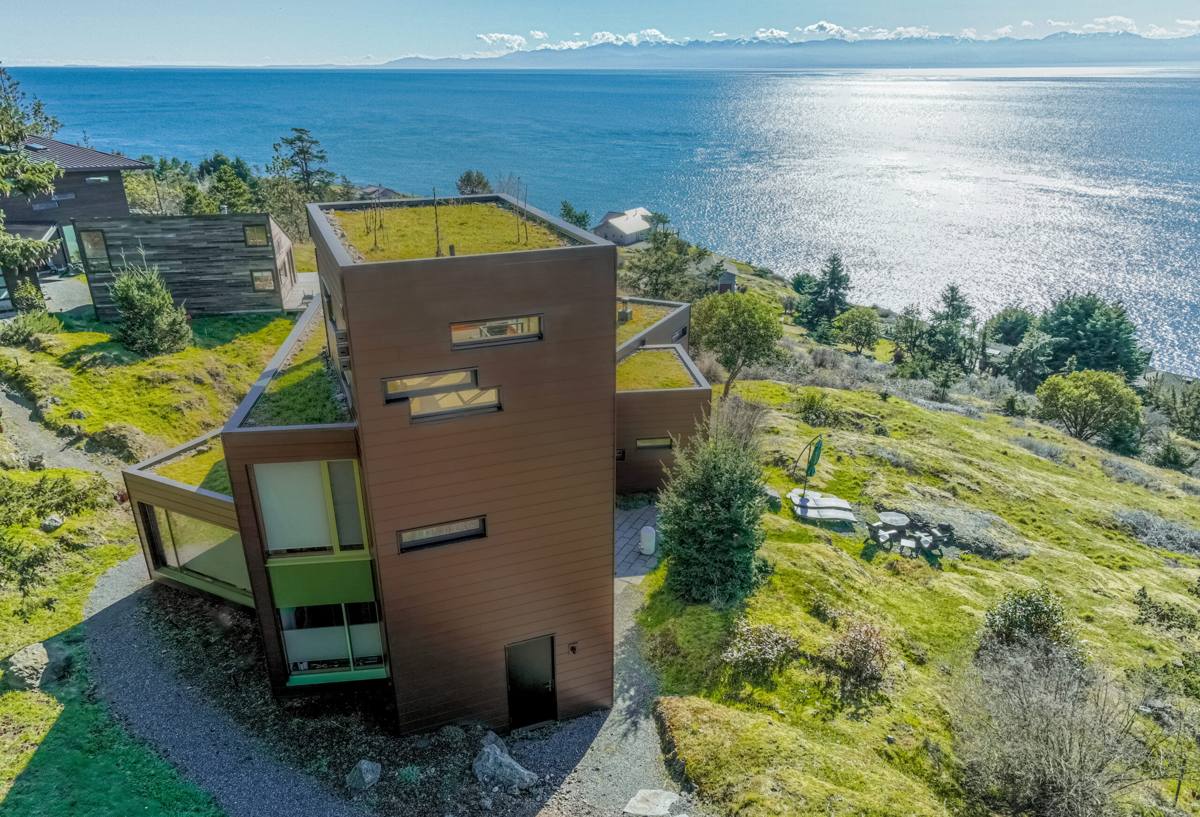
Fairhaven homes sit close enough to the water that the exterior takes a different kind of beating than a house a few miles inland in Sudden Valley. Salt-laden air, near-constant winter rain, and a moss season that can stretch for months put real stress on a home's siding system. Before we talk about installation technique, we start with material selection, because the wrong siding in this environment will fail early no matter how carefully it's hung.
This page is about one thing: siding installation for Fairhaven homes, done right, with a product built to handle this specific climate. We install exclusively James Hardie fiber cement siding, and we've worked enough properties in this part of Whatcom County to know what actually holds up here versus what looks fine for the first few years and then starts giving homeowners problems.
What Salt Air, Driving Rain, and Moss Do to Siding Over Time
Three climate factors shape every siding decision we make for a Fairhaven home:
- Salt air: Coastal proximity means airborne salt settles on exterior surfaces year-round. Over time, salt exposure accelerates the breakdown of coatings and fasteners that aren't rated for it, and it speeds corrosion on anything metal that isn't properly protected.
- Driving rain: Wind-driven rain off the water doesn't just wet the surface of siding — it pushes moisture sideways and upward, testing every seam, joint, and piece of flashing. A siding system that only handles rain falling straight down isn't enough here.
- Extended moss season: Cool, damp conditions for much of the year create ideal moss and algae growth on north-facing and shaded walls. Moss holds moisture against a surface long after a rain event ends, which is exactly the condition that rots wood-based siding and delaminates poorly bonded coatings.
None of these factors are unique to Fairhaven, but the combination — and the constant, low-grade exposure to all three at once — is what separates a house near the water from one further inland. Siding installed here needs to be dimensionally stable, resistant to moisture absorption, and finished with a coating that won't degrade under salt and shade.
What a Correct Siding Installation Actually Involves
Siding failures in this climate are rarely about the material alone. Most premature problems we see trace back to installation shortcuts, not product defects. A correct installation covers several details that are easy to skip and hard to notice until years later.
Weather-Resistive Barrier and Flashing
Every wall needs a continuous weather-resistive barrier behind the siding, with flashing integrated at windows, doors, and any horizontal trim or transition. In a driving-rain climate, flashing that's missing, reversed, or not lapped correctly is one of the most common sources of hidden water intrusion. Water gets behind the cladding and into the wall assembly long before anyone sees a visible sign on the surface.
Fastening and Clearances
Fiber cement siding has manufacturer-specified fastener types, spacing, and penetration depths. It also requires proper clearance from grade, roof lines, decks, and other siding-to-trim transitions so water has somewhere to drain instead of wicking upward into the board. Skipping these clearances is a common shortcut that causes moisture problems at the bottom courses of a wall first.
Joint and Seam Detailing
Butt joints, corners, and penetrations (hose bibs, vents, light fixtures) all need to be sealed and detailed correctly. In a salt-air, high-moisture environment, a poorly sealed joint becomes a long-term entry point for water and a spot where coatings fail first.
Why We Install Only James Hardie Fiber Cement
We don't install vinyl siding, LP SmartSide, cedar, or primed spruce, and that's a deliberate standard, not an oversight. Each of those products has legitimate strengths, but each also comes with a real-world trade-off that we think matters more in a climate like this one:
- Vinyl is affordable and low-maintenance in mild conditions, but it can become brittle and prone to cracking in cold snaps, and its seams and panel movement give wind-driven rain more opportunities to work behind the cladding over time.
- LP SmartSide and other engineered wood products perform well when installation and maintenance are followed exactly, but they're wood-based, which means sustained moisture exposure — the kind moss and driving rain create here — is the one condition they're most vulnerable to.
- Cedar and primed spruce are attractive natural materials, but they require ongoing refinishing and are the most maintenance-intensive option in a wet, shaded, salt-air environment. Skipped maintenance shows up fast as rot, cupping, or coating failure.
James Hardie fiber cement is non-combustible, dimensionally stable, and doesn't absorb and swell with moisture the way wood-based products can. Its factory-applied ColorPlus finish is baked on under controlled conditions rather than field-applied, which gives it better long-term resistance to fading and coating failure than a job-site paint job. That combination is why we standardized on it rather than offering a menu of products with very different long-term outcomes.
James Hardie Product Lines Suited to This Climate
James Hardie engineers its siding in region-specific formulations, sold under its HZ5 and HZ10 designations depending on climate zone. The versions used in the Pacific Northwest are engineered for moisture and freeze-thaw cycling rather than the higher-heat, high-UV formulations used in the Southwest. For a Fairhaven home, that means the siding itself is matched to a wet, moderate-temperature coastal climate, not a generic, one-size-fits-all product.
ColorPlus finishes also matter more here than in a drier climate: a factory finish with strong adhesion and UV resistance holds its color and seal longer under repeated wet-dry cycling and salt exposure than most field-applied coatings, which reduces how often a homeowner needs to think about repainting.
Our Installation Process, Start to Finish
Our process is built around the details that actually determine how a siding job performs in this climate, not just how it looks on installation day:
- On-site assessment: We evaluate existing siding, sheathing condition, and any signs of past moisture intrusion before quoting the job.
- Weather barrier and flashing plan: We map out flashing details at every window, door, and horizontal transition before the first board goes up.
- Removal and substrate check: Old siding comes off, and we inspect the sheathing underneath for hidden rot or damage before covering it back up.
- Weather-resistive barrier installation: A continuous barrier goes on correctly lapped, with flashing integrated as we go rather than added as an afterthought.
- Hardie board installation: Fastening, spacing, and clearances follow James Hardie's published specifications, not shortcuts.
- Trim, joints, and sealant detailing: Every seam and penetration is sealed and finished to shed water, not just to look clean.
- Final walkthrough: We review the finished job with the homeowner and point out anything they should know for ongoing care.
Why Hiring a Crew That Already Works Fairhaven Matters
A crew that regularly works this part of Whatcom County has already seen how homes here age — where moss tends to build up, which wall orientations take the worst of the driving rain, and what past installation shortcuts tend to fail first. That familiarity changes how a job gets planned: it means paying closer attention to flashing on the water-facing walls, being deliberate about clearances near grade, and not treating this as a generic siding job in a generic climate.
It also means less guesswork for the homeowner. A crew that's done this work up and down the coastline in Sudden Valley and the surrounding area isn't learning the local climate on your project.
Maintenance Expectations After Installation
Correctly installed James Hardie siding is low-maintenance, but "low-maintenance" doesn't mean "no maintenance," especially in a moss-prone, salt-air environment. A simple annual routine goes a long way:
- Rinse siding annually to clear salt residue and surface grime, especially on walls facing the water
- Check and clear moss or algae buildup on shaded and north-facing walls before it spreads
- Inspect caulking at joints, trim, and penetrations yearly and re-seal any cracked or separated sections
- Keep gutters clear so overflow doesn't run down the siding face repeatedly
- Trim back vegetation that keeps a wall section shaded and damp
- Watch for any soft spots, staining, or discoloration near the bottom courses, which are the first place hidden moisture problems tend to show up
Cost Factors for a Fairhaven Siding Installation
Every home is different, but a few factors consistently move the scope and cost of a siding installation project in this area:
| Factor | Why It Matters Here |
|---|---|
| Existing sheathing condition | Hidden rot from past moisture intrusion adds repair scope before new siding can go on |
| Wall exposure to water and wind | Water-facing walls often need more careful flashing and detailing than sheltered walls |
| Home size and complexity | More corners, windows, and trim transitions mean more flashing and joint detail work |
| Removal of old siding | Tear-off and disposal of the existing material adds labor versus installing over a bare wall |
| Trim and accessory choices | Corner boards, trim profiles, and accessories affect both material cost and installation time |
If you'd like a clear picture of what a correctly installed, climate-appropriate siding job looks like for your Fairhaven home, we're happy to take a look and put together a free, no-pressure estimate using the form below.