 Sudden Valley
 Roof Repair Built for Ferndale's Weather, Not a Generic Climate
Ferndale sits close to the water in Whatcom County, and that location shapes what a roof deals with year after year. Salt-laden air off the coast, long stretches of driving rain through fall and winter, and a moss season that seems to start earlier every year all put specific, cumulative stress on roofing materials. A repair approach that works fine in a dry inland climate can fall short here. Our crew works this area regularly, and this page covers what Ferndale homeowners actually need to know before calling anyone about a roof repair.
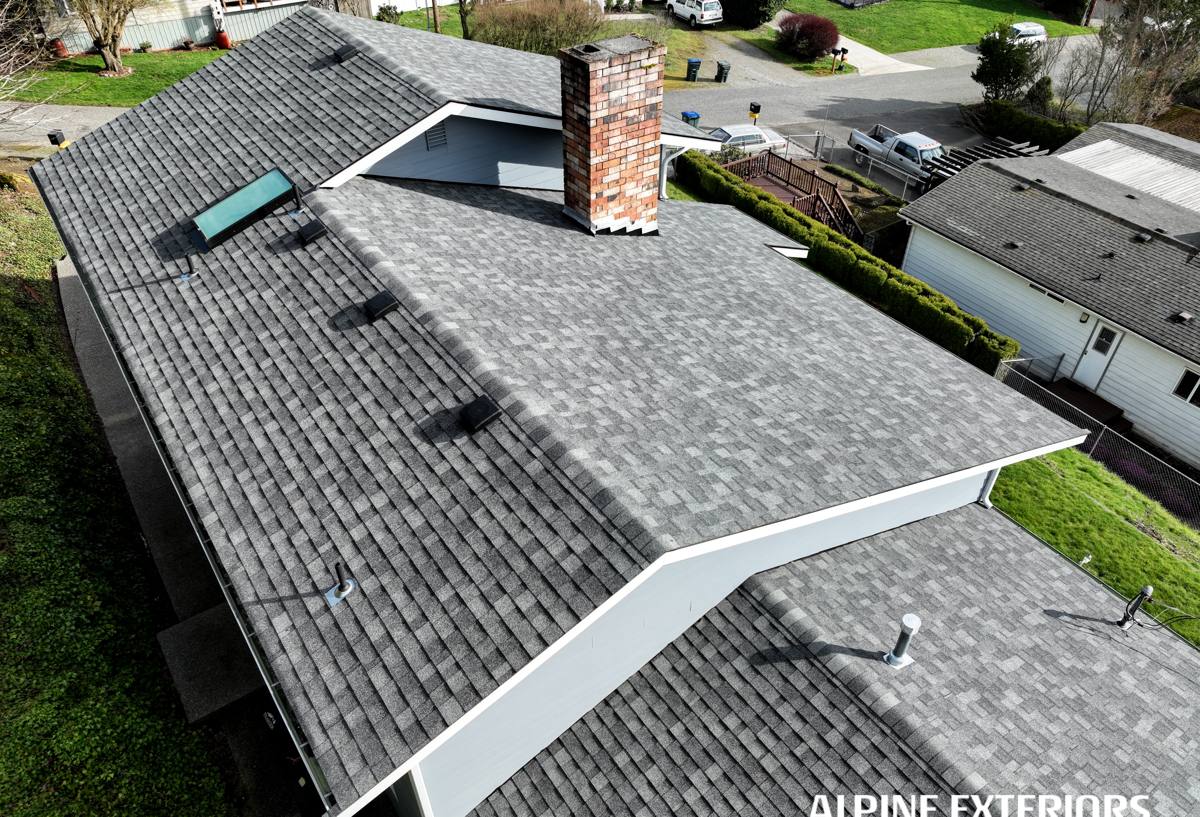
What Salt Air, Driving Rain, and Moss Actually Do to a Roof
Each of these three factors wears on a roof differently, and understanding the mechanism helps explain why some repairs hold up and others fail again within a year or two.
Salt Air and Metal Fatigue
Salt-carrying air accelerates corrosion on exposed metal — flashing, fasteners, vents, and any exposed edges. Galvanized components that would last decades further inland can start showing rust streaks or pitting sooner near the coast. This matters most at repair points, since a patch that reuses old fasteners or unprotected metal is often the first thing to fail.
Driving Rain and Wind-Driven Water
Whatcom County storms don't just drop rain straight down — wind pushes it sideways and up under laps, shingle edges, and flashing that would otherwise shed water fine in a calm rain. Repairs that don't account for wind-driven water tend to leak again during the next real storm, even if they looked watertight on a calm day.
Moss and Prolonged Moisture
Whatcom County's long damp season gives moss and algae plenty of time to establish, especially on north-facing slopes and shaded sections near trees. Moss holds moisture directly against the roofing material, keeps that spot from drying out between rain events, and can lift shingle edges as it grows. Over time this turns a small, healthy roof section into one that's constantly wet and more prone to leaks and granule loss.
Signs a Ferndale Roof Needs Repair Now
Some roof problems are obvious. Others show up as small, easy-to-miss signals first. Watch for these:
- Granules collecting in gutters or downspouts, especially after a storm
- Dark streaking or thick moss patches on north-facing or shaded roof slopes
- Curling, cracked, or lifted shingle edges near eaves or valleys
- Rust staining around vent pipes, flashing, or exposed fasteners
- Water stains or discoloration on interior ceilings, especially after wind-driven storms
- Soft or spongy-feeling spots when walking a low-slope section
- Daylight visible through the roof deck from inside an attic
- Flashing that looks separated, bent, or loosely sealed around chimneys and skylights
None of these guarantee a full replacement is needed. Most of them are exactly the kind of thing a targeted repair addresses well, as long as it's caught before it spreads to the decking underneath.
What a Correct Repair Actually Involves
A roof repair that actually holds up isn't just about patching the spot you can see. It's about understanding why that spot failed and making sure the fix addresses the cause, not just the symptom.
Diagnosis Before Patching
Before any material comes off or goes on, the area gets checked from both outside and, when accessible, from the attic side. A leak's entry point and its visible interior stain are often several feet apart, since water travels along the deck or rafters before it shows up. Patching only the visible spot without tracing the actual path is one of the most common reasons repairs fail to hold.
Matching Materials and Aging
New shingles or metal panels installed next to weathered ones will always look and perform slightly differently at first. A good repair accounts for this — matching profile, color family, and fastening pattern as closely as possible, and being upfront that some visual difference is normal until the new material weathers in.
Flashing and Sealing for Wind-Driven Rain
Given how much of this area's rain comes in sideways, flashing detail work matters more here than in calmer climates. That means proper step flashing at walls and chimneys, correctly lapped underlayment, and sealant used as a backup, not as the primary defense. A repair that leans on caulk alone to stop water is a short-term fix, not a correct one.
Checking Ventilation While We're Up There
Poor attic ventilation traps moisture underneath the roof deck, which contributes to premature aging from the inside out — a factor that compounds everything the weather is already doing from outside. When we're already on the roof for a repair, we check ventilation and flag it if it looks like a contributing issue, rather than treating it as a separate problem to discover later.
Repair or Replace? What Actually Decides It
Homeowners often assume any leak means a full roof replacement, or the opposite — that a repair will always be the cheaper, simpler answer. Neither assumption is reliable. The right call depends on a handful of concrete factors.
| Factor | Favors Repair | Favors Replacement |
|---|---|---|
| Roof age | Under roughly 2/3 of expected material lifespan | At or past expected lifespan for the material |
| Extent of damage | Isolated to one section or penetration point | Spread across multiple slopes or widespread granule loss |
| Decking condition | Solid, dry decking under the damaged area | Soft, rotted, or repeatedly wet decking |
| Moss/algae history | First occurrence, treatable | Chronic, recurring despite past cleaning |
| Underlayment condition | Intact in unaffected areas | Brittle or failing throughout |
We'll always walk you through where your roof lands on these factors honestly, including telling you when a repair is genuinely the right call and a full replacement would be unnecessary spending.
Our Process, From Call to Cleanup
Inspection
We come out, get on the roof (weather permitting) or use a ladder and binoculars when conditions don't allow safe walking, and document what we find — including areas that look fine, so you know the full picture, not just the problem spot.
Straightforward Estimate
You get a written estimate that explains what needs to happen and why, broken down by material and labor where relevant. No pressure to upgrade to a full replacement if the repair is the honest answer.
Repair Day
We work efficiently and clean up as we go — old material, fasteners, and debris don't get left in gutters or on the lawn. If we find something unexpected once we open up the area (rotted decking, for example), we stop and talk to you before proceeding rather than making that call unilaterally.
Follow-Up
After the repair, we let you know what to keep an eye on and roughly when it's worth a follow-up look, particularly for moss-prone sections that may need periodic attention rather than a one-time fix.
Why a Crew That Already Works Ferndale Matters
Roofing crews that mostly work drier, inland climates sometimes underestimate what Whatcom County weather does to a repair over its first year. A crew that regularly works Ferndale and the surrounding Sudden Valley area already accounts for wind-driven rain angles, knows which slopes in this region tend to hold moss longest, and isn't guessing about how salt air affects metal components near the coast. That familiarity shows up in fewer callbacks and repairs that hold through their first real winter, not just their first dry week.
Moss Management Between Repairs
A repair addresses existing damage, but moss will come back if nothing changes about the conditions that let it grow in the first place — usually shade, debris buildup, and standing moisture. Periodic gentle cleaning (not pressure washing, which can strip granules and shorten shingle life), keeping gutters clear so water isn't sitting against roof edges, and trimming back overhanging branches where practical all reduce how fast moss reestablishes. We're happy to point out which specific areas of your roof are most at risk during an inspection.
Materials We Work With
Most Ferndale repairs we handle involve asphalt shingle or metal roofing, since those make up the large majority of homes in this area. For asphalt, matching granule color and profile as closely as possible keeps a repair from standing out. For metal, we pay particular attention to fastener and flashing material given how salt air accelerates corrosion on lower-grade hardware — using components rated for coastal exposure costs a bit more upfront but avoids repeat failures at the same spot a few years down the road. We'll always explain the material trade-offs for your specific roof rather than defaulting to whatever's easiest to install.
If you're seeing any of the warning signs above, or just want an honest read on whether your roof needs a repair at all, we're glad to come take a look. The estimate is free, there's no pressure to act on it immediately, and you'll get a straight answer about what your roof actually needs — use the form below to get started.