 Sudden Valley
 Siding Replacement for Geneva Homes in Sudden Valley
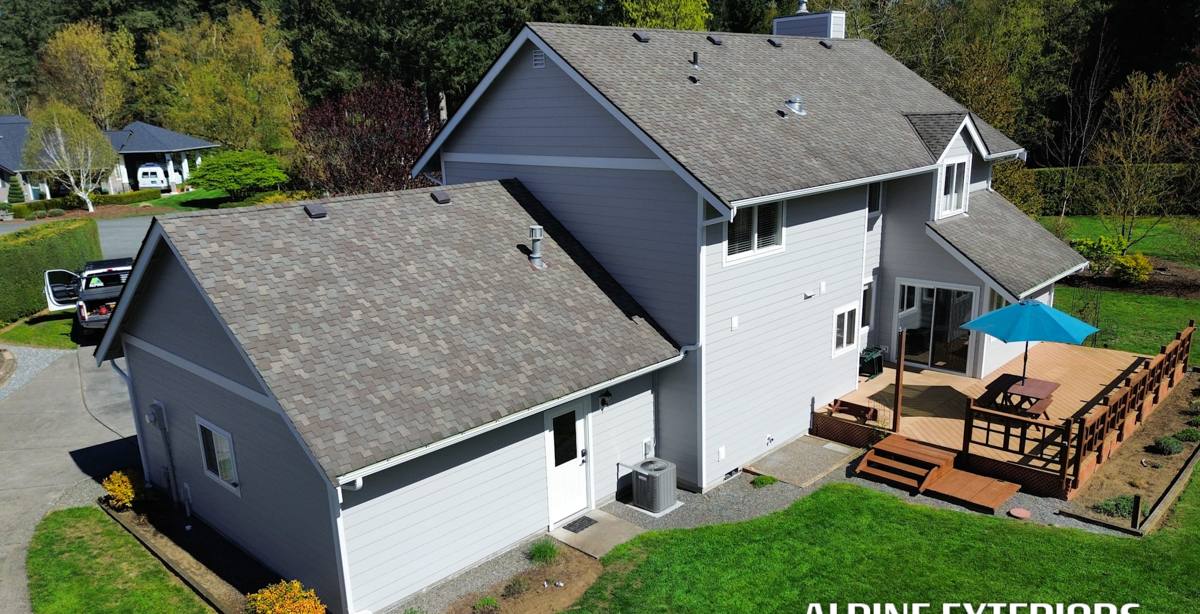
Geneva sits close enough to Lake Whatcom and the surrounding tree cover that its homes take on a specific set of siding problems — problems that look different from what you'd see on a house out in open farmland or downtown Bellingham. If you own a home in this pocket of Sudden Valley, you already know the drill: a north-facing wall that never quite dries out, gutters and trim that grow moss faster than you can clean them, and siding that ages years ahead of its rated lifespan. This page is about what a correct siding replacement looks like here, specifically, and how we approach it as a crew that already works this neighborhood.
Why Geneva's Siding Wears the Way It Does
Whatcom County's marine climate brings three things to Geneva's exterior walls that don't let up for most of the year: salt-tinged air moving up from the Sound, driving rain that comes in sideways during winter storms, and a moss season that can stretch from October through April. None of these are exotic conditions — they're just constant, and constant moisture exposure is what breaks down siding faster than any single storm.
Salt Air and Metal Fasteners
Homes closer to the water pick up airborne salt that settles on siding, trim, and fasteners. Over years, this accelerates corrosion on anything not rated for coastal exposure — cheap staples, uncoated nails, and thin flashing are the first things to fail. It's a slow process, which is exactly why it gets missed until paint starts bubbling around a fastener head or a trim board starts to swell from the inside out.
Driving Rain and Wall Assemblies
Wind-driven rain doesn't just wet the face of your siding — it pushes moisture into every seam, lap joint, and butt joint that isn't properly sealed or shingled correctly. On a wall with poor water-shedding detail, that moisture works its way behind the siding and into the sheathing, where it can sit for weeks without ever fully drying, especially on shaded or north-facing elevations common throughout Sudden Valley's tree-lined lots.
Moss, Shade, and Slow Drying
Geneva's tree cover is part of what makes the neighborhood attractive, but it also means a lot of siding never gets direct sun for more than a few hours a day. Moss and algae take hold on any surface that stays damp, and once established, they hold moisture against the siding surface even longer — a self-feeding cycle that eats through paint film and, on wood-based products, the substrate underneath.
What "Correct" Siding Replacement Actually Involves
A siding replacement isn't just stripping old boards and nailing up new ones. Done right, it's a system — and skipping any part of that system is how a house ends up with the same problems five years later, just hidden behind new paint.
Tear-Off and Sheathing Inspection
Once the old siding is off, we inspect the sheathing underneath for soft spots, staining, or rot — especially around window and door openings, where leaks are most common. Any compromised sheathing gets replaced before anything new goes up. This step matters more in a place like Geneva than in a drier climate, because trapped moisture has had more opportunity to do damage over the years.
Weather-Resistive Barrier and Flashing
A correctly installed weather-resistive barrier (housewrap) goes on next, lapped properly from bottom to top so water sheds outward rather than working its way in. Flashing at windows, doors, and any wall penetration gets installed to direct water away from framing — this is one of the most commonly rushed or skipped steps on lower-quality jobs, and it's where the majority of long-term moisture problems originate.
Siding Installation to Manufacturer Spec
Fastener type, spacing, nailing height, and clearance from grade, decks, and roof lines all matter — not as a formality, but because each one affects how the siding performs in wind and rain over time. We install to James Hardie's published specifications, not a shortcut version of them.
Caulking, Trim, and Finish Details
The last stage is where a job either looks and performs like it should for decades, or starts showing seams within a couple of winters. Proper caulking at joints, correctly primed and finished cut edges, and trim that's detailed to shed water rather than trap it — these are small things individually, but they compound over a Pacific Northwest winter.
Our Process for a Geneva Siding Replacement
- Walk and assess: We look at your current siding, trim, and any visible moisture or moss issues, and talk through what we're seeing.
- Written estimate: You get a clear scope and price before any work starts — no surprise change orders for things we should have caught up front.
- Tear-off and sheathing check: Old siding comes off, sheathing gets inspected and repaired where needed.
- Weather barrier and flashing: Housewrap and flashing go in correctly before a single piece of siding is hung.
- Hardie installation: Siding goes up to manufacturer spec, with attention to fastening, clearances, and joint treatment.
- Finish and walkthrough: Caulking, trim, and paint touch-ups are completed, and we walk the job with you before calling it done.
Why We Install Only James Hardie Fiber Cement
We don't install vinyl, LP SmartSide, primed spruce, cedar, or other fiber cement brands. That's a deliberate standard, not a limitation of what we know how to install. Vinyl siding can warp, fade, and its seams give moisture an easy path in a climate with as much driving rain as Whatcom County sees. Wood-based products like LP SmartSide and cedar rely on maintaining an intact factory or field-applied coating to keep moisture out — and in a neighborhood with Geneva's shade and moss exposure, that coating gets challenged constantly. Once it's compromised, wood-based substrates can swell, delaminate, or rot from the inside, often before the damage is visible from the outside.
James Hardie fiber cement is non-combustible, doesn't support moss and algae growth the way wood-based products do, and holds its factory-applied ColorPlus finish far longer than field-painted alternatives — which matters in a climate that doesn't give paint much of a break between rain events. Hardie's HZ5 product line is engineered specifically for climates with more moisture exposure, which describes Geneva and the rest of Sudden Valley well. It's also backed by a strong transferable warranty, which protects you if you sell the home before the siding's functional life is up.
Comparing Siding Options for a Geneva Home
| Factor | James Hardie Fiber Cement | Vinyl | Wood-Based (LP/Cedar) |
|---|---|---|---|
| Moisture resistance | High — engineered composition, doesn't absorb and swell | Moderate — seams can let water behind panels | Depends on coating integrity; vulnerable once breached |
| Moss/algae resistance | High — non-organic substrate | Moderate | Lower — organic substrate feeds growth if damp |
| Fire resistance | Non-combustible | Melts/deforms under heat | Combustible |
| Finish longevity | Factory ColorPlus, long fade resistance | Can fade and become brittle over time | Field-applied coatings need more frequent maintenance |
| Typical lifespan (installed to spec) | 30+ years | 20-30 years | Varies widely with maintenance |
Cost Factors for a Geneva Siding Job
Every home is different, but the same handful of factors drive most of the price variation we see on Sudden Valley siding jobs:
- Square footage and wall complexity: More corners, gables, and dormers mean more cuts and labor time.
- Sheathing condition: Hidden rot or water damage found during tear-off adds repair scope you can't always see from the outside.
- Siding profile and trim detail: Lap width, board-and-batten sections, and trim complexity all affect material and labor.
- Access and site conditions: Steep lots, limited driveway access, or heavy tree cover near the house can affect staging and scaffolding needs.
- Window and door count: Each opening needs flashing and trim work, which adds time regardless of overall square footage.
We give you a real number after walking the property — not a generic per-square-foot rule that ignores what's actually happening on your walls.
Signs Your Geneva Home May Need Siding Replacement
- Persistent moss or algae staining that comes back within weeks of cleaning
- Soft or spongy spots when you press on siding, especially near the bottom of walls or around windows
- Paint that's peeling, bubbling, or failing faster than a normal repaint cycle would suggest
- Visible warping, cupping, or separation at panel seams
- Rising energy bills that track with drafts or cold spots near exterior walls
- Siding that's original to a home built more than 20-25 years ago, especially wood-based products
Why a Crew That Already Works Geneva Matters
Siding installation is detail work, and the details that matter most are exactly the ones tied to local conditions — how much shade a wall gets, how the property sits relative to prevailing wind and rain direction, and what moisture patterns show up on homes nearby. A crew that's worked Sudden Valley knows what to check first walking up to a Geneva house, and that translates into a more accurate estimate and fewer surprises once tear-off starts. It also means we're a known, findable local business if you have a question five years down the road — not a name that only shows up in the area for a single job.
If your Geneva home's siding is showing its age or you're just planning ahead, we'll come take a look and give you a straight, no-pressure estimate. Fill out the form below and we'll get in touch.