 Sudden Valley
 Why South Hill Siding Wears Differently Than It Does Elsewhere
South Hill sits inside the same Whatcom County weather system that makes the Sudden Valley area beautiful and hard on exterior building materials at the same time. Homes here spend most of the year damp — not from any single storm, but from a steady drip of marine air, shaded tree cover, and rain that comes in sideways as often as it falls straight down. Siding that would hold up fine in a drier inland climate can start showing problems in five to eight years out here. Siding replacement on South Hill isn't just a cosmetic project; it's a decision about which material and which installation details will actually hold up against the specific conditions this hillside deals with year-round.
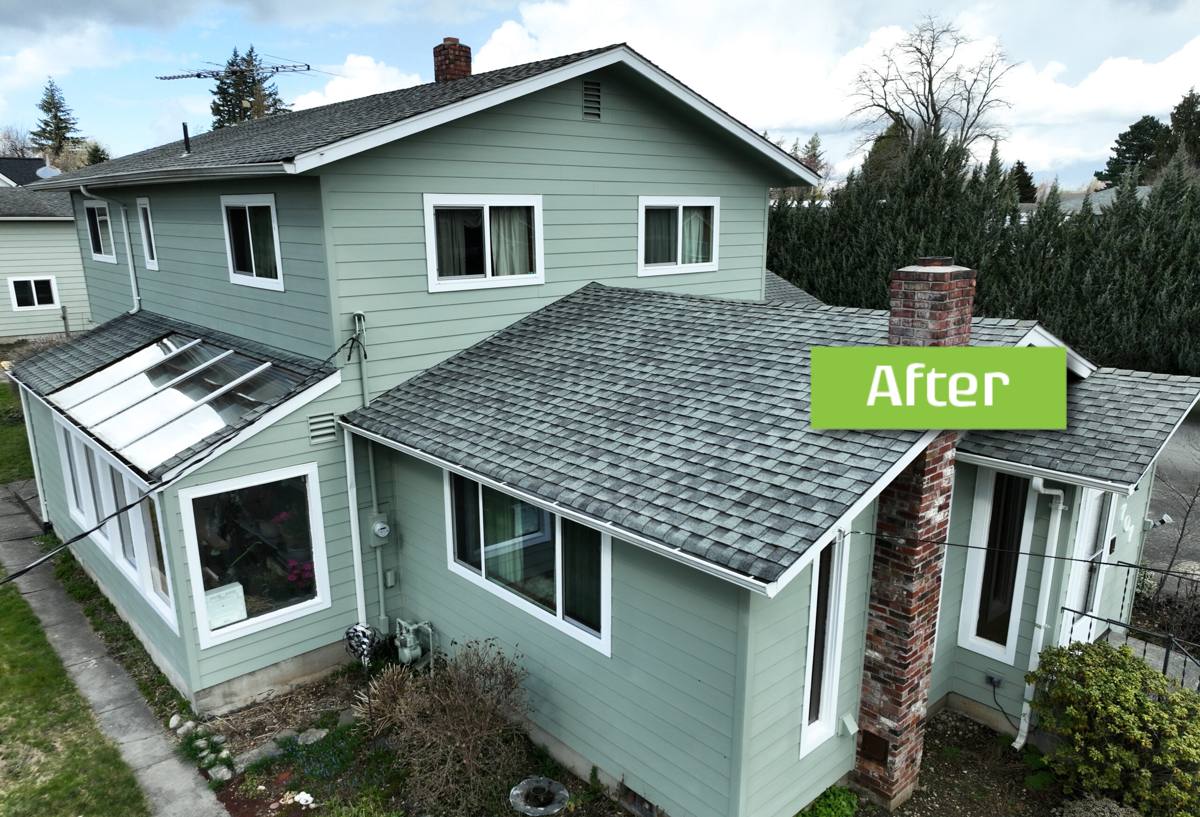
What the Local Climate Actually Does to Siding
Salt Air and Marine Moisture
Proximity to the Puget Sound air mass means homes in this part of Whatcom County take on a low but constant dose of salt-laden moisture. That moisture works its way into seams, fastener heads, and any spot where paint or factory finish has thinned. Over time it accelerates corrosion on fasteners and trim hardware and breaks down finishes that aren't rated for it — which is a big part of why we're picky about what goes on a wall out here in the first place.
Driving Rain and Wind-Driven Exposure
Rain in this region rarely just falls — wind pushes it sideways into wall assemblies, especially on gable ends and any elevation that faces open exposure. Driving rain finds every gap in a weather-resistive barrier, every under-flashed window, and every siding joint that wasn't lapped correctly. A siding replacement has to treat water management as the main event, not an afterthought behind the visible finish.
The Long Moss Season
Between the tree canopy common around Sudden Valley and the extended stretch of wet, mild months, moss and algae get a long runway to establish themselves on north-facing and shaded walls. Once organic growth takes hold on a porous or absorbent siding material, it holds moisture against the surface and speeds up whatever decay process is already underway. Siding that resists moisture absorption gives moss less to grab onto and makes routine cleaning far less destructive.
Signs a South Hill Home Needs Replacement, Not Just Repair
Not every siding problem calls for a full tear-off. But on a home dealing with this climate, certain signs mean patching is just delaying a bigger bill.
- Soft or spongy spots when you press on the siding, especially near the bottom courses and around window trim
- Persistent black or green staining that comes back within weeks of cleaning
- Paint that's bubbling, peeling, or won't hold a new coat for more than a season or two
- Visible gaps, warping, or cupping in individual boards or panels
- A musty smell in rooms along an exterior wall, which often points to moisture already inside the wall assembly
- Siding that's original to a home built more than 20-25 years ago, especially if it was never a fiber cement product
- Repeated localized repairs that never seem to fully solve the problem
What a Correct Siding Replacement Actually Involves
Tear-Off and What's Underneath
Pulling the old siding is also the only real chance to check the sheathing underneath. On homes that have been holding moisture, this is where a crew finds soft OSB, rusted old fasteners, or framing that needs attention before anything new goes on. Skipping this inspection — or rushing past it — is how a new siding job ends up covering a problem instead of fixing it.
Weather-Resistive Barrier and Flashing
Given how much driving rain this area sees, the housewrap and flashing details matter as much as the siding itself. Every window, door, and penetration needs flashing that's lapped correctly so water sheds outward and down, never inward. This is the layer nobody sees once the job is done, and it's also the layer that decides whether the wall stays dry for the next few decades.
Fastening and Clearances
Fiber cement siding has specific fastening requirements — nail placement, spacing, and depth all affect how the material performs over time. Ground clearance and clearance from roof lines, decks, and hardscaping also matter more here than in a drier climate, since standing moisture at the base of a wall is exactly the kind of exposure that leads to early failure.
Finish and Caulking
The finish coat and the caulking at joints and trim are the first line of defense against salt air and UV. A factory-applied finish that's engineered to resist moisture and color fade outperforms field-applied paint over the long run, particularly on a home that's going to sit under tree cover and take on moisture most of the year.
Why We Only Install James Hardie Fiber Cement
We made a standing decision to install James Hardie fiber cement siding exclusively, and it comes down to how different materials actually perform in a climate like this one, not just how they look on day one.
| Material | How It Handles Sustained Moisture | Moss/Algae Resistance | Long-Term Maintenance |
|---|---|---|---|
| James Hardie fiber cement | Non-combustible, engineered to resist moisture-driven warping and swelling | Dense, low-absorption surface gives organic growth less to hold onto | Factory ColorPlus finish holds up for years; occasional cleaning |
| Vinyl siding | Can warp or bow with heat/cold cycling; seams are a moisture entry point | Smooth surface helps somewhat, but seams and J-channels trap debris | Low upkeep but limited repair options once damaged or faded |
| LP SmartSide (engineered wood) | Wood-based core is more vulnerable to prolonged moisture exposure than fiber cement | More absorbent surface than fiber cement in shaded, damp conditions | Depends on consistent caulk and paint maintenance to perform as designed |
| Cedar / primed spruce | Natural wood movement and moisture uptake require ongoing vigilance | Organic material is naturally more susceptible to moss and rot over time | Regular refinishing needed to keep ahead of this climate |
Every one of those products has legitimate uses and reasonable people choose them. But for what this specific hillside throws at a wall assembly — sustained dampness, salt air, and long stretches of shade — we'd rather stand behind one product system we know performs to spec than install something we'd be second-guessing five years later. James Hardie's HZ10 product line is engineered specifically for high-moisture, marine-influenced climates like western Washington, backed by a strong transferable warranty when installed correctly.
How We Approach a South Hill Job
Working this specific area regularly means we already account for things that catch outside crews off guard: narrow access on some lots, tree cover that keeps a work area wet longer after rain, and the reality that timing a tear-off wrong can leave a wall exposed during exactly the wrong week of weather. Our process on a South Hill siding replacement typically runs like this:
- On-site assessment of existing siding, sheathing condition, and moisture exposure by elevation
- A written scope that specifies siding profile, flashing details, and fastening schedule — not just "replace siding"
- Scheduling built around realistic weather windows so sheathing isn't left exposed longer than necessary
- Tear-off with inspection of framing and sheathing before anything new goes up
- Installation of weather-resistive barrier, flashing, and James Hardie siding to manufacturer spec
- Final walkthrough covering what maintenance the new siding actually needs going forward
Cost Factors for a South Hill Siding Replacement
Every home is different, and we don't quote a job without walking it first. But the honest cost drivers on a project like this tend to fall into the same categories.
| Factor | Why It Moves the Price |
|---|---|
| Home size and wall complexity | More square footage and more corners, gables, and cutouts mean more labor and material |
| Sheathing or framing repair | Moisture damage found during tear-off has to be addressed before new siding goes on |
| Siding profile and trim package | Lap width, shingle-style panels, and trim detailing all affect material and labor cost |
| Access and site conditions | Tree cover, slope, and tight access can slow staging and disposal |
| Number of elevations exposed to weather | Sides facing prevailing wind and rain often need more careful flashing work |
Caring for New Siding on a Home Like This
Fiber cement siding is low-maintenance, not no-maintenance. On a shaded, damp lot, a few habits go a long way toward protecting the investment:
- Rinse siding gently once or twice a year to keep moss and algae from establishing, especially on north-facing walls
- Keep gutters clear so overflow isn't running down the siding face during heavy rain
- Trim back vegetation that's holding moisture or shade directly against a wall
- Check caulking at trim and window joints periodically and re-caulk if it's cracking or pulling away
- Address any impact damage promptly rather than letting a small chip become a moisture entry point
Why Local Experience Matters More Than It Seems
A crew that already works South Hill and the surrounding Sudden Valley area knows what this specific microclimate does to a wall — which elevations take the worst of the driving rain, how long shaded sections stay wet after a storm, and what kind of moisture damage shows up most often when siding was installed without accounting for any of that. Homes in planned communities like this one may also fall under association design guidelines for exterior changes, which is worth checking before work begins. Hiring a contractor who's already familiar with the area's realities means fewer surprises mid-project and a job that's built for the conditions it will actually face, not generic conditions from a manual.
If your South Hill home's siding is showing its age, we're happy to take a look and give you a straight, no-pressure assessment of what it needs. Use the form below to request a free estimate.