 Sudden Valley
 Windows in South Hill Work Harder Than Most
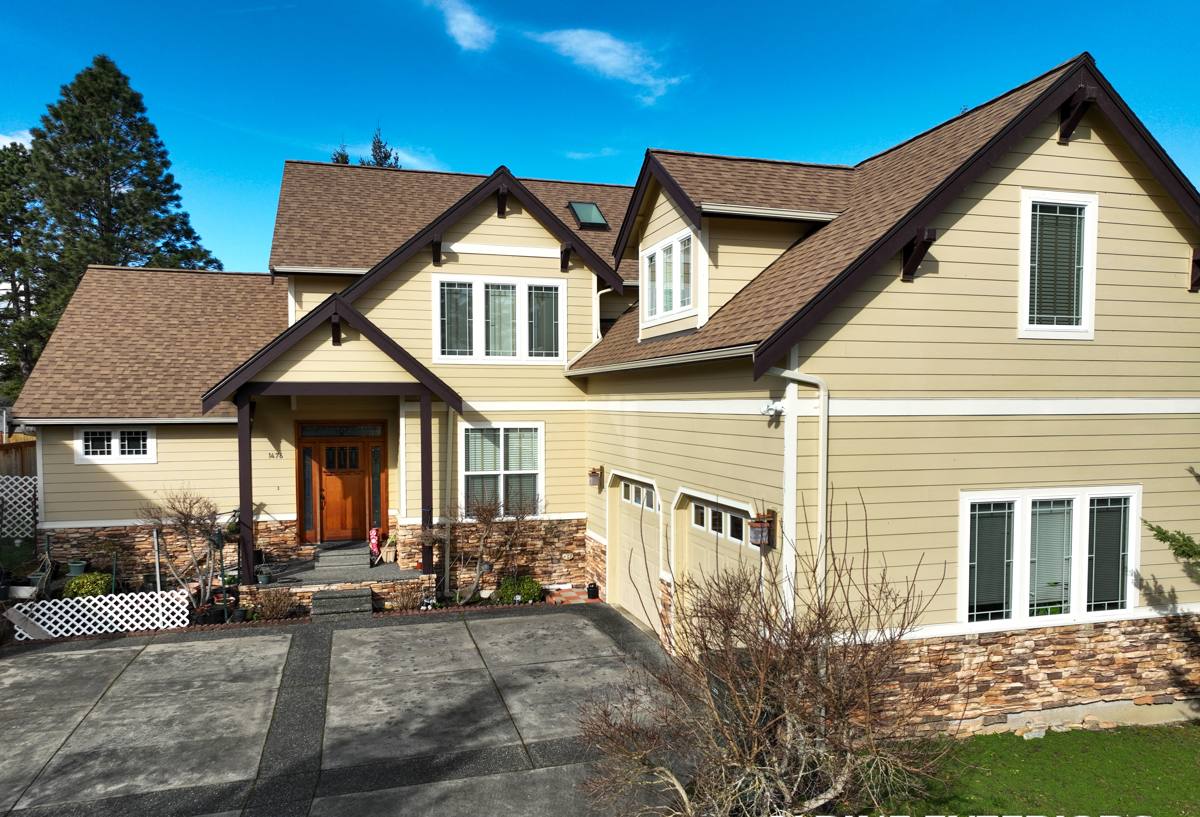
Homes in South Hill, in and around Sudden Valley, sit in a stretch of Whatcom County where the weather doesn't let up for long. Moist air off the water, wind-driven rain that comes in sideways more often than straight down, and a moss season that can run half the year all put steady pressure on anything mounted in an exterior wall. Windows take the worst of it — they're the one part of the envelope with moving parts, seals, and glass, and they're usually the first place a house starts telling you something's wrong.
A window that was fine ten or fifteen years ago isn't necessarily fine now. Seals age, wood sashes swell and shrink with every wet-dry cycle, and old flashing details that were "good enough" when the house was built often weren't built to handle the volume of water this area sees today. Replacing windows here isn't just a cosmetic upgrade — it's about getting the water management right so the rest of the wall stays dry.
What Salt Air, Driving Rain, and Moss Actually Do to a Window
Salt Air and Moisture
Airborne salt and moisture accelerate corrosion on hardware, hinges, and cheaper aluminum components. It also breaks down sealants and finishes faster than they'd wear in a dry inland climate, which is why a window that looks fine from the yard can still be failing at the seal.
Driving Rain
Rain that comes in at an angle doesn't just hit the glass — it gets pushed up under trim, into gaps around the frame, and behind flashing that isn't lapped correctly. Over time, that's how you end up with rot in the framing around a window that was never visibly leaking from the inside.
Moss and Prolonged Dampness
A long moss season means extended stretches where wood trim, sills, and siding around a window simply never fully dry out. That constant dampness is what lets rot take hold in old wood sills and jambs, and it's a major reason we pay close attention to drainage and ventilation details, not just the window unit itself.
Signs a South Hill Home Needs New Windows, Not Just a Repair
- Fogging or a hazy film between panes — the seal on a double- or triple-pane unit has failed and moisture is trapped inside the glass
- Drafts you can feel near the frame, especially during a windy rain
- Wood trim or sills that are soft, discolored, or show early rot when pressed
- Windows that stick, won't latch fully, or have dropped out of square
- Visible daylight or gaps between the frame and the siding or trim
- Condensation forming on the inside of the glass regularly, even with normal ventilation
- Paint or finish peeling specifically around the window opening, not the rest of the wall
Some of these are repairable. Failed hardware or a worn weatherstrip doesn't always mean full replacement. But once rot has reached the framing, or a sealed unit has failed, patching it is usually a short-term fix that costs more in the long run than doing the job right once.
What a Correct Window Replacement Actually Involves
Setting a new window in the opening is the easy part. The work that determines whether it lasts happens around it.
Removal and Opening Inspection
Once the old window is out, we check the framing, sill, and sheathing for hidden rot or moisture damage before anything new goes in. This is often where problems that caused the original failure get found — and it's the point where they need to be fixed, not covered over.
Flashing and Drainage
Proper flashing directs water down and out, away from the framing, using a shingled, lapped sequence at the sill, jambs, and head so each layer sheds water onto the one below it. This detail matters more here than in a drier climate, because it's what stands between a heavy, wind-driven rain and a wet wall cavity.
Air Sealing and Insulation
The gap between the window frame and the rough opening gets sealed and insulated correctly — not just stuffed with whatever's handy. Done wrong, this is a common source of both drafts and moisture problems down the road.
Trim and Finish Work
Exterior trim gets reinstalled or replaced with attention to how it sheds water, not just how it looks. A finish detail that traps moisture against wood trim is exactly the kind of thing that shortens a window's life in a climate with a long moss season.
Choosing the Right Window for This Climate
There's no single "best" window material — the right choice depends on budget, how much upkeep you want to do, and how exposed the wall is to wind and rain. Here's how the common options generally compare for a home in this area.
| Frame Material | Moisture Resistance | Maintenance | Typical Lifespan |
|---|---|---|---|
| Vinyl | Very good — won't rot, resists corrosion | Low — occasional cleaning | 20-30+ years |
| Fiberglass | Excellent — dimensionally stable in wet/dry cycles | Low | 30-40+ years |
| Wood | Good if maintained; vulnerable if finish fails | High — regular painting/sealing needed | Varies widely with upkeep |
| Wood-Clad | Good — exterior clad resists weather, interior wood look | Moderate | 20-30+ years |
| Aluminum | Fair — prone to condensation and corrosion near moisture | Moderate | 20-25 years |
For most South Hill homes, we lean toward vinyl or fiberglass frames for their resistance to the moisture and wet-dry cycling this climate produces. That's a professional recommendation based on trade-offs in maintenance and moisture performance, not a knock on wood or aluminum windows done well — some homeowners have style or budget reasons that make a different material the right call, and we'll walk through those trade-offs honestly rather than push one option.
Glass and Performance Options Worth Knowing
Beyond the frame, a few glass and hardware details matter more here than in a milder climate:
- Double- or triple-pane, argon-filled glass — better insulation value and less condensation risk on cold, damp days
- Low-E coatings — help manage heat loss without darkening the glass noticeably
- Corrosion-resistant hardware — worth the upgrade given the moisture exposure; cheaper hardware tends to fail first
- Proper weep holes — small drainage channels at the sill that let any water that does get in drain back out, rather than pool
How We Approach a Window Job in South Hill
- Walk-through and estimate — we look at each window's condition, the surrounding trim and framing, and talk through material and budget options with no pressure to upsell
- Detailed scope — you get a clear written plan covering materials, flashing approach, and any framing repair we expect to need
- Removal and inspection — old units come out and we assess the opening before installing anything new
- Installation — window set level and square, flashed and sealed per the sequence above
- Trim and finish — exterior trim completed with attention to drainage, not just appearance
- Walkthrough — we go over the finished work with you before calling the job done
What Drives the Cost of a Window Replacement
Every home is different, so we won't put a number on a job we haven't looked at — but these are the factors that generally move the price up or down:
| Factor | Why It Matters |
|---|---|
| Frame material | Vinyl is typically the most budget-friendly; fiberglass and wood-clad cost more upfront |
| Number and size of windows | Larger openings and specialty shapes cost more per unit |
| Hidden rot or framing damage | Discovered once the old window is out; adds labor and material to repair before the new unit goes in |
| Access and height | Second-story or hard-to-reach windows take more time and equipment |
| Glass package | Triple-pane and upgraded coatings cost more than standard double-pane |
| Trim scope | Full trim replacement costs more than reusing sound existing trim |
Why It Matters That We Already Work in South Hill
A crew that's worked windows throughout Sudden Valley and South Hill has already seen how the local exposure — the wind direction on different lots, how much shade and dampness a north-facing wall holds, what moss buildup does to trim over a few seasons — plays out on real houses in this area. That's not something you get from a general contractor working here for the first time. It shows up in small decisions: how aggressively we flash a particularly exposed wall, which sill details hold up best given the rain patterns, and what to check for on homes of a certain age or construction type common in this neighborhood.
It also means faster, more accurate estimates, because we're not guessing at how the local climate has treated a house — we've seen the pattern before.
Questions Worth Asking Any Contractor Before You Hire
- Will you inspect the framing and sill for rot once the old window is out, before installing the new one?
- What's your flashing sequence, and can you explain it in plain terms?
- Is the estimate itemized, or is it one lump number?
- Are you licensed and insured for exterior work in Washington?
- Do you warranty both the window unit and your installation labor separately?
- Have you worked on homes in this area, and do you know the common issues here?
If your windows in South Hill are drafty, fogged, sticking, or just past their prime, we're happy to take a look and walk you through honest options — no pressure, no upsell. Fill out the form below for a free estimate and we'll get back to you to schedule a time that works.