 Sudden Valley
 Windows in Sunnyland Take a Different Kind of Beating
Sunnyland sits close enough to Bellingham Bay that salt-laden air reaches its window frames and hardware year-round, and close enough to the foothills that it also catches the heavy, sideways rain systems that roll through Whatcom County every fall and winter. Add a long, damp shoulder season where moss and algae get a foothold on anything that stays wet too long, and you've got a climate that is genuinely hard on windows — especially older ones, or ones that were installed without much attention to flashing and sealing details.
This isn't a scare story. Windows can last decades here when they're installed correctly with materials suited to the exposure. The problem is that a lot of window failures we see in this neighborhood aren't really window failures — they're installation failures. The unit itself is fine; the flashing, sill pan, or sealant around it wasn't done right, and moisture found its way in over a few winters.
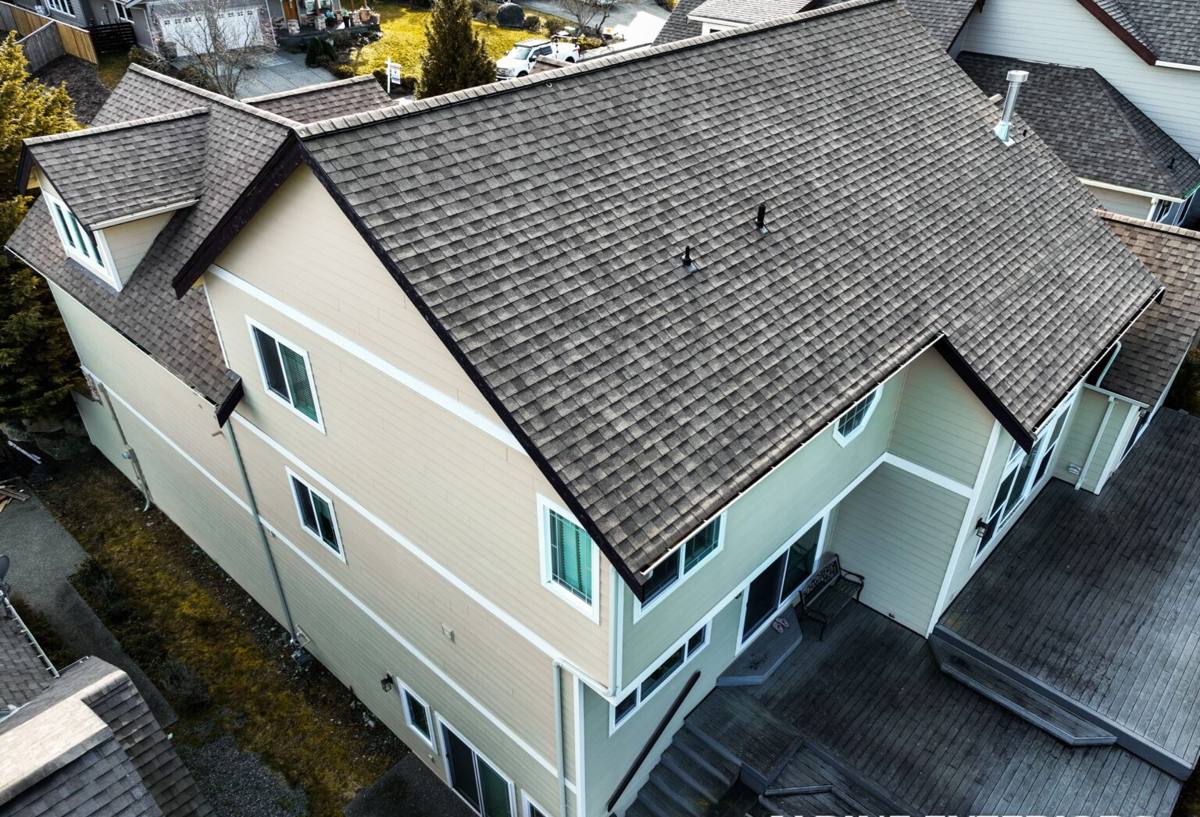
What Constant Damp and Salt Air Actually Do to a Window
Frame and Hardware Wear
Salt air accelerates corrosion on exposed hardware — hinges, locks, and cranks — especially on windows facing west or south where prevailing weather hits directly. Aluminum and lower-grade vinyl hardware can pit and stiffen faster here than in drier inland parts of the county.
Moisture Intrusion at the Weak Points
Driving rain doesn't fall straight down — wind pushes it sideways and up under trim, sills, and poorly lapped flashing. A window that would be fine in a calm, dry climate can leak here if the water-resistive barrier and flashing weren't integrated correctly during installation.
Moss, Algae, and Trapped Moisture
Shaded north and east elevations, common in tree-lined Sunnyland yards, stay damp longer. Moss and algae growth on nearby siding and trim holds moisture against the wall assembly, which can wick into window openings if the surrounding seal isn't tight.
Wood Rot Around Older Frames
Many homes in this part of Bellingham still have original wood-frame windows or early vinyl replacements from decades back. Once the exterior seal fails, the sill and jamb framing behind it can sit wet for months at a time, which is how a small leak becomes a rot repair.
Signs It's Time to Replace, Not Patch
- Fogging or a visible film between the panes of a double-pane window — the seal has failed and can't be repaired
- Soft, spongy, or discolored wood at the sill or lower corners of the frame
- Windows that are hard to open, close, or lock, especially after seasonal temperature swings
- Visible daylight or a noticeable draft around the frame when it's windy
- Paint or caulk that keeps failing in the same spot no matter how often it's touched up
- Noticeably higher heating bills with no other explanation
What a Correct Window Installation Actually Involves
Swapping a window is easy. Installing one so it stays watertight through a Whatcom County winter takes more care. Here's what we consider non-negotiable on every job:
- Sill pan flashing — a sloped, sealed pan under the window opening so any water that does get past the exterior seal drains back out instead of pooling on the framing.
- Proper flashing sequence — flashing tape and building paper lapped shingle-style (upper layers over lower layers) so water always sheds downward and outward, never into the wall.
- Correct shimming and leveling — a window that's out of square stresses the seal and hardware over time, which shows up as leaks and operating problems years later.
- Backer rod and sealant, not just caulk — gaps between the window and rough opening get insulated and sealed properly, not just smeared over with a bead of caulk.
- Trim and drip cap detailing — the trim above the window needs to actually shed water away from the top of the frame, not funnel it toward the seams.
Skip any one of these steps and the window itself doesn't matter — you'll get moisture problems eventually, regardless of brand or price point.
Choosing the Right Window for This Climate
There's no single "best" window material — it depends on your home's exposure, budget, and how much upkeep you want to do. Here's how the common options compare for a home in Sunnyland's climate:
| Material | How It Handles Salt Air & Rain | Maintenance | Typical Lifespan |
|---|---|---|---|
| Vinyl | Won't rot or corrode; performs well in coastal-adjacent moisture | Low — occasional cleaning | 20–30 years |
| Fiberglass | Very stable, resists warping from repeated wet/dry cycles | Low | 30+ years |
| Aluminum | Prone to corrosion and condensation in salt-exposed, damp climates | Moderate — hardware needs attention | 15–25 years, shorter near salt air |
| Wood (clad exterior) | Good performance if the cladding seal is intact; vulnerable once it fails | Higher — seal and paint checks matter | 20–40 years, exposure-dependent |
For most Sunnyland homes, we lean toward vinyl or fiberglass on exposed elevations because they simply don't give moisture and salt air anything to work with. Wood-clad windows can still be a good fit on more protected walls, or where matching an existing architectural look matters more than minimizing upkeep — that's a conversation we're glad to have honestly, including the trade-offs, rather than steering you toward whatever's easiest for us to install.
Our Installation Process
We keep the process straightforward and don't cut corners on the steps that actually determine whether a window performs in this climate:
- On-site assessment — we look at existing window condition, framing, exposure to wind and rain, and any early rot or moisture signs before quoting anything.
- Accurate measurement and ordering — windows are ordered to the actual rough opening, not a generic size, to avoid gaps that get filled with excess caulk instead of proper insulation.
- Removal and opening inspection — once the old window is out, we check the framing underneath for hidden rot or moisture damage before installing anything new.
- Flashing and sealing per the sequence above — sill pan, house wrap integration, backer rod, and sealant, done in the right order.
- Interior and exterior trim finishing — trim is set to shed water and match your home's existing look.
- Final operational check — every window is opened, closed, and locked to confirm it operates smoothly before we call the job done.
What Affects the Cost
Every home and window count is different, so we'd rather walk your property and give you real numbers than throw out a figure that doesn't apply. In general, cost depends on:
| Factor | Why It Matters |
|---|---|
| Window material and glass package | Vinyl, fiberglass, and wood-clad windows carry different material costs; double vs. triple glazing changes both price and performance |
| Number of openings and sizes | Larger or custom-sized windows cost more per unit than standard sizes |
| Condition of existing framing | Hidden rot found during removal adds repair work before the new window can go in |
| Access and elevation | Second-story or hard-to-reach windows take more time and equipment |
| Trim and exterior finish work | Matching existing trim profiles or siding cuts adds labor |
We'll always separate "this is what the window replacement costs" from "this is what we found and need to fix" so you're not guessing what a quote actually covers.
Why It Matters to Hire a Crew That Already Works Sunnyland
A window installer working from a generic, one-size-fits-all playbook can put in a technically fine window that still fails here — because the flashing detail that works in a dry inland climate isn't enough for wind-driven rain off the bay. Working regularly in Sunnyland and the surrounding Whatcom County neighborhoods means we've seen how local exposure — tree cover, elevation, prevailing wind direction — plays out on real homes over real winters, and we build our installation approach around that, not around a manual written for somewhere else.
It also means faster response if something does come up after installation. A crew that's already familiar with the neighborhood's housing stock and common construction details isn't starting from scratch on a callback.
Keeping New Windows Performing Long-Term
- Rinse frames and tracks periodically to clear salt residue and grit before it works into hardware
- Check and clear weep holes on vinyl and aluminum windows so water can drain properly
- Inspect exterior caulk and sealant lines once a year, especially after a hard winter
- Trim back vegetation that keeps a window shaded and damp longer than the rest of the house
- Address any soft trim or peeling paint near a window promptly rather than waiting
If your Sunnyland home has windows that are drafty, fogged, hard to operate, or original to a build from decades ago, it's worth getting a straight opinion on what's actually going on before you decide whether to repair or replace. We offer free, no-pressure estimates — walk the property with us, ask questions, and get honest answers about what your windows need. Use the form below to get started.