 Sudden Valley
 Roof Repair Built for Yew Street's Weather, Not a Generic Climate
Yew Street sits inside the broader Sudden Valley community in Whatcom County, and roofs here don't age the same way roofs age in drier parts of the state. The combination of salt-laden air drifting in off the water, long stretches of driving rain, and a moss season that can run for months rather than weeks means a roof repair here has to solve for more than a single leak. It has to hold up under conditions that never really let the roof dry out completely.
A patch job that would be fine in a dry climate can fail fast here if it doesn't account for how water actually moves across a roof during a sustained Pacific Northwest rain event, or how quickly moss can re-establish itself on a north-facing slope that barely sees sun from October through April. We approach every Yew Street repair with that reality built in from the start.
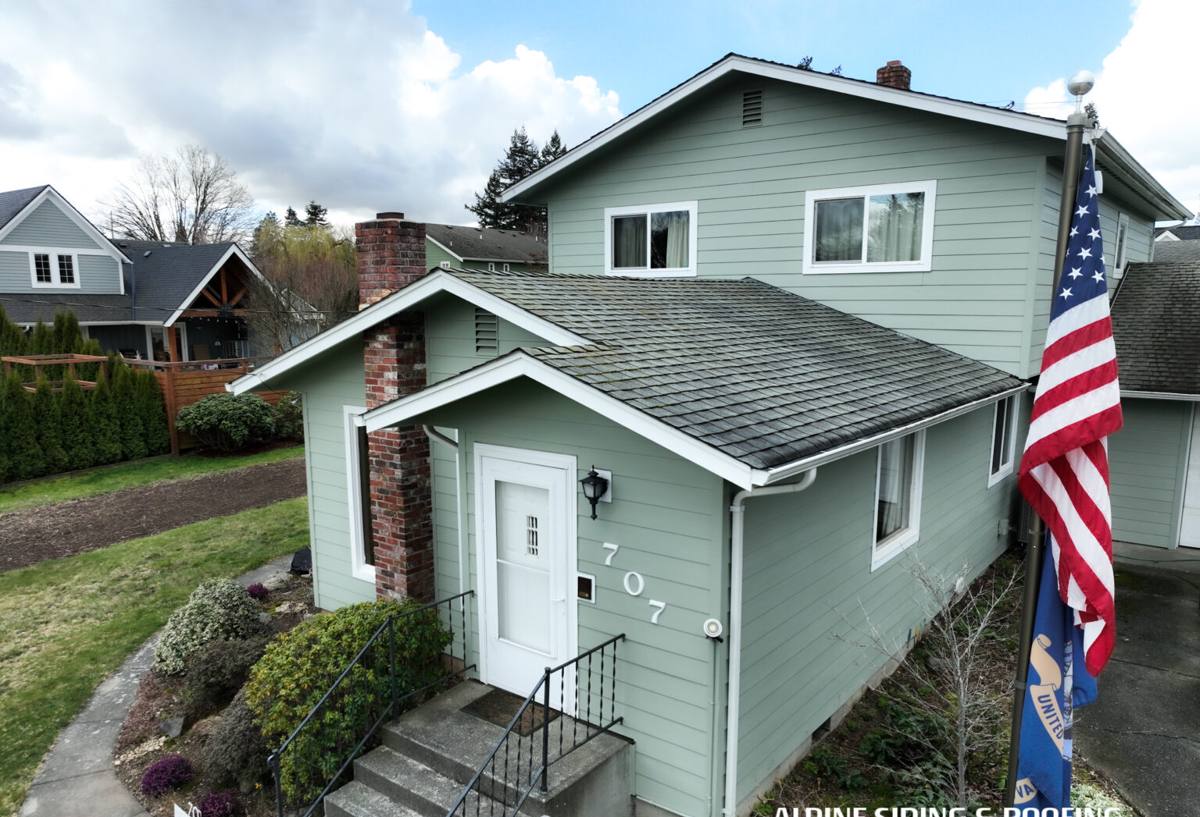
Why Local Conditions Change What "Correct" Repair Means
Whatcom County's coastal-influenced climate brings a few specific stresses that show up again and again on the roofs we inspect in and around Yew Street:
- Salt air corrosion: Exposed metal fasteners, flashing, and vents corrode faster near the water, which weakens seals years before the shingles themselves wear out.
- Driving rain, not just rainfall totals: Wind-driven rain pushes water sideways and uphill under shingle edges, which is why flashing and underlayment quality matters as much as the shingles on top.
- Extended shade and moisture: Mature tree cover common to the area keeps some roof sections damp for days after a storm, which is exactly what moss and moisture-loving organisms need to take hold.
- Freeze-thaw cycling: Even a handful of hard freezes each winter can turn a small amount of trapped moisture into a cracked shingle or lifted flashing edge.
None of this means Yew Street roofs are unusually fragile. It means a repair has to be diagnosed and executed with these specific stresses in mind, not treated as a generic patch-and-go job.
Signs Your Yew Street Roof Needs Repair Now
Most roof problems don't announce themselves as a dramatic leak on day one. They show up as smaller signals first, and catching those early is almost always cheaper than waiting.
- Dark streaking or green-black growth on shingles, especially on shaded or north-facing slopes
- Granules collecting in gutters or at the base of downspouts
- Curling, cupping, or cracked shingle edges
- Soft or spongy feel underfoot on a walked inspection
- Water stains on interior ceilings, especially near chimneys, skylights, or where two roof planes meet
- Visible daylight through the attic roof deck
- Rust streaks below metal flashing or vent boots
- Missing, lifted, or misaligned shingles after a windstorm
If you're seeing more than one of these at once, it's worth having someone look at the whole roof system rather than just the spot that's obviously failing, since related damage often clusters near the visible problem.
Moss and Algae: The Slow-Motion Damage Nobody Notices Right Away
Why Moss Season Runs So Long Here
In Whatcom County, moss doesn't disappear for the summer the way it might in a drier climate — it just slows down. Shaded, north-facing, and low-slope sections of roof can stay damp enough to support growth for the better part of the year, which is why moss control has to be an ongoing part of roof maintenance here rather than a once-a-decade cleanup.
How Moss Actually Damages a Roof
Moss doesn't just look bad. Its root structures work into shingle granules and seams, lifting the shingle edges enough to let wind-driven rain get underneath. Once water is under the shingle instead of running over it, the underlayment and roof deck take on moisture they were never designed to handle directly. Left alone long enough, that moisture leads to rot in the decking itself, which turns a surface cleaning job into a structural repair.
Our Approach to Moss and Algae on Repair Visits
When we're on a roof for a repair, we don't treat moss as a cosmetic issue to ignore. We gently clear growth away from the repair area, check the shingle and flashing condition underneath, and talk through low-impact moss prevention options — zinc or copper control strips are the most common — so the same section doesn't need the same fix again in two years.
What a Correct Roof Repair Actually Involves
Diagnosis Before Anything Gets Touched
A repair that only addresses the visible symptom often misses the actual entry point for water, which can be several feet away from where the stain shows up inside. We trace water paths along the roof deck, flashing lines, and valleys before deciding what needs to be opened up and replaced.
Flashing Gets as Much Attention as Shingles
Most roof leaks in this climate trace back to flashing — around chimneys, skylights, vent pipes, and wherever two roof planes meet — rather than to the field of shingles itself. Salt air accelerates corrosion on exposed metal edges and fasteners, so flashing that looks fine from the ground can be compromised underneath. Proper repair means resealing or replacing flashing with correct laps and fastening, not just caulking over a gap.
Underlayment and Deck Condition
If water has been getting under the shingles for any length of time, the underlayment and roof deck beneath the damaged area need to be inspected, not assumed to be fine. Soft or delaminated decking has to be replaced before new shingles go back on, or the repair won't hold.
Matching Materials, Not Just Covering the Hole
Shingle color and profile change over time as products weather and manufacturers update lines. We match as closely as current materials allow and are upfront when an exact match isn't possible, rather than leaving a patch that stands out and ages differently than the surrounding roof.
Common Roof Repair Issues We See Around Yew Street
| Issue | Typical Cause Here | What the Repair Involves |
|---|---|---|
| Leak near chimney or skylight | Corroded or improperly lapped flashing | Remove and reflash with proper step and counter-flashing |
| Curling or cracked shingles | Age combined with freeze-thaw cycling | Replace affected shingles, check underlayment condition |
| Moss ridging along shaded slopes | Extended shade and moisture retention | Careful moss removal, shingle inspection, prevention strips |
| Granule loss and thinning | Sun and weather exposure over time | Assess remaining shingle life, targeted section replacement |
| Soft roof deck near valleys | Long-term wind-driven rain intrusion | Deck repair or replacement before new roofing goes back on |
| Rust staining below vents | Salt air corrosion on metal components | Replace vent boots or flashing with corrosion-resistant materials |
Our Roof Repair Process
1. Inspection and Honest Assessment
We walk the roof, check the attic where accessible, and identify not just the obvious problem but anything nearby that's likely to fail next. You get a plain explanation of what we found and why it matters.
2. A Clear, Written Estimate
You'll know the scope of work and cost before anything starts. If we find something different once we open up the repair area, we tell you before proceeding rather than after the fact.
3. The Repair Itself
We remove damaged materials, address the underlying cause — not just the surface symptom — and rebuild the section to shed water correctly, matching flashing details and shingle placement to the surrounding roof.
4. Cleanup and Site Check
We clear debris, old materials, and stray fasteners from the property, including a magnetic sweep of the ground near the work area.
5. Follow-Up
If anything about the repair doesn't hold up as expected, we want to hear about it. A repair that fails within a normal timeframe is on us to make right.
Repair vs. Replacement: How We Help You Decide
Not every roof problem calls for a full replacement, and not every leak can be permanently solved with a patch. The right call depends on the roof's age, how widespread the damage is, and how it was built in the first place.
| Factor | Favors Repair | Favors Replacement |
|---|---|---|
| Age of roof | Under roughly 15 years | Approaching or past expected material lifespan |
| Extent of damage | Isolated to one section or system | Multiple areas failing independently |
| Deck condition | Solid, dry decking overall | Widespread soft spots or rot |
| Granule loss | Localized | Roof-wide thinning |
| Prior repair history | First or second repair in this area | Repeated repairs to the same section |
We'll tell you honestly if we think a repair is a reasonable near-term fix versus a stopgap that's likely to need replacement soon anyway. That decision belongs to you — our job is to make sure you're deciding with accurate information about the roof's actual condition, not guesswork.
Why a Crew That Already Works Yew Street Matters
Roofing crews that only occasionally work this part of Whatcom County can miss how differently roofs age here compared to drier regions. A crew that regularly works Sudden Valley and the surrounding area already knows which slope orientations tend to hold moss longest, how quickly exposed flashing corrodes near the water, and what underlayment and material choices actually perform under sustained wind-driven rain — not just what looks good on a spec sheet.
That local familiarity shows up in smaller, practical ways too: knowing which access points and roof pitches are common to the area, understanding typical permitting and disposal logistics for the county, and being able to schedule around the wetter months rather than being caught off guard by them.
Maintaining Your Roof Between Repairs
A repair holds up longest when it's supported by basic ongoing maintenance. A short seasonal checklist goes a long way in this climate:
- Clear gutters and downspouts before the heaviest fall rains arrive
- Trim back tree limbs that keep sections of roof shaded and damp
- Have moss and algae growth addressed early, before it lifts shingle edges
- Check attic ventilation, since poor airflow traps moisture against the underside of the deck
- Schedule a walk-through inspection after any major windstorm
- Address small leaks immediately rather than waiting for a bigger sign of trouble
None of this replaces a professional inspection, but it does reduce how often you need one to turn into an emergency repair.
Get a Straightforward Look at Your Roof
If you're noticing moss buildup, a stain on a ceiling, or shingles that don't look right after the last storm, it's worth getting an honest look before it turns into a bigger repair. We offer free, no-pressure estimates for Yew Street homeowners — just fill out the form below and we'll take it from there.