 Sudden Valley
 Why Alger Homes Need a Different Approach to Windows
Homes in and around Alger sit in a stretch of the Pacific Northwest where the weather doesn't take a day off. Salt-laden air drifts in off the water, driving rain comes in sideways for weeks at a stretch in fall and winter, and a long, damp moss season keeps roofs, siding, and window trim wet far longer than homeowners in drier climates ever deal with. Windows are one of the first places that stress shows up. Old aluminum-frame windows corrode and stick. Wood frames that aren't maintained every year or two start to swell, rot at the corners, and let air whistle through. Even decent vinyl windows from the 1990s and early 2000s were built to a lower energy standard than what's available now, and their seals have simply aged out.
When we talk about "energy-efficient windows" for a home near Alger, we're not just talking about a lower heating bill — though that matters. We're talking about keeping wind-driven rain out of the wall cavity, keeping condensation off the glass and out of the sill, and keeping the frame material stable enough that it doesn't need babying every season. Get those three things right and the energy savings follow. Skip them and a "high efficiency" window can still leak, fog, and fail early.
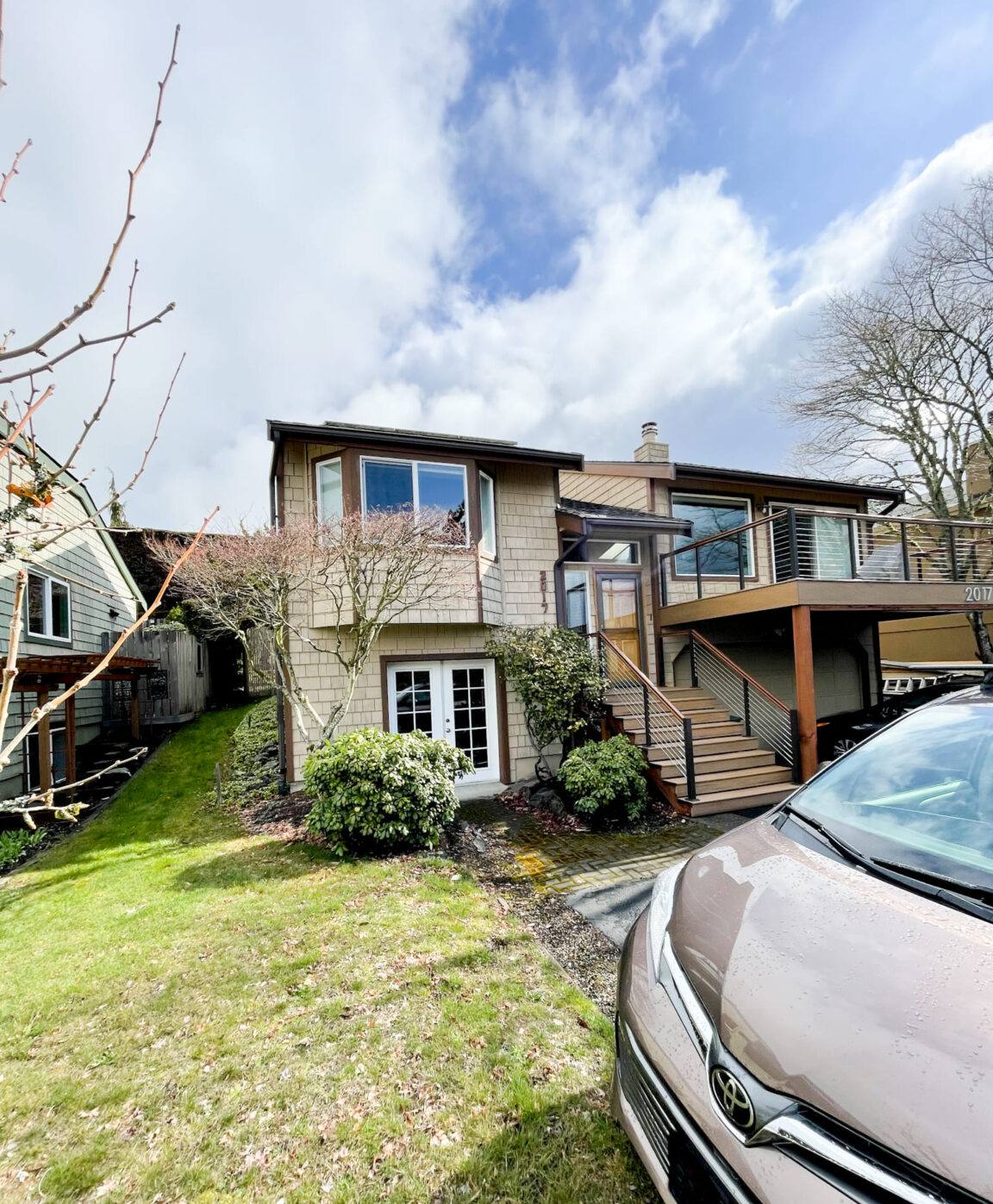
What the Local Climate Actually Does to a Window
Salt Air and Metal Fatigue
Proximity to salt water accelerates corrosion on anything metal — hinges, cranks, balance systems, and older aluminum frames. Salt air doesn't need to be a strong ocean breeze to matter; a steady low-level exposure over years is enough to pit hardware and cause hinges to seize or corrode through. Windows with exposed metal components in fixed, unprotected locations age faster here than the same product would inland.
Driving Rain and Air Pressure
Rain that comes in at an angle, pushed by wind off open water or exposed terrain, tests a window's weatherstripping and flashing detail far harder than a straight-down rain does. A window that's rated for a given water penetration resistance on paper can still leak around the frame if the rough opening wasn't flashed correctly during installation. This is one of the most common failure points we see on window replacements in this region — not the window itself, but the flashing and sealant work around it.
Moss, Shade, and Slow Drying
Properties with mature tree cover — common around Sudden Valley and the Alger area — stay shaded and damp longer after a storm than open lots do. That slower drying time means wood trim and sills around windows are wet more often, which is exactly the condition moss, mildew, and rot need to take hold. Window sills and trim in shaded spots need materials and detailing that tolerate sustained moisture, not just occasional rain.
What "Energy-Efficient" Should Actually Mean Here
Energy efficiency in a window comes down to the glass package, the frame material, and the installation — in that order of importance for this climate, though all three matter.
Glass Package
Double-pane glass with a low-E coating and argon gas fill is the practical baseline for this region. Low-E coatings reduce heat loss through the glass without darkening the room noticeably. Argon fill (a heavier, inert gas between the panes) slows heat transfer compared to plain air. Triple-pane glass adds another layer of insulation and can help with sound and comfort near roads, but it adds weight and cost, and on many Alger-area homes double-pane low-E argon glass hits the right balance of performance and value.
Frame Material
Vinyl frames dominate the replacement market for good reason: they don't rot, they don't need repainting, and modern multi-chamber vinyl frames insulate well. Fiberglass frames are more dimensionally stable across temperature swings and hold paint if you want a custom color, at a higher price point. Wood-clad windows look great but require real upkeep in a climate this wet — any breach in the cladding or finish becomes a moisture entry point that's easy to miss until the frame is already damaged underneath. We'll tell you honestly which frame material fits your home and your maintenance appetite rather than pushing whatever's easiest to sell.
Installation Detail
None of the above matters if the window isn't installed correctly. The rough opening needs proper flashing so water that gets behind the exterior cladding is directed back out, not into the wall. The window needs to be shimmed level, plumb, and square so the sash operates correctly and seals compress evenly. Sealant and backer rod need to be used correctly at the interior and exterior — not just caulk smeared around the trim. This is the step that separates a window that performs for twenty-five years from one that leaks within five.
Signs an Alger-Area Home Needs Window Work
- Visible condensation or fog between the panes (a failed seal — the argon or insulating air gap is gone)
- Wood trim or sills that feel soft, look discolored, or have visible mildew/moss growth
- Drafts you can feel near the frame on a windy, rainy day
- Windows that are hard to open, close, or lock — often a sign of frame swelling or hardware corrosion
- Noticeably higher heating costs compared to similar homes nearby
- Paint or finish peeling on wood-frame windows, especially on north- or shade-facing walls
- Water staining on interior drywall or trim below or beside a window after heavy rain
Comparing Frame Options for This Climate
| Frame Type | Moisture Tolerance | Maintenance | Typical Lifespan | Relative Cost |
|---|---|---|---|---|
| Vinyl (multi-chamber) | Excellent — won't rot | Low, occasional cleaning | 20-30 years | $ |
| Fiberglass | Excellent, very stable | Low | 30-40 years | $$$ |
| Wood-clad | Good if cladding stays intact | Moderate to high | 20-30 years with upkeep | $$-$$$ |
| Aluminum | Poor near salt air, prone to corrosion | Moderate | 15-25 years | $$ |
These are general trade-offs, not a guarantee for any specific product line — actual performance varies by manufacturer and how the unit is built. We'll walk through specific options and their warranty structures during your estimate.
How Our Window Process Works
1. On-Site Assessment
We look at the existing windows, the wall assembly where visible, and any signs of past water intrusion around the openings. This tells us whether we're doing a straightforward window swap or whether the rough opening needs repair before a new window goes in — something that's more common on older homes in shaded, damp locations.
2. Product Selection
We go over frame material, glass package, and grille or hardware style based on your home's exposure, your budget, and how much upkeep you want to take on. We're not tied to one brand and will explain what we recommend and why, including honest trade-offs.
3. Prep and Removal
Old windows are removed carefully to protect existing siding and trim. Any rot, soft framing, or damaged sheathing found at this stage gets flagged before we move forward — this is the point where hidden moisture damage from years of driving rain usually turns up.
4. Flashing and Installation
This is the step we won't shortcut. Proper flashing tape and drainage detailing at the sill and jambs, correct shimming, and appropriate sealant application are what keep wind-driven rain out of the wall long-term. It's also the step that's hardest to inspect after the fact, which is why it needs to be done right the first time.
5. Finish and Walkthrough
Interior and exterior trim is finished, the window is tested for smooth operation and a tight seal, and we walk the job with you before we consider it done.
What a Correct Job Involves — A Checklist
- Rough opening inspected and repaired if there's any rot or soft wood
- Weather-resistant barrier and flashing tape installed to shed water outward, not trap it
- Window shimmed level, plumb, and square before fastening
- Low-E, argon-filled glass appropriate to the home's exposure
- Frame material matched to the home's maintenance needs and moisture exposure
- Interior and exterior sealant applied correctly, with backer rod where needed
- Hardware and locks tested for smooth operation before the crew leaves
- Job site and surrounding siding/trim left clean and undamaged
Cost Factors Homeowners Should Know
Window replacement pricing varies with the number of openings, frame material, glass upgrades, and whether any rot repair is needed once the old window comes out. As a rough guide, straightforward vinyl replacements with standard low-E glass sit at the lower end of the range, fiberglass and larger custom sizes push costs up, and any hidden framing repair adds to the job once it's uncovered. We'll give you a clear, itemized estimate before work starts — no surprise add-ons buried in vague language.
Why Hiring a Crew That Already Works in Alger Matters
A contractor who regularly works homes around Sudden Valley and the Alger area already knows what this climate does to a building envelope. That's not a small thing. We know to check shaded, moss-prone sills more carefully. We know which older aluminum-frame windows in this region tend to have corroded hardware behind a fine-looking exterior. We know that flashing detail matters more here than it does in a drier climate, because driving rain will find any gap eventually. A crew unfamiliar with this specific mix of salt air, sustained rain, and shade won't necessarily know to look for those things — and window problems caused by a bad install often don't show up for a year or two, by which time the crew that did the work may be long gone.
We also stand behind the work with a clear scope and warranty terms explained up front, not buried in fine print. If something about the job needs a second look after installation, you're not chasing down a contractor who's moved on to the next region.
Maintaining Your Windows After Installation
Even a well-installed, energy-efficient window benefits from basic upkeep in this climate. Clear debris and moss from sills and tracks a couple of times a year, especially on shaded sides of the house. Check that weep holes (small drainage openings at the base of the frame) aren't blocked, since a blocked weep hole can trap water against the sill. Wipe down hardware occasionally if you're near salt air, and keep an eye on caulking at the trim — it's a five-minute check that catches small gaps before they become bigger moisture problems.
Get a Straightforward, No-Pressure Estimate
If your windows in the Alger area are drafty, fogged, hard to operate, or just old enough that you're wondering whether it's time, we're glad to take a look. We'll give you an honest read on what's actually needed — sometimes that's a full replacement, sometimes it's less — and a clear estimate with no pressure to decide on the spot. Use the form below to request your free estimate.