 Sudden Valley
 Window Replacement for Deming Homes
Deming sits inland from the water but still gets the full weather picture that defines this part of Whatcom County: long stretches of driving rain off the Sound, damp air that never fully dries out between storms, and a moss season that can run from October clear through April. Windows here don't fail because of one bad storm. They fail slowly, from years of moisture working into places it shouldn't be, and by the time you notice fogging glass or a soft sill, the damage usually goes deeper than the window itself.
We install replacement windows in Deming and the surrounding Sudden Valley area as part of our regular siding and exterior work, not as a side job we farm out. That matters because a window opening is only as good as the flashing and water management around it, and that's carpentry and siding work first, window work second.
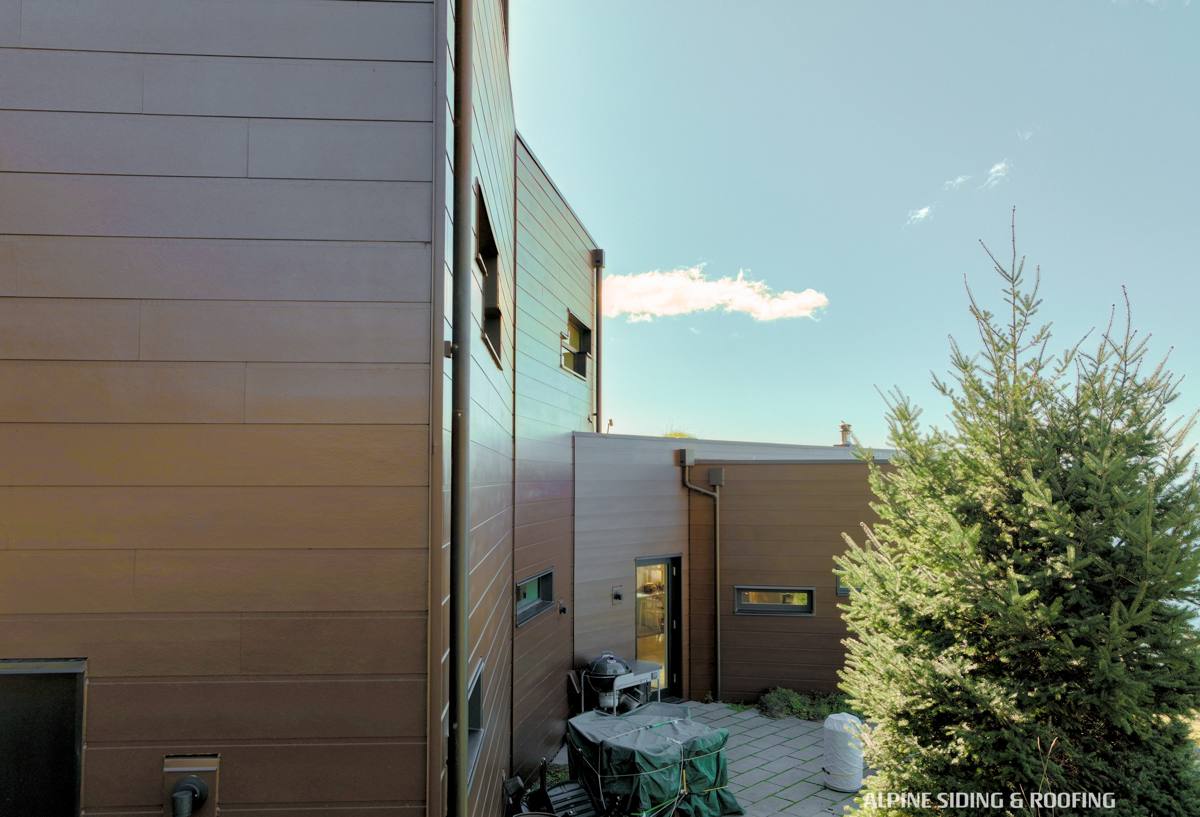
Why This Climate Wears Windows Out Faster
A few things stack up against windows in this part of Whatcom County:
- Persistent moisture: Wood-framed windows and even lower-grade vinyl units take on water at the corners and sill over time, especially on walls that face prevailing weather.
- Salt-tinged air: Even away from the immediate shoreline, salt air carried inland accelerates corrosion on hardware, screws, and metal flashing around window openings.
- Moss and organic buildup: Moss doesn't just grow on roofs. It collects in window tracks, sill corners, and anywhere water sits, holding moisture against the frame long after the rain has stopped.
- Temperature swings: Cold nights and milder days cause condensation on interior glass, which finds its way into seals and frame joints if a window's seal has already started to go.
None of this means windows in Deming need replacing constantly. It means the installation has to account for water management from day one, because there's very little margin for a sloppy job to "get away with it" here the way it might in a drier climate.
Signs a Deming Home Needs Window Replacement
Most homeowners call us after noticing one or two of these, not because they've done a full inspection:
- Fogging or a visible haze between panes on double- or triple-glazed windows — the seal has failed and the gas fill is gone
- Soft, spongy, or discolored wood at the sill or bottom corners of the frame
- Windows that are hard to open, close, or lock, especially after damp weather
- Visible gaps, drafts, or daylight around the frame when the window is shut
- Moss or dark streaking building up in the tracks or lower corners
- A noticeable jump in heating costs with no other explanation
- Paint or trim failing around the window opening faster than elsewhere on the house
Any one of these on its own isn't an emergency. Several together, or a window that's had one of these issues for more than a season, usually means the frame itself is compromised, not just the glass.
What Correct Window Replacement Actually Involves
It's Not Just Swapping the Sash
A lot of window problems in this region trace back to installs that treated the window as a standalone product rather than part of the wall's water management system. Done right, a window replacement includes:
- Removing the old unit and inspecting the rough opening for rot, soft framing, or existing water damage before anything new goes in
- Repairing or rebuilding any compromised framing — this is the step that gets skipped when a job is rushed, and it's the one that causes callbacks two winters later
- Installing proper flashing tape and a sloped sill pan so any water that does get behind the trim drains back out instead of pooling
- Setting the new window level, plumb, and square, then sealing and insulating the gap around the frame correctly — not just stuffed with fiberglass or foamed shut with no air gap
- Integrating the window flashing with the surrounding siding's water-resistive barrier, so the whole wall assembly sheds water as one system
- Finishing interior and exterior trim so the look matches the rest of the house
That flashing and sill pan step is the one most likely to get shortcut on a fast job, and it's also the one you can't see once the trim is back on. It's worth asking any contractor directly how they handle it.
Full-Frame Replacement vs. Insert Windows
There are two basic approaches, and the right one depends on the condition of the existing frame:
| Approach | Best for | Trade-offs |
|---|---|---|
| Insert (pocket) replacement | Frames that are still solid, dry, and square | Faster and less disruptive, but any hidden rot in the old frame stays hidden |
| Full-frame replacement | Homes with visible rot, water staining, or older wood-frame windows | More labor and cost, but lets us see and fix what's actually going on in the wall, which matters more here given the moisture exposure |
We'll tell you honestly which one your house needs after a look at the openings — not which one is easier for us to sell.
Choosing Windows for a Whatcom County Climate
Not every window sold at a big box store is built for this kind of sustained damp. A few things we weigh with homeowners:
| Factor | Why it matters here |
|---|---|
| Frame material | Vinyl and fiberglass resist moisture and corrosion far better than bare wood in a climate this damp; wood-clad options need diligent maintenance to hold up |
| Hardware finish | Corrosion-resistant hardware matters more this close to salt-influenced air than it does further inland |
| Glass package | Double-pane with a good low-E coating is standard here; triple-pane adds cost but pays off on north- and west-facing walls that take the worst of the weather |
| Drainage design | Look for frames with real weep holes and drainage channels, not just a flat sill that lets water sit |
| Warranty structure | A manufacturer warranty on the unit is only half the picture — ask what's covered on the installation itself |
We don't push a single brand as the only answer. We do steer away from products that rely on maintenance the average homeowner won't keep up with year after year, because in this climate a missed maintenance cycle shows up fast.
How Our Process Works
- On-site assessment: We look at every window being considered, check the framing condition where we can, and note anything unusual about that wall's exposure to wind and rain.
- Honest recommendation: We tell you which windows need full-frame replacement versus insert replacement, and why — including if a window doesn't actually need replacing yet.
- Clear estimate: Written pricing broken out by window, so you can phase the work if you don't want to do the whole house at once.
- Careful removal and prep: Old units come out cleanly, and any framing issues get addressed before the new window goes anywhere near the opening.
- Proper flashing and installation: Sill pan, flashing tape, and integration with the siding's water barrier, every time — not as an upsell.
- Trim and cleanup: Interior and exterior finish work matched to your home, site cleaned up, old windows hauled off.
- Walkthrough: We check operation, sealing, and appearance with you before we call it done.
What to Expect Cost-Wise
Window replacement pricing depends heavily on frame condition, window count, size, and whether it's insert or full-frame work. As a rough sense of scale, a single standard-size window replacement on a home with a sound frame typically runs in the low thousands, while full-frame replacement with framing repair costs more per opening. Whole-house projects benefit from bundled labor pricing. We don't quote firm numbers without seeing the openings, because a frame that looks fine from inside can hide rot that changes the scope entirely — and we'd rather tell you that upfront than after the wall's already open.
Why Hire a Crew That Already Works Deming
Window replacement here isn't the same job as it would be in a drier inland climate. A crew that works Sudden Valley and Deming regularly already knows:
- Which wall orientations on local homes take the worst weather and need the most attention to flashing detail
- How moss and organic buildup show up around window openings, and what that buildup usually means for the wood underneath
- That a "quick swap" install without proper sill pan flashing tends to fail here faster than it would somewhere drier — because we've been the ones called back to fix those jobs
- Local permitting and code requirements for window replacement in Whatcom County
We also handle the siding and trim around your windows, so if a wall needs both, it's one crew, one schedule, and one point of accountability instead of two contractors pointing at each other if something leaks later.
Simple Maintenance That Extends Window Life
Whatever windows you choose, a little upkeep goes a long way in this climate:
- Clear moss and debris from window tracks and sills at least once a season
- Check caulking around trim annually and re-seal any cracked or gapped sections before winter rains set in
- Wipe down hardware periodically if you're closer to salt-influenced air, to slow corrosion
- Watch for condensation buildup between panes — it's an early sign a seal is starting to fail, well before you'll notice a draft
If you're seeing drafts, fogged glass, or soft trim around your windows in Deming, we're happy to come take a look and give you a straight answer about what's actually needed — no pressure, no upsell. Fill out the form below for a free estimate.