 Sudden Valley
 Deck Building Built for the Columbia Area's Weather
Homes in the Columbia area near Sudden Valley face a specific combination of conditions that most generic deck-building advice doesn't address. Whatcom County sees long stretches of driving rain through fall and winter, salt-laden air moving in off the Sound, and a moss season that can stretch for months on any surface that stays shaded and damp. A deck built without those three factors in mind will show problems within a few years — soft spots, slick surfaces, corroded fasteners, and finishes that fail early. A deck built for this specific climate holds up the way it should for decades.
This page covers what a deck actually needs to survive and perform well for Columbia-area homeowners, what a correct build involves from the ground up, how our process works, and why it matters to hire a crew that already understands this specific stretch of Whatcom County rather than one that treats every region the same.
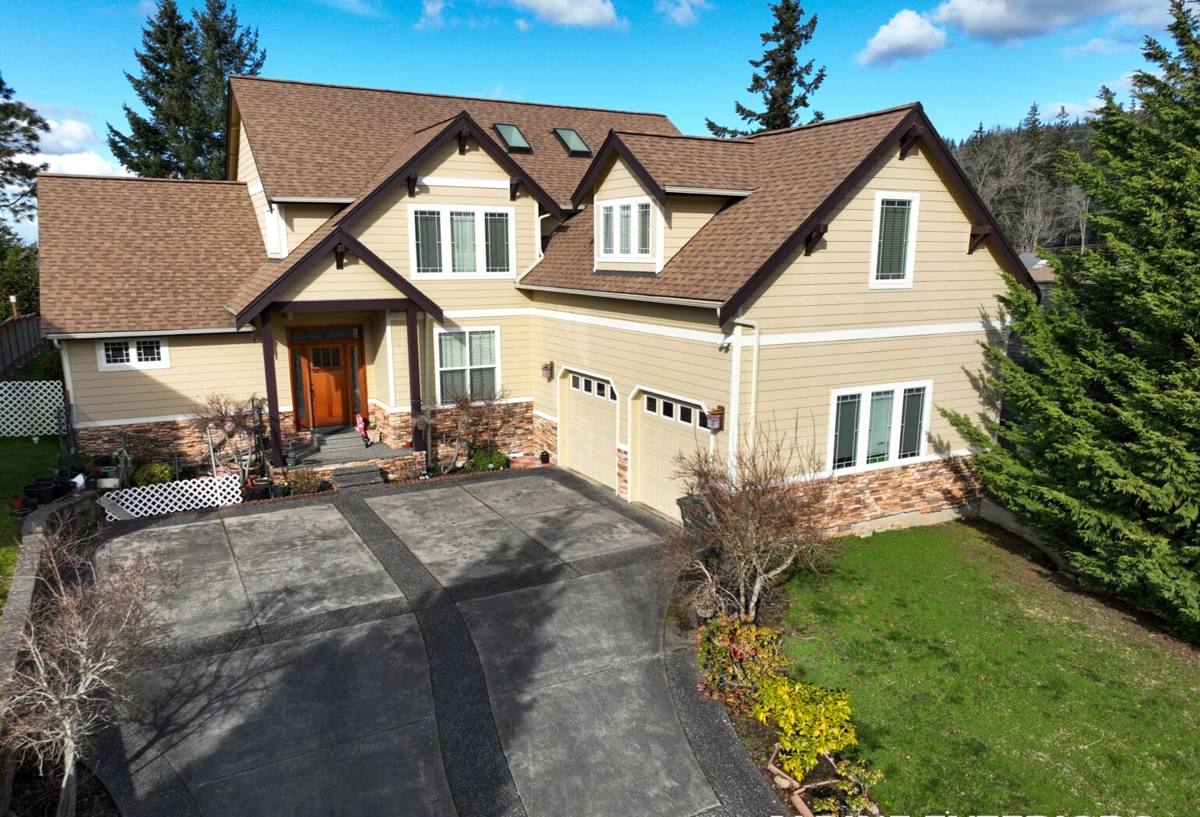
What Local Conditions Do to a Deck
Driving Rain and Standing Moisture
Rain here doesn't just fall straight down — wind-driven rain gets pushed sideways into ledger connections, under railing posts, and into any gap where end grain is exposed. Decking that isn't gapped and fastened correctly traps water between boards, which is where rot starts. Framing that isn't properly flashed at the house connection lets water track behind siding, which becomes a much bigger repair than the deck itself.
Moss and Algae Growth
Shaded decks, north-facing decks, and decks tucked under tree cover in the Columbia area can stay damp for weeks at a time in the off-season. That's exactly the environment moss and algae need to establish. Beyond looking bad, moss holds moisture against wood and composite surfaces and makes decking dangerously slick, especially on stairs.
Salt Air and Fastener Corrosion
Salt-carrying air accelerates corrosion on anything that isn't rated for it — cheap screws, uncoated hardware, and mismatched metal connectors. Corroding fasteners don't just stain the wood around them; they lose holding strength over time, which is a structural issue, not a cosmetic one.
UV and Temperature Swings
Summers bring real UV exposure even in a generally cloudy climate, and the freeze-thaw cycles of a Whatcom County winter stress any material that expands and contracts differently than what it's fastened to. Finishes and fasteners both need to tolerate that movement without cracking or loosening.
What a Correctly Built Deck Includes
A deck that's going to hold up here isn't about one special product — it's about getting a series of details right, most of which aren't visible once the project is finished.
- Proper ledger flashing: A continuous, correctly lapped flashing system where the deck meets the house, so water is directed out and away rather than behind the siding.
- Corrosion-rated hardware throughout: Structural screws, joist hangers, and post bases rated for the exposure this area sees, not just standard-grade fasteners.
- Correct board spacing and airflow: Decking gapped to shed water and framing designed to let air move underneath, so the structure can dry out between storms instead of staying saturated.
- Footings sized and set for local soil and frost conditions: Undersized or shallow footings are a common shortcut that shows up as a wobbly or settling deck within a few seasons.
- A finish or material matched to sun and shade exposure: A deck in full shade needs a different maintenance and material approach than one in open sun, even on the same house.
- Railing and stair connections built to code and to the wind and moisture load they'll actually see, not just the minimum that passes inspection.
Choosing Materials: Wood vs. Composite for This Climate
There's no single right answer here — it depends on how much upkeep a homeowner wants to do and how the deck sits relative to sun, shade, and moisture. We'll walk through the honest trade-offs rather than push one option.
| Factor | Pressure-Treated / Cedar | Composite Decking |
|---|---|---|
| Upfront cost | Lower | Higher |
| Maintenance | Needs periodic cleaning, sealing, and moss treatment | Lower maintenance, occasional washing |
| Moss resistance | Moss will still grow on shaded, damp boards; needs regular attention | More moss-resistant surface, but still needs cleaning in shaded spots |
| Appearance over time | Natural look; graying and weathering without maintenance | Consistent color; can fade slightly with UV exposure |
| Repair approach | Individual boards can be replaced easily | Board replacement is possible but color-matching aged material can be harder |
| Best fit | Homeowners comfortable with a maintenance routine, want a classic wood look | Homeowners who want to minimize upkeep long-term |
Whichever material a homeowner chooses, the framing, flashing, and fastener decisions underneath it matter more to long-term durability than the decking surface itself. We'll give a straight recommendation based on the specific spot on the property, sun exposure, and how the deck will be used — not a one-size answer.
Our Process for a Columbia-Area Deck Project
1. On-Site Assessment
We walk the property, look at sun and shade exposure, drainage patterns, existing structure if there's a deck to replace, and how the new deck ties into the house. This is where we catch issues like poor grading or existing moisture damage before they become surprises mid-project.
2. Design and Material Selection
We talk through layout, railing style, stairs, and material options in plain terms — including honest maintenance expectations for whatever's chosen. No pressure toward the most expensive option; we'll tell you what actually fits the site and how the home will be used.
3. Permitting
Deck projects in Whatcom County typically require a permit depending on size and height. We handle that process so the structure is inspected and documented correctly, which also matters for resale and insurance down the line.
4. Demolition and Prep (if replacing an existing deck)
We remove the old structure, inspect the ledger area and any framing that was hidden underneath, and address any rot or moisture damage we find before building new.
5. Framing and Flashing
This is where the durability decisions get made — ledger flashing, footing depth, joist spacing, and hardware selection all happen here, before anything visible goes on.
6. Decking, Railing, and Finish
Surface material goes down with correct spacing, railings are installed to code, and any finish or sealant is applied per manufacturer spec for this climate.
7. Final Walkthrough
We walk the finished deck with the homeowner, cover basic maintenance — including moss prevention — and make sure everything meets expectations before calling the job done.
Maintenance That Actually Matters Here
A well-built deck still needs some seasonal attention in this climate. This isn't a sales pitch for a maintenance contract — it's what actually extends the life of the structure.
- Sweep debris off the deck regularly, especially in fall when leaves and needles trap moisture against the surface.
- Address moss as soon as it appears rather than letting it establish — it's far easier to remove early.
- Check railing posts and stair connections annually for any looseness, which can signal fastener corrosion or wood movement.
- Keep gutters and downspouts near the deck clear so water isn't dumping directly onto or under the structure.
- Reseal wood decking on the manufacturer's recommended schedule; don't wait until it's visibly gray and dry.
- Trim back overhanging branches to reduce shade and debris buildup, which cuts down on moss significantly.
Why Hire a Crew That Already Works the Columbia Area
A crew that regularly builds decks in and around Sudden Valley already knows how the local permitting process works, what footing depths hold up in the soil conditions here, and which details actually matter for this specific mix of rain, moss, and salt exposure. That's different from a contractor working from generic national guidance who's building the same deck they'd build somewhere with a completely different climate. Local experience shows up in the parts of the deck you never see — the flashing, the fasteners, the drainage — which is exactly where problems start when they're skipped.
Signs an Older Deck Needs Attention
If you have an existing deck in the Columbia area, a few warning signs are worth acting on before they become bigger repairs:
- Soft or spongy spots underfoot, especially near the house connection
- Visible rust streaks or corrosion around fasteners
- Persistent moss or algae that comes back quickly after cleaning
- Railings or stair posts that feel loose or wobbly
- Gaps opening up between decking boards or boards that are cupping
- Any staining on the siding directly above where the deck attaches
Any of these can indicate moisture has already gotten into the structure, and catching it early is almost always less costly than waiting.
Get a Free, No-Pressure Estimate
Whether you're planning a new deck or need an honest look at whether an existing one is holding up, we're glad to come take a look and walk you through what we'd recommend for your specific property. Use the form below to request a free estimate — no pressure, just a straight assessment.