 Sudden Valley
 Why Fairhaven's Exterior Walls Take More Punishment Than Most
Homes in and around Fairhaven sit close enough to open water and marine weather patterns that the exterior envelope works harder here than it does a few miles inland. Salt-laden air corrodes fasteners and finishes faster, wind-driven rain gets pushed sideways into laps and seams that would stay dry in a calmer climate, and the long, damp Whatcom County stretch from fall through spring keeps siding surfaces wet for days at a time. That combination — salt, driving rain, and a moss season that can run half the year — is exactly what wears out the wrong siding material and exactly what fiber cement was engineered to handle.
We install James Hardie fiber cement siding exclusively, and this page is about what that means specifically for a Fairhaven home: what the climate demands, what a correct installation actually involves, and why a crew's local experience matters as much as the product itself.
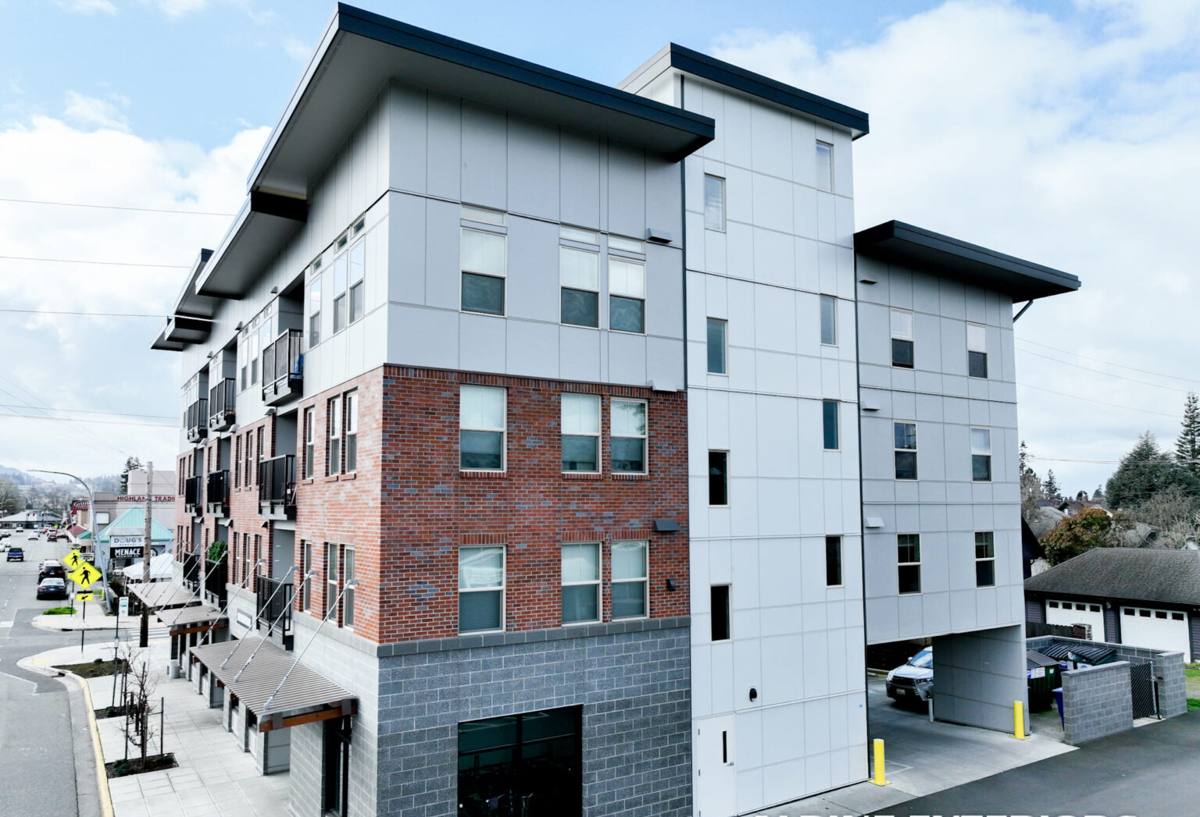
What Salt Air, Driving Rain, and Moss Season Actually Do to Siding
Salt Air
Airborne salt is corrosive to metal and abrasive to painted surfaces over time. Fasteners, flashing, and trim hardware that aren't rated for coastal exposure can start failing years before an inland installation would show the same wear. It also accelerates the breakdown of lower-grade paint films, which is part of why factory-applied, baked-on finishes hold up so much better than field-painted ones in this kind of air.
Driving Rain
Wind-driven rain doesn't fall straight down — it gets forced sideways and upward into laps, corner joints, window and door penetrations, and anywhere a siding system relies on gravity alone to shed water. A siding material that swells, wicks, or delaminates when it stays wet is a liability in this pattern. The material matters, but so does the water-management detailing behind it — house wrap, flashing, and drainage gaps that give any water that gets past the surface somewhere to go.
Moss and Prolonged Dampness
Western Washington's shaded, damp conditions grow moss and algae on almost any exterior surface that stays wet and doesn't get much direct sun — north-facing walls, areas under overhangs, and spots close to mature trees are the usual trouble spots. Moss itself doesn't destroy fiber cement, but it holds moisture against the surface longer than bare siding would see otherwise, and on materials that are moisture-sensitive to begin with, that extended dampness is where problems start.
Why Fiber Cement Is the Right Match for This Climate
James Hardie fiber cement is a blend of cement, sand, and cellulose fiber, fully cured before it ever reaches a jobsite. That composition is inherently dimensionally stable — it doesn't absorb and swell with moisture the way wood-based products can, and it doesn't rely on a plastic skin to keep water out the way vinyl does. For a marine climate with this much sustained dampness, that stability is the whole point: siding that isn't fighting moisture on a normal basis is siding that isn't slowly degrading every wet season.
Hardie's ColorPlus finish is baked on and cured at the factory rather than applied on site, which gives it better fade and wear resistance than field-applied paint — a meaningful advantage where salt air and UV exposure both take a toll on finishes. It's also non-combustible, which matters increasingly in Washington regardless of coastal exposure. And Hardie engineers regional HZ5 product lines specifically for climates like the Pacific Northwest, which is the version we install here — it isn't a generic national product applied without regard to local conditions.
Material Comparison for a Fairhaven Exterior
| Material | Moisture Behavior | Salt Air / Coastal Durability | Moss & Algae Resistance | Finish Longevity |
|---|---|---|---|---|
| James Hardie fiber cement | Dimensionally stable, doesn't swell or rot | Strong when installed with corrosion-resistant fasteners and trim | Resists surface breakdown; moss can be washed off without damaging the material | Factory-cured ColorPlus finish, long-term color retention |
| Vinyl siding | Can warp, buckle, or crack under temperature swings and impact | Fasteners and trim hardware often corrode faster in salt air | Moss grows readily; panels can trap moisture behind them | Color is baked into the material but fades and chalks over time; can't be effectively repainted |
| Cedar / primed spruce | Absorbs moisture, prone to swelling, cupping, and rot at end grain | Salt air accelerates weathering and finish breakdown | Highly susceptible; damp wood is the ideal moss substrate | Requires ongoing repainting/staining, typically every few years |
| LP SmartSide (engineered wood) | Treated to resist moisture, but still wood-based and edge-sensitive if not sealed and maintained | Reasonable, but installation and caulking sensitivity is higher | Better than raw wood, but still more moisture-sensitive than fiber cement | Field or factory finish depending on product; needs consistent caulk/paint upkeep |
This isn't a claim that the alternatives are bad products across the board — it's why, specifically in a driving-rain, salt-air, high-moss climate like this one, we standardized on fiber cement rather than installing all of the above.
What a Correct Fiber Cement Installation Involves
The material only performs as well as the installation behind it. In a climate that pushes water sideways, the details matter more than they would somewhere drier. A correct job includes:
- A continuous, properly lapped weather-resistant barrier behind the siding, with all seams taped or sealed
- Correct flashing at every window, door, and roof-to-wall transition, integrated with the weather barrier rather than just caulked over it
- A drainage gap or rainscreen strategy that lets any water that gets behind the cladding drain and dry out instead of sitting against the sheathing
- Fasteners rated for the exposure — corrosion-resistant, correctly spaced, and driven to Hardie's specification rather than overdriven or underdriven
- Manufacturer-specified clearances at grade, roofing, decks, and other transitions, so siding isn't sitting in standing water or constant splash-back
- Caulking only where Hardie's install guide calls for it — not as a substitute for correct flashing and laps
Every one of those steps is spelled out in James Hardie's installation manual, and skipping or shortcutting any of them is how a good product ends up with a bad reputation. It's also why we don't treat installation as a formality — it's the difference between siding that handles this climate for decades and siding that develops problems in five to ten years despite being the right material.
Our Process, Start to Finish
1. Assessment and Estimate
We walk the exterior, check the condition of the existing siding, sheathing, and water-management details, and talk through what your home actually needs before we talk about product.
2. Detailed, Written Proposal
You get a clear scope — product line, color, trim details, and what's included — so there's no ambiguity about what's being installed and how.
3. Prep and Water Management
Before a single piece of siding goes up, we address the weather barrier, flashing, and drainage strategy. This is the step that determines how the job performs in ten years, not just how it looks on day one.
4. Installation to Hardie Specification
Fastening, spacing, clearances, and joint treatment are all installed to manufacturer spec — not "close enough." This is also what keeps the manufacturer's warranty intact if you ever need it.
5. Final Walkthrough
We review the finished work with you directly, including care and maintenance basics specific to this climate.
Living With Fiber Cement Siding in a Moss-Prone Climate
Fiber cement is low-maintenance compared to wood, but "low-maintenance" doesn't mean "no maintenance" in Whatcom County's climate. A little seasonal attention keeps it performing and looking right for the long haul.
- Rinse siding once or twice a year with a garden hose to clear off pollen, dust, and early moss growth — a pressure washer isn't necessary and can damage caulk lines and finishes if used incorrectly
- Keep gutters clear so overflow doesn't run down and saturate siding sections repeatedly
- Trim back vegetation and tree limbs that shade a wall and keep it damp longer than the surrounding exterior
- Check and refresh caulking at trim and penetration points every few years, as with any exterior
- Address any moss buildup on north-facing or shaded walls before it becomes thick enough to hold water against the surface long-term
None of this is unusual maintenance — it's the same basic upkeep most exteriors in this climate need. The difference is that fiber cement tolerates a lapse in that upkeep far better than wood or engineered wood products do.
Cost Factors for a Fairhaven Project
| Factor | Why It Affects Cost |
|---|---|
| Existing siding removal | Tear-off, disposal, and any sheathing repair found underneath add labor and material cost |
| Water-management upgrades | Bringing an older wall assembly up to current weather-barrier and flashing standards is an investment that pays off in this climate |
| Product line and profile | Lap width, panel vs. plank systems, and trim details vary in material cost and install time |
| Color and finish | Factory ColorPlus finishes cost more upfront than primed products but eliminate a repaint cycle |
| Home complexity | Roof lines, dormers, multiple stories, and trim detail all affect labor time |
We don't publish blanket per-square-foot pricing because these variables genuinely change the number — but we'll walk your home and give you a real, itemized estimate rather than a vague range.
Why Local Experience Matters as Much as the Product
Fairhaven and the surrounding Sudden Valley area have their own microclimate quirks — how much a given wall is exposed to wind-driven rain off the water, how shaded a north side stays through the wet months, how much salt exposure a home actually sees depending on its position and elevation. A crew that already works in this area brings that context into the estimate and the install plan instead of applying a one-size-fits-all approach. That local familiarity, paired with a single-manufacturer standard we install to spec every time, is what keeps siding performing the way it's supposed to for decades rather than years.
If you're weighing options for your Fairhaven home, we're happy to walk the exterior with you, look at what your current siding and water-management details are doing, and give you a straightforward, no-pressure estimate for a James Hardie fiber cement installation built for this specific climate — just fill out the form below.