 Sudden Valley
 Window Installation for South Hill Homes
South Hill sits up in the terrain around Sudden Valley, which means homes here take weather differently than houses down closer to the lake or in town. Elevation and exposure change how wind-driven rain hits a house, how much direct sun a window gets in summer, and how long moisture sits on north-facing walls before it dries out. If you've owned a home up here for more than a few years, you've probably already noticed that windows on the weather-facing side of the house age faster than the ones tucked out of the wind.
We install windows across Sudden Valley and the surrounding Whatcom County hillside areas, and South Hill has its own quirks we've learned to plan around. This page covers what actually matters for a window installation done right in this specific pocket of the county — not a generic rundown of window types.
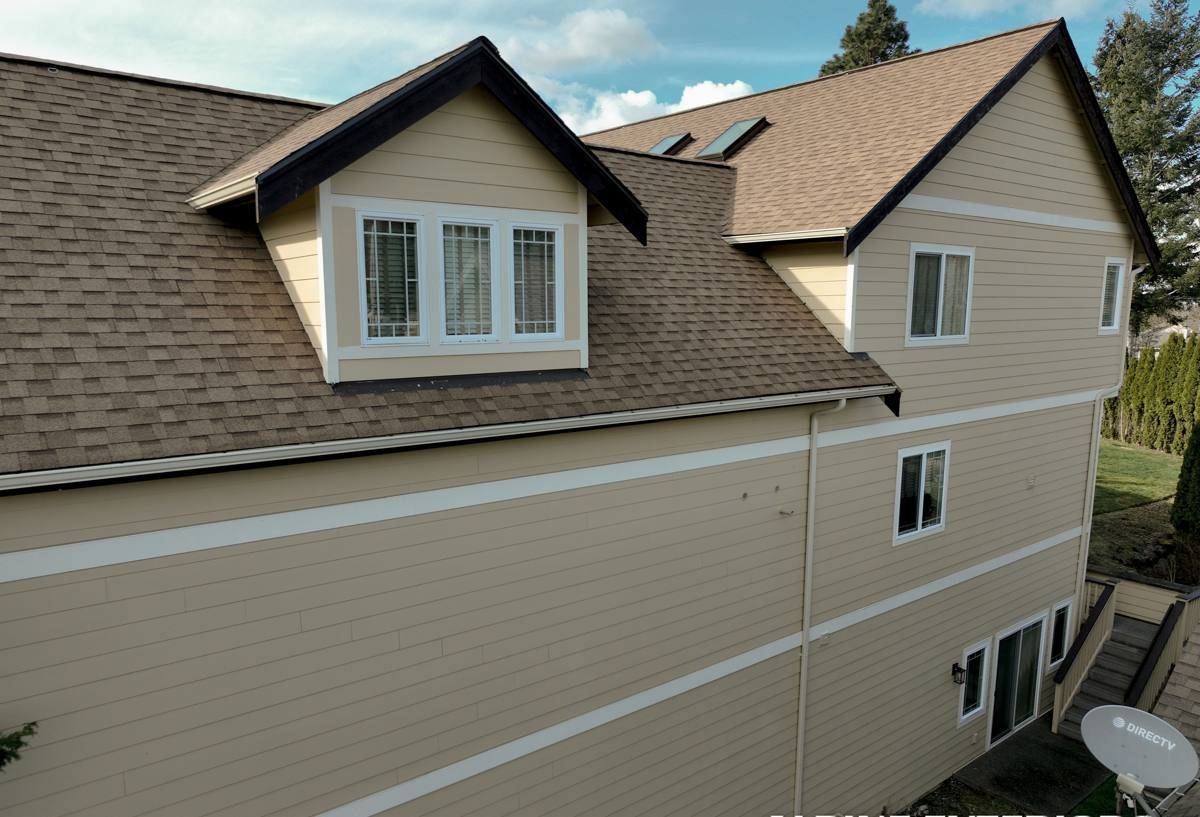
What This Climate Does to Windows
Three things drive most of the window problems we see on service calls in this area: salt-influenced marine air, driving rain that hits windows at an angle instead of straight down, and a moss season that runs long and damp for much of the year.
Salt Air and Metal Components
Being close to Puget Sound air currents means hardware, screens, and unprotected metal trim corrode faster here than they would further inland. Cheap window hardware — hinges, cranks, locking mechanisms — shows pitting and stiffness years before it should. This is one of the reasons we pay attention to hardware quality, not just glass and frame, when we spec a window for this area.
Wind-Driven Rain
Rain that comes in sideways finds every weak point in a window's seal. A window that would perform fine in a calm-rain climate can leak here if the flashing detail or sill pan isn't built for lateral water pressure. Most of the water intrusion problems we find on older homes trace back to installation shortcuts, not bad windows — the window itself is often fine, but the flashing behind the trim was never done correctly.
Moss and Prolonged Moisture
Whatcom County's damp season stretches long, and shaded or north-facing walls on wooded lots stay wet for extended stretches. Moss and algae don't just look bad on siding — around windows, sustained moisture against wood trim or poorly sealed frames accelerates rot, especially at the bottom corners of the window where water naturally collects.
Signs a South Hill Home Needs New Windows
Not every old window needs replacing, and not every drafty room means the window is the problem. Here's what we actually look for before recommending replacement:
- Visible fogging or a permanent haze between panes — the seal on a double-pane unit has failed
- Soft or discolored wood trim at the bottom corners of the window, a common rot pattern in this climate
- Windows that are difficult to open, close, or lock — often corroded or swollen hardware
- Noticeable draft or cold spots near the window frame during windy weather
- Condensation forming on the inside of the glass regularly, especially in winter
- Visible daylight or gaps around the frame when the window is closed
- Paint or finish that's peeling specifically around the window opening, not the wall in general
If you're only seeing one or two of these, a repair or re-caulk may solve it. If you're seeing several, especially rot at the sill, replacement is usually the more honest answer than another repair.
What a Correct Installation Actually Involves
The window itself is maybe a third of what determines whether an installation holds up here. The rest is in the details most homeowners never see once the trim goes back on.
Flashing and Water Management
Every opening needs a proper drainage path — flashing tape or a sill pan that directs any water that gets behind the trim back out, not into the wall cavity. This is the single most important step for driving-rain performance, and it's the step that gets skipped most often on rushed jobs.
Air Sealing Without Trapping Moisture
The gap between the window frame and the rough opening needs to be sealed for air and insulated, but not packed in a way that traps moisture against the wood. We use low-expansion foam or backer rod and sealant designed for this, not whatever spray foam happens to be on the truck.
Fastening and Structural Fit
A window has to be shimmed level, plumb, and square before it's fastened — an out-of-square install stresses the frame, which shortens the life of the seals and can cause the sash to bind. This takes time to do right, which is part of why a careful install costs more in labor than a fast one.
Exterior Trim and Finish
Trim and caulking are the last line of defense against wind-driven rain. We match trim details to what the house already has where possible, and we use exterior-grade sealants rated for this kind of sustained damp exposure, not a bargain caulk that will crack within a couple of seasons.
Choosing the Right Window for This Climate
There's no single "best" window — the right choice depends on the wall's exposure, your budget, and how much maintenance you want to take on. Here's how the common options compare for a home in this kind of climate:
| Frame Material | Moisture Behavior | Maintenance | Notes for This Climate |
|---|---|---|---|
| Vinyl | Doesn't rot or corrode | Low | Good value; quality varies a lot between manufacturers |
| Fiberglass | Very stable, resists moisture well | Low | Handles temperature swings and damp exposure well; higher upfront cost |
| Aluminum | Corrosion risk in salt-influenced air without proper coating | Moderate | We're selective about aluminum here specifically because of the marine air |
| Wood (clad exterior) | Good if the exterior cladding is intact; interior wood needs protection | Higher | Attractive option but demands more upkeep in a long wet season |
For most South Hill homes we lean toward vinyl or fiberglass on weather-exposed walls, simply because they hold up with the least maintenance in this level of moisture and salt exposure. That's our professional standard based on how these materials perform over time here — not a knock on wood or aluminum windows in general, which can work fine in the right application and with the right upkeep.
Our Process
- On-site assessment — we look at each opening individually, since exposure can vary window to window on the same house
- Honest recommendation — replacement where it's warranted, repair where it isn't
- Written estimate — clear pricing, no surprise add-ons once work starts
- Removal and prep — old window and trim removed, opening inspected for hidden rot or damage before anything new goes in
- Flashing and installation — proper drainage path built before the window is set
- Sealing, insulating, and trim — finished to match the home and hold up to driving rain
- Final walkthrough — we check operation, seals, and finish with you before calling the job done
Cost Factors
Every project is different, but these are the main variables that move the price of a window installation up or down:
| Factor | Why It Matters |
|---|---|
| Frame material and glass package | Fiberglass and upgraded glass packages cost more than standard vinyl |
| Number of openings | Per-window cost typically drops on larger multi-window projects |
| Existing rot or hidden damage | Repairing framing found once trim comes off adds labor and material |
| Access and elevation | Upper-story or hard-to-reach openings take more time and equipment |
| Trim and finish complexity | Matching custom trim profiles takes more labor than standard trim |
We give real, project-specific numbers after seeing the openings in person — we don't quote sight unseen, because hidden rot behind old trim is common enough here that a guess isn't fair to you or to us.
Why a Crew That Already Works South Hill Matters
A window installer who mostly works drier, calmer regions of the state may not build in the same margin for wind-driven rain or plan for the moss and moisture patterns specific to this part of Whatcom County. We work in Sudden Valley and the surrounding hillside neighborhoods regularly, so the flashing details, sealant choices, and hardware recommendations on this page aren't theoretical — they're what we've found actually holds up here over years, not just through one dry summer.
That local familiarity also means we're not guessing at how a particular wall orientation or lot's tree cover affects a specific opening. We've seen enough South Hill homes to know which walls need the most attention before we ever get a ladder out.
Get a Free, No-Pressure Estimate
If you're dealing with drafty, foggy, or hard-to-operate windows on your South Hill home, we're happy to take a look and give you an honest read on what's actually needed — replacement, repair, or nothing at all. Fill out the form below to schedule a free estimate.